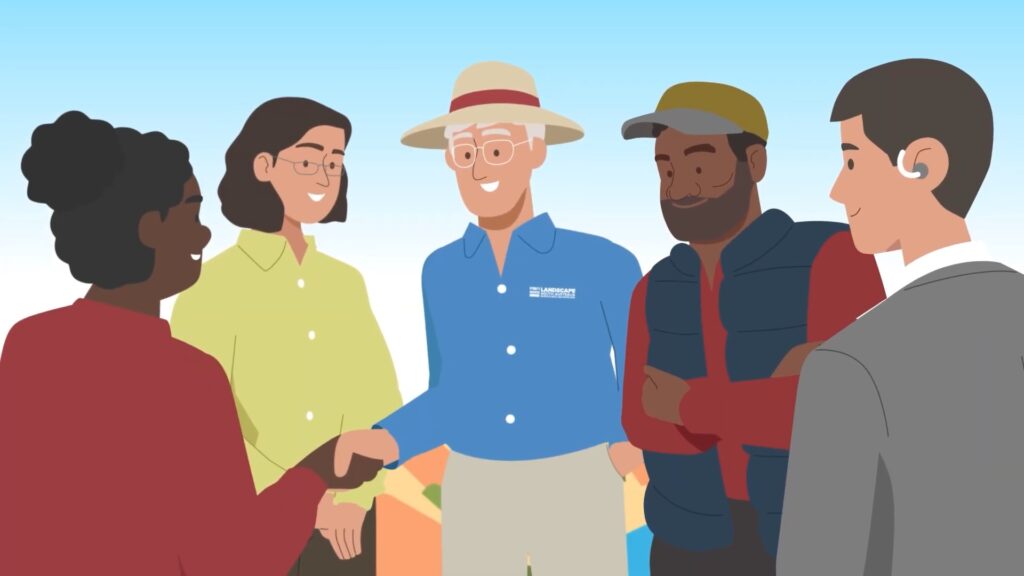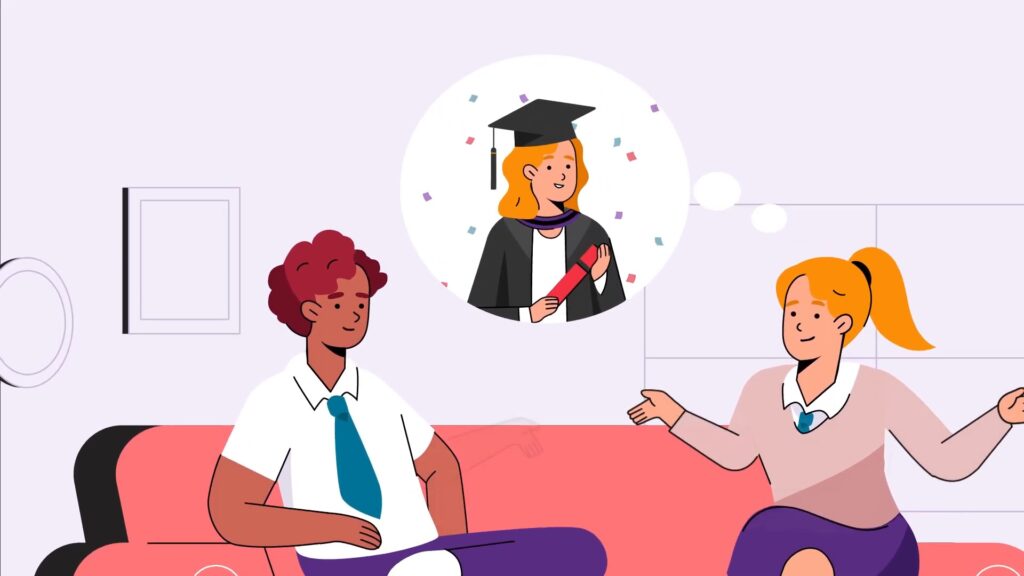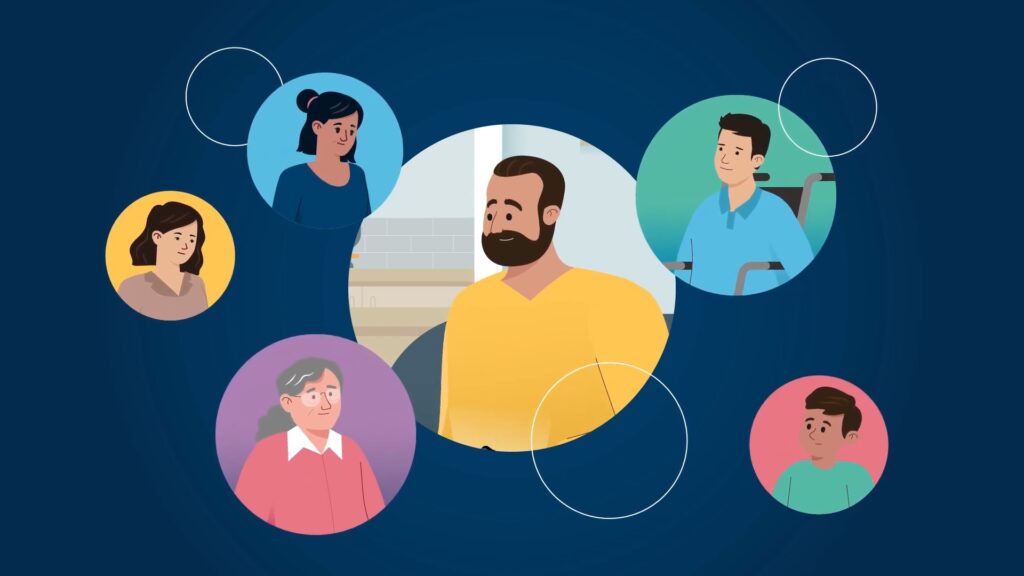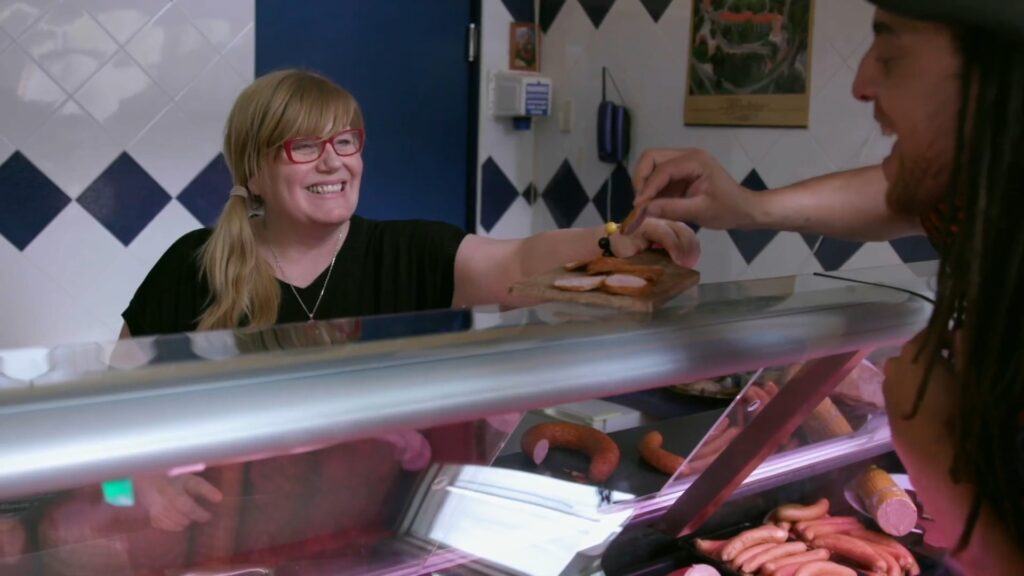
An animated training video is a short, scripted video that uses illustration, motion graphics and voiceover to teach staff a procedure, a system, a safety protocol or a set of workplace behaviours. It is built to close the distance between someone completing a module and that person doing the job differently the next day.
Safety training is where that gap is easiest to count. Safe Work Australia’s Key Work Health and Safety Statistics Australia 2025 recorded 188 workers killed at work in 2024 and 146,700 serious workers’ compensation claims in 2023-24, more than 400 every day. Staff are also clear about how they prefer to learn, as the TechSmith 2024 Video Viewer Trends Report found 83% of people would rather watch a video than read or listen to instructional content.
This post brings together seven animated training videos we have produced, and three widely referenced pieces from other organisations, including the most famous animated safety message Australia has made. It is written for L&D managers, HR leads, WHS advisers and internal communications teams who need training that staff will finish, understand and apply.
Types of Animated Training Video
The nine examples in this post fall into four categories, and the category shapes the length, the tone, how much scenario work the script needs, and where the video ends up.
1. Safety and compliance
Videos that teach a protocol people must follow to stay safe or stay within the law. The content is usually non-negotiable, so the creative job is making mandatory steps memorable without sounding like a policy document read aloud. Scenario-based scripting helps, because viewers remember what to do once they have seen it happen.
2. Process and role guidance
Videos that explain how a process works or what a role involves, often for managers, case workers or carers. They frequently have to correct something people think they already understand, so the script needs to name the misconception before teaching the right approach.
3. Systems and change adoption
Videos that support the rollout of a new system, platform or digital tool. Half the job is practical (what has changed, where to click) and half is persuasion (why the change is worth the disruption). Getting that balance right starts with knowing where resistance sits, which is where a communication audit earns its keep.
4. Workplace culture and behaviour
Videos that shift how people treat each other at work. These are the most sensitive to tone, because staff switch off the moment the content feels like a lecture. Audience analysis before scripting helps pitch the message at people’s real experience rather than an HR ideal.
9 Best Animated Training Video Examples
1. Northrop Grumman Australia
Northrop Grumman Australia is the local arm of the global defence and aerospace company, with teams who handle hazardous chemicals as part of their work. Chemical safety training has a specific problem. The rules are detailed, the consequences of getting them wrong can be immediate or take years to appear, and most of the critical information sits in Safety Data Sheets that few people read end to end. The training needed to turn a dense compliance framework into something staff could use on the job.
The animated training video we produced works through chemical safety in the order a worker meets it. It opens on how chemicals behave once released, with some gases rising and heavier vapours sinking to pool in pits and corners, then covers the main routes of entry into the body and the difference between acute and chronic effects, using chlorine gas and asbestos as contrasting examples. From there it introduces the nine GHS hazard pictograms and what every Safety Data Sheet tells you.
We produced this for Northrop Grumman Australia as a chemical safety training resource for its workforce, directing staff to the company’s chemical management system and hazard reporting process.
2. Service Stream
Service Stream is an Australian utility services contractor whose meter readers enter thousands of properties every week, many of them with dogs. They developed the DOGSAFE protocol, a step-by-step approach for assessing and managing dog-related risk on site. The training had to land with a culturally and linguistically diverse field workforce, including workers who do not speak English as a first language.
The five-minute animated training video we produced balances a serious safety message with character-driven humour. The visual style is bright and lively, closer to children’s television than a standard safety induction, which holds attention and lets the scenarios do the teaching without leaning on dense narration. The script, built from scenarios Service Stream supplied, follows the situations meter readers actually encounter and shows each step of the DOGSAFE acronym in action, so the protocol is seen working rather than listed on screen.
We produced this for Service Stream as the core of its DOGSAFE training rollout, with field staff completing a learning assessment after viewing.
3. Metro Trains Melbourne
Metro Trains Melbourne runs Melbourne’s metropolitan rail network. In 2012, working with agency McCann Melbourne, it set out to reduce preventable deaths and accidents around trains among young Melburnians.
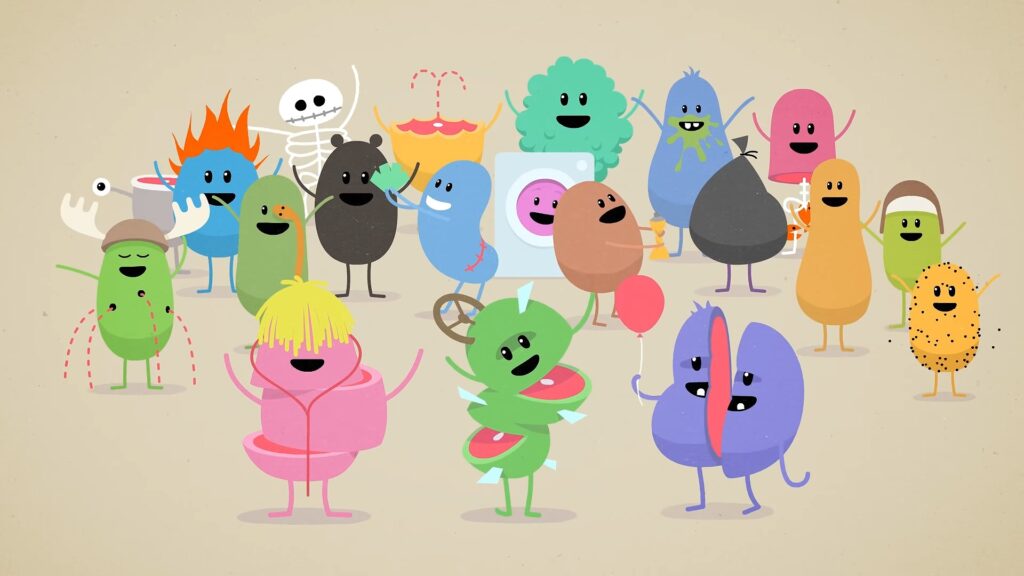
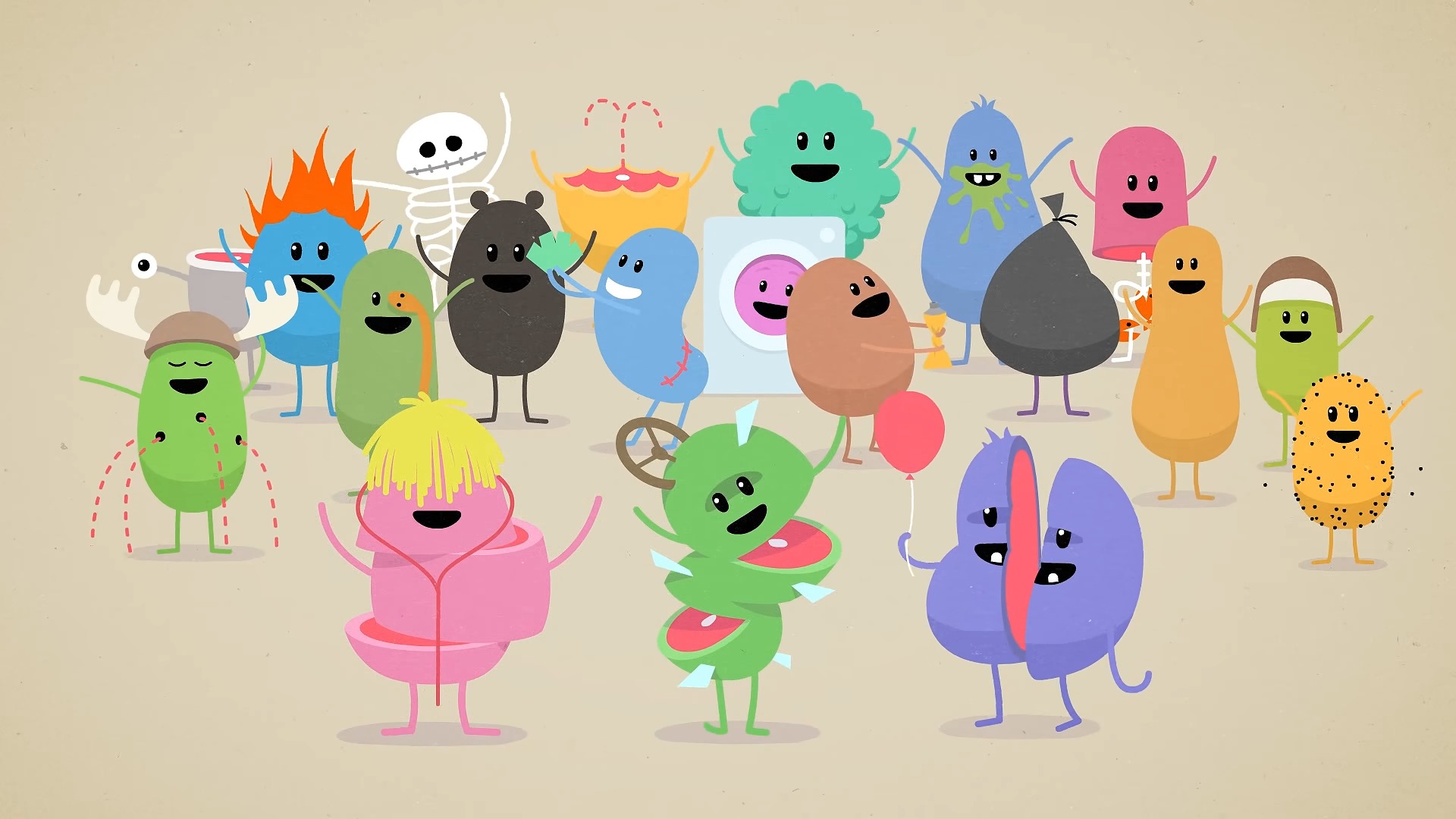
Released in November 2012, the three-minute animated music video features a cast of cute, blob-like characters dying in increasingly absurd ways, before the final three are killed through unsafe behaviour around trains. Animation let the video show deaths that could never be aired as live action, and the cartoon style turned a grim message into something people chose to watch and share. It is public safety education rather than workplace training, but it remains the clearest Australian case of an animated safety message shifting behaviour at scale, which is why WHS and L&D teams still reference it.
The campaign ran across YouTube, radio, outdoor and the Metro network, and was later extended into a mobile game. Metro reported near misses fell from 13.29 per million kilometres in November 2011 to January 2012, to 9.17 for the same period a year later.
4. EML
EML is a specialist personal injury claims management business that supports employers and injured workers across Australia. Keeping a recovering worker connected to the workplace through suitable duties is central to a safe return, but many employers are unsure how to identify those duties or document them properly.
The animated training video we produced sets out the practical steps for assessing a worker’s capacity in collaboration with treating doctors and managers. Clean motion graphics show how duties should be matched to the individual’s skills and experience, so the work stays meaningful during recovery. The script takes a workers compensation process usually explained through forms and legislation, and turns it into a sequence an employer can follow, finishing with how to document a formal return to work plan.
We produced this for EML as a resource for its case managers and their employer clients, supporting safe and sustainable return to work outcomes.
5. Life Without Barriers
Life Without Barriers is a social purpose organisation providing foster care, disability support and community services across Australia. Supervision is central to how its staff and carers work, but it is often misunderstood. Some see it as micro-management, rather than what it is designed to be: a supportive, reflective process that leads to better outcomes for children, young people and families in a highly regulated system.
The animated training video we produced reframes supervision as a relationship-based resource rather than an oversight mechanism. Warm character illustrations, clean icons and scenario layouts separate formal scheduled sessions from the informal conversations that happen day to day, so viewers can see that both count. The script grounds the concept in care principles staff already work by, and makes the case that continuous learning and critical reflection make support teams stronger.
We produced this for Life Without Barriers as an onboarding and professional development resource, deployed across the organisation’s intranet and staff onboarding tracks.
6. Western Sydney Local Health District
Western Sydney Local Health District (WSLHD), working with the NSW Ministry of Health, engaged us to support the rollout of the Single Digital Patient Record across its facilities. The change affects how clinicians, staff and managers access and update patient information every day. The brief called for a clear, reassuring explanation that would drive adoption and reduce resistance to the new system.
We produced a series of character animations that walk staff through why the change is happening, what it means for their daily workflow, and how it benefits patient care. Leading with the rationale before the workflow was deliberate: staff who understand why a system is changing are more willing to learn how it works.
We produced this series for WSLHD for use in internal communications, change management rollouts and training sessions across the district. Services included scripting, character animation, motion graphics and voiceover, and the work sits within our broader health and aged care portfolio.
7. NSW Department of Planning and Environment
The NSW Department of Planning and Environment managed natural resources, urban growth and environmental sustainability for the state. It needed a training video for its digital Map Viewer, a spatial data tool that lets users view and work with regional map layers.
The training video we produced combines bright flat vector animation with screen recordings of the Map Viewer interface. The animation frames each task, then the screen recording shows exactly where to click, so viewers learn the logic of the tool alongside the mechanics. A professional Australian voiceover takes viewers step by step through zoom functions and spatial identification tools.
We produced this for the department as a tutorial resource, deployed through its learning platforms and regional user portals.
8. ReachOut Australia
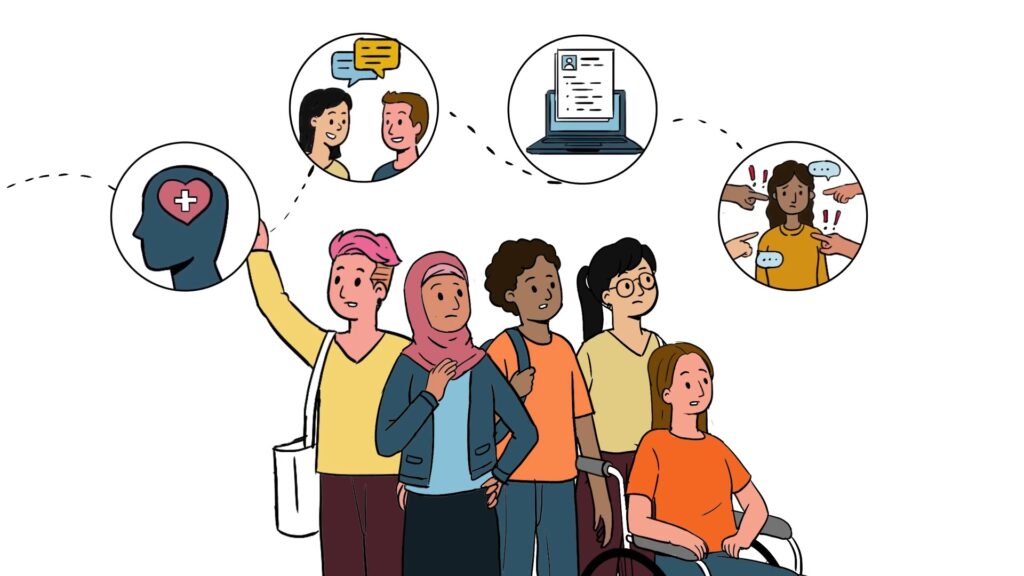
ReachOut Australia is a national youth mental health service, and workplace bullying is one of the topics it covers for young people starting work. For a first-time worker, bullying is hard to name. It can be subtle, it often comes from someone more senior, and the options for dealing with it are rarely explained in an induction.
The video sets out practical steps for a young person experiencing bullying at work, such as checking the workplace policy, talking to a trusted person, manager, supervisor or HR, raising it directly with the person involved, and going to the police if the bullying is threatening. Keeping it to a short sequence of clear actions means the video works as preparation rather than a lecture, which matters for an audience that has not yet faced the situation.
ReachOut uses the video in its schools careers program as a five-minute classroom activity for Years 9 to 12, with students taking notes on the steps. It is a reminder that workplace training does not have to wait until someone is on the payroll.
9. Circle Green Community Legal
Circle Green Community Legal is a WA community legal centre supporting people experiencing workplace issues, family violence and tenancy disputes. It approached us to help deliver a workplace respect training module focused on the the colleague who witnesses inappropriate behaviour and has to decide whether, and how, to step in. Bystander training is difficult to get right, because the situations are sensitive and the audience disengages quickly from anything that feels preachy.
The animated training video we produced works through the bystander framework using scenario-based examples. It covers recognising inappropriate behaviour, the four intervention options (direct, indirect, delegated and delayed), and why following up with the person affected matters. A character-led, approachable style let us depict sensitive workplace situations without pointing to any real workplace, while a measured voiceover and clear motion graphics keep the tone supportive rather than punitive.
We produced this for Circle Green as part of its workplace respect training resources, used by employers and community organisations across WA.
Animated Video vs Traditional eLearning
Most teams are choosing between an animated video and the formats they already have, like slide-based eLearning modules, PDF procedures, text-heavy intranet pages and recorded presentations. Each has a role, and picking the wrong one wastes budget. Here is how we think about the split.
Animated video is usually the right call when:
- The behaviour needs to be seen to be learned (a dog approaching a gate, a bystander stepping in).
- The workforce is culturally and linguistically diverse, or literacy varies, and visuals need to carry meaning text cannot.
- The content is mandatory but low on engagement, and completion alone is not enough.
- The subject is sensitive and real footage would identify people or workplaces.
- The same training video will run for years across multiple sites and needs to look consistent wherever it plays.
Text or slide-based eLearning is usually the right call when:
- Staff need a reference they will return to and search, not something they watch once.
- The content changes often (rates, thresholds, contact details) and needs updating without re-production.
- Learners need to work at their own pace through detailed technical material.
- The material belongs in a printed pack or toolbox talk, where well-designed fact sheets do more work than a video.
The strongest training programs use both. The animated video does the teaching and the persuading, and the module or fact sheet holds the detail staff will look up later.
Live action video has a place too, particularly for site-specific inductions and leadership messages where staff need to see their own workplace and people. Deciding which piece does what is a content strategy question worth answering before production starts.
FAQs
What is an animated training video?
An animated training video is a short, scripted video that uses illustration, motion graphics and voiceover to teach staff a procedure, system, safety protocol or workplace behaviour. They typically run between two and five minutes and are deployed through learning management systems, onboarding tracks, intranets and toolbox talks. Unlike a slide-based module, animation can show a process unfolding, play out realistic scenarios, and represent a diverse workforce without filming real people or sites. That makes it useful for content that is sensitive, mandatory or hard to film, such as chemical exposure, dog encounters on a property, or witnessing inappropriate behaviour at work.
How long should an animated training video be?
For most workplace training, two to five minutes is the working range. That is longer than a consumer explainer, because staff are watching with intent, but short enough to hold attention through a full scenario. TechSmith’s research on how long instructional videos should be found the majority of viewers want instructional videos under 20 minutes, with more than 30% preferring three to six minutes. The Service Stream video in this post runs longer because it covers a full protocol across several scenarios. If a script runs well past five minutes, the better answer is usually a series, which is the approach WSLHD took for its digital patient record rollout. Length should follow the content, not a rule of thumb.
Why use animation instead of live action for training videos?
Animation is often the better choice for training because it can show what cannot be safely or practically filmed. It also gives full control over representation, which matters when a workforce is culturally and linguistically diverse and staff need to see themselves on screen. Animated training ages better than footage of a specific site, uniform or fit-out, so a well-made piece can stay in an LMS for years. Updates are simpler too, since a changed step can be re-animated without reshooting. Live action remains the right call when the real workplace is the point, such as site-specific inductions, executive messages, or corporate videos where staff need to recognise the people and places involved.
How do you measure the success of a training video?
Success measures should be set in the brief, not added after delivery. For training, the useful measures are completion (did staff finish it), comprehension (could they pass an assessment afterwards) and behaviour (does the procedure show up in practice). Service Stream pairs its DOGSAFE video with a learning assessment and tracks dog-related field incidents over time, which is the strongest model, as it is a direct line between the video and the outcome it exists to change. Planning where the video will live, who will see it and how impact will be tracked is the work of a distribution strategy, and it is far easier before production than after.
Conclusion
The training videos that work are not the ones with the most polish or the longest run time. They are the ones that start from what staff actually do on the job, show the right behaviour in a recognisable scenario, and respect that the audience is busy. Each video was built around a specific moment, and the script worked back from there.
If you are scoping training for staff, contractors or a field workforce, we would be glad to talk through the audience, the behaviour you need to change, and the format that will get you there.
Get in touch to book a call.
Sources
- Safe Work Australia (2025), Key Work Health and Safety Statistics Australia 2025. https://data.safeworkaustralia.gov.au/sites/default/files/2025-10/Key_Work_Health_and_Safety_Statistics_Austraila_2025.pdf
- Mumbrella (2013), Has Dumb Ways to Die been effective?. https://mumbrella.com.au/dumb-ways-die-stopped-dumb-behavior-around-trains-270751
- ReachOut Australia, Workplace bullying (Schools careers lesson). https://schools.au.reachout.com/careers/workplace-bullying
- TechSmith (2024), Video Viewer Trends Report. https://assets.techsmith.com/docs/TechSmith-Video-Viewer-Study-2024.pdf
- TechSmith, Video Length: How Long Should Instructional Videos Be? https://www.techsmith.com/blog/video-length/