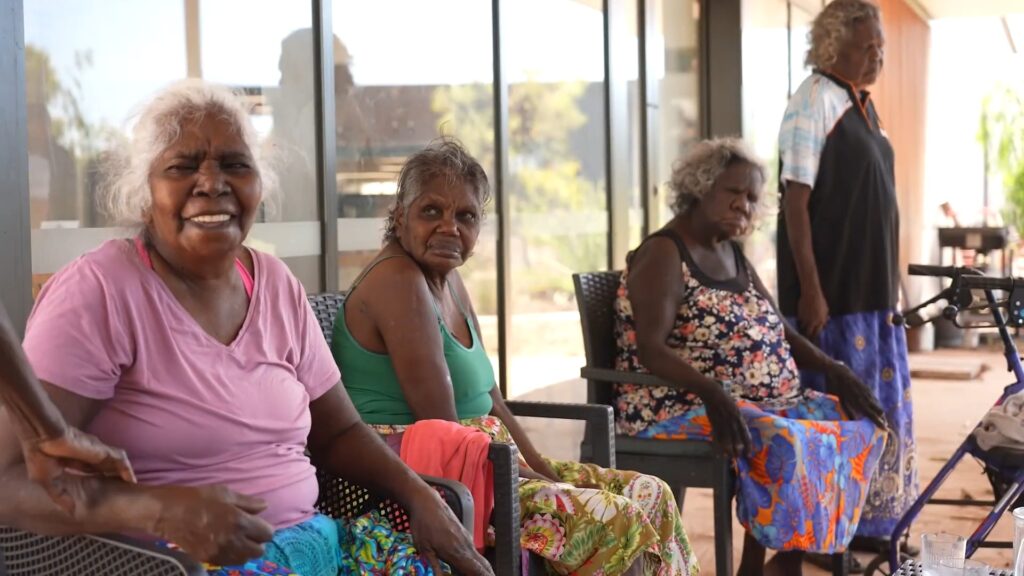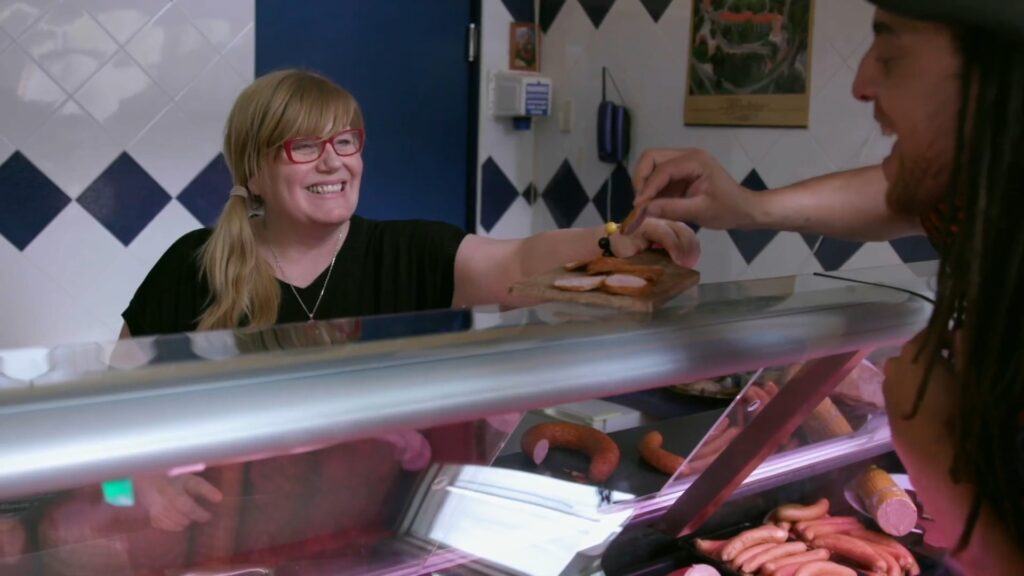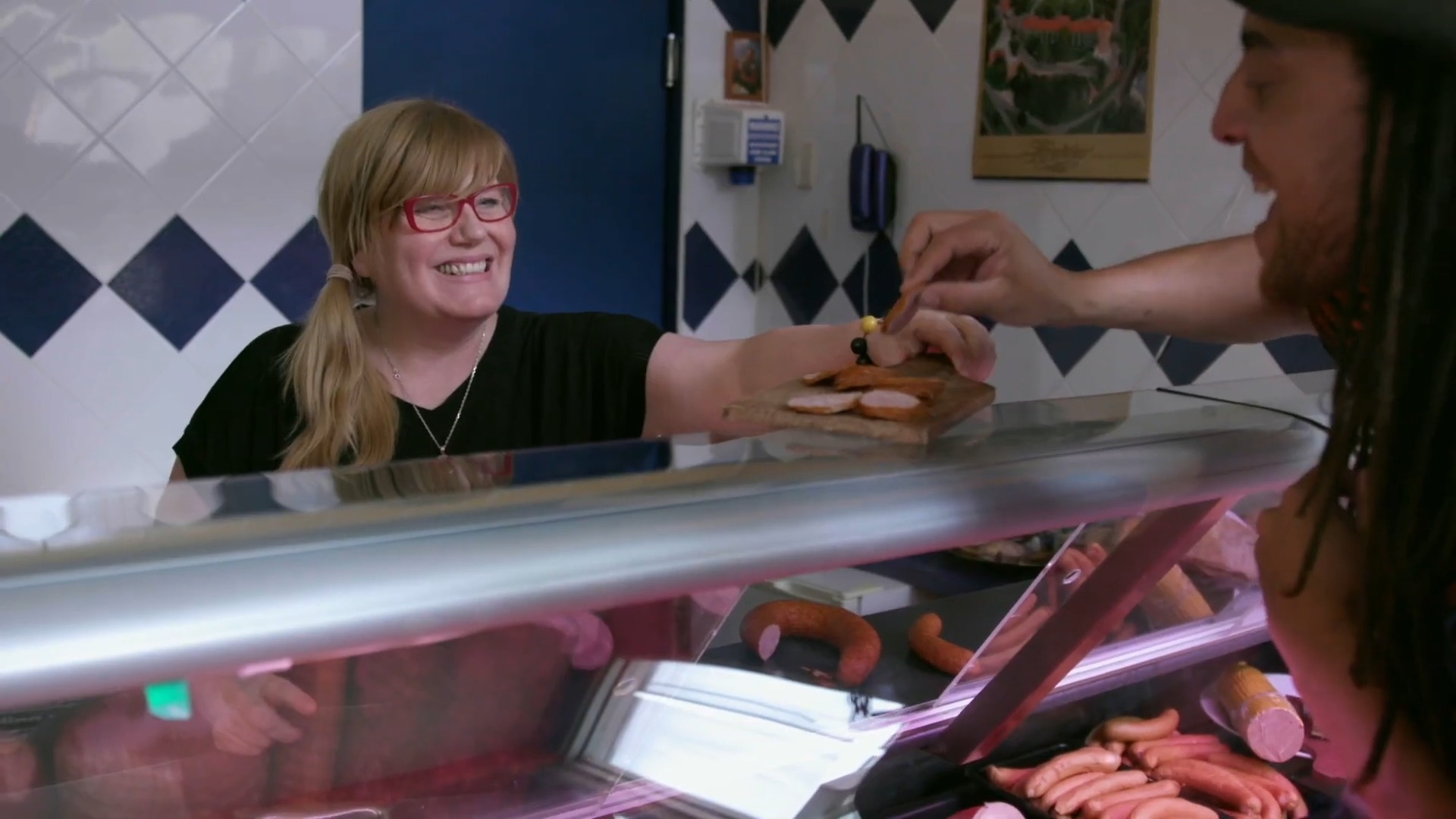
A local council video is a short piece of live action content produced by or for a metropolitan, regional or rural council to inform residents, attract investment, recruit staff, or shift behaviour on a specific council service. Councils commission them for destination marketing, workforce campaigns, civic education, and behaviour change programs, and deploy them across YouTube, council websites, and social platforms where residents already spend their time.
Residents consistently rank being kept informed as one of the most important things a council does, and just as consistently rate councils poorly at doing it. In Victoria’s 2025 Local Government Community Satisfaction Survey, informing the community scored an importance index of 76 out of 100, against an actual performance score of just 56, a 20-point gap that was among the widest of any service area measured. Video will not close that gap by itself, but a piece residents actually watch does more communication work than the newsletter or the annual report ever will.
Punchy Studio is a video production studio that has worked across government and public sector clients. Over 15+ years we have produced more than 1,500 videos and 6,000+ minutes of content across government, healthcare, not-for-profit and education clients. Our live action work spans brand videos, corporate videos, and case study videos for organisations that need to reach a specific audience with a specific outcome in mind.
This post looks at 12 live action videos produced for or by Australian local councils, covering destination marketing, workforce recruitment, civic education, and behaviour change. It is written for communications managers, marketing coordinators, and economic development officers inside local councils who are scoping a video project and want to see what has actually worked elsewhere before they write the brief.
Types of Local Council Video
Council video work falls into a handful of recurring categories, and which one you are in shapes the brief, the tone, and where the finished video gets deployed. The 12 examples below sit across five of them.
1. Destination and investment marketing
Videos built to sell a region, to businesses considering relocation, to investors, or to visitors deciding where to spend their time and money. These lean cinematic, cover infrastructure and lifestyle in the same breath, and get used at expos, in investment prospectuses, and on tourism and economic development pages. Our live action team treats these closer to a brand film than a straight promotional reel.
2. Workforce recruitment
Videos aimed at attracting candidates to council roles, using staff testimonials and behind-the-scenes footage to sell the working conditions, culture, and lifestyle that come with a council job. This category has grown as councils compete for talent in a tightening labour market: a 2026 national report from the Australian Local Government Association found that 83% of Australian councils are experiencing persistent occupational vacancies. A corporate video built around real staff carries more weight here than a stock-footage recruitment ad ever will.
3. Community engagement and civic education
Videos that explain a council process, a piece of civic infrastructure, or a long-term strategic plan, usually featuring council leadership, staff, or community members explaining things in their own words. These need to build trust rather than sell anything, which changes the tone and pacing considerably. Councils commissioning this kind of piece often pair it with broader audience analysis work to understand who actually needs to see it.
4. Service education and behaviour change
Videos designed to shift a specific resident behaviour, correct waste sorting, reduce contamination, encourage a program’s uptake, using process footage to make an invisible council service visible. The job here is closer to a public health campaign than a brand piece, and benefits from the same underlying content strategy work.
5. Brand identity and civic pride
Videos that celebrate the people, history, or character of a place rather than selling a specific outcome. These sit at the more emotional end of council content and are often built around staff, volunteers, or a spoken-word or narrated structure rather than a traditional promotional script.
12 Best Local Council Video Examples
1. Campbelltown City Council
Campbelltown City Council wanted to position its region as a destination for investment, business growth, and high quality living inside one of Australia’s fastest growing cities. The brief called for a piece that could speak to competitive industrial land prices, a young and diverse workforce, and significant infrastructure development, aimed at attracting both new businesses and new residents to the area.
The live action video shows sweeping cinematic shots of the city’s infrastructure and Dharawal Country alongside intimate glimpses of local lifestyle, from the culinary scene to outdoor recreation. Local schools, universities, and growth industries including manufacturing and healthcare feature throughout, giving the piece a comprehensive view of the region’s economic and social profile. Strategic scripting, motion graphics for key data points, and a professional voiceover pull the whole thing into a single polished narrative.
This is one of our own productions. We made this video for Campbelltown City Council as a primary attraction piece for the Council’s economic development initiatives, and it continues to be used across the Council’s digital platforms and at major investment events to invite stakeholders to explore what the city offers.
2. Brisbane City Council
Brisbane City Council produced this video to showcase the city’s Aboriginal and Torres Strait Islander heritage and encourage residents and visitors to engage with council-run cultural initiatives. The brief centred on raising cultural awareness and pointing people toward specific, ongoing programs rather than treating First Nations culture as a single one-off event.
The fast-paced visual montage blends sweeping aerial cityscapes with close-up shots of traditional dance and body painting, alongside families enjoying public art and library storytime sessions. The video points viewers toward specific council touchpoints, including Black History Month programming, weekly street performances in Queen Street Mall, public transport art installations, and guided bushland trails, giving the piece a clear next step rather than leaving cultural awareness as an abstract idea.
3. City of Sydney
The City of Sydney produced this short documentary-style video to take viewers on a guided historical and architectural tour of Sydney Town Hall, one of the city’s most recognisable civic buildings. The brief was to educate the public on the building’s architectural and cultural significance while highlighting the restoration work being done to preserve it.
City of Sydney curator Margaret Betteridge narrates the piece, with aerial shots and close-up footage of interior craftwork covering the building’s 55-metre clock tower, its Victorian vestibule and stained-glass domes, and the pipe organ housed in Centennial Hall. The documentary format suits the subject matter here: the building itself does the selling, and the video’s job is simply to get people close enough to see it properly.
4. Central Coast Council
Central Coast Council needed a recruitment video that could compete for talent against Sydney and Newcastle employers sitting on either side of the region. The brief called for a piece that would sell the lifestyle and career opportunity of working at the Council, not just list open roles.
Natalia Cowley, Council’s Director of Corporate Affairs and Chief Financial Officer, speaks directly to camera about the opportunities available, set against scenic footage of beaches, national parks, local cafes, and major infrastructure projects including Central Coast Stadium and the Laycock Street Theatre. The pairing of a named, credible staff voice with genuine regional footage is what separates this from a generic “great place to work” recruitment reel.
5. Lake Macquarie City Council
Lake Macquarie City Council wanted a recruitment video built around genuine staff testimony rather than a scripted pitch, aimed at prospective employees weighing up a move into local government work. The brief prioritised workplace culture and flexibility as the main selling points, on the basis that career progression alone was not enough to win candidates over.
The video interviews staff across a deliberately wide range of roles, cut against footage of collaborative office spaces, outdoor maintenance work, and waterfront views. The specific benefit called out most clearly, a nine-day fortnight, gives the piece something concrete to anchor the more general claims about work-life balance and career progression that recruitment videos often rely on without evidence.
6. City of Casey
The City of Casey needed to encourage job seekers to consider local government as a career path, at a time when councils nationally are competing hard for skilled staff. The brief called for an employee-focused piece that would demonstrate real impact and flexibility rather than lean on stock imagery of council work.
Personal accounts from staff across corporate services, inclusion, and construction sit alongside footage of modern office spaces, outdoor recreation areas, and community events. Flexible arrangements such as working from home are shown rather than simply claimed, which matters in a recruitment category where “supportive and inclusive” has become a throwaway line in most job ads.
7. City of Greater Geelong
The City of Greater Geelong needed to explain what happens to household green waste after collection, and to build resident confidence in using the finished compost product on their own gardens. The brief was straightforwardly educational: show the process, then show the payoff.
Footage follows kerbside collection trucks through to heavy machinery turning windrows at the Anakie processing facility, before landing on gardeners using the finished compost on thriving vegetable patches. Seagrass and zoo manure both feature as compost inputs, a detail that would sound implausible in a script but reads as credible on camera, which is exactly the kind of thing live action does better than any other format for this category of content.
8. Hume City Council
Hume City Council needed to explain its 20-year Community Vision to ratepayers and demonstrate that community input had genuinely shaped council planning. The brief called for a piece that would make an abstract strategic document feel like the product of a real, collaborative process rather than a council decision handed down from above.
Mayor Cr Jarrod Bell, Chief Executive Officer Sheena Frost, and residents who took part in community panels all appear on camera, discussing the four pillars behind the plan: inclusion, infrastructure connection, environmental sustainability, and responsible governance. Having residents speak for themselves alongside council leadership is what keeps a strategy video like this from reading as pure council messaging.
9. City of Ballarat
The City of Ballarat wanted to recognise the council staff and volunteers who keep the city running day to day, work that residents rarely see and rarely think about until it stops happening. The brief was less about selling a service and more about building civic pride and gratitude toward people who are usually invisible in council communications.
A spoken word poem and gentle piano score carry the piece, set against early morning street sweepers, parks workers planting flowers along Victoria Street, archivists, gallery curators, Meals on Wheels volunteers, and animal shelter workers. The poetic structure is a genuine departure from the standard council video format, and it works because the subject, quiet civic labour, would feel flat under a conventional voiceover script.
10. Townsville City Council
Townsville City Council needed to boost regional tourism and attract new residents and investors to North Queensland, competing against better-known east coast destinations for both visitors and migration. The brief called for a piece that positioned the region on lifestyle terms first, economic terms second.
The video moves fast through paddleboarding at sunrise, tropical island getaways, outdoor dining, health and education facilities, and community events, presenting Townsville as a place with capital city infrastructure and a genuinely relaxed pace of life. The pacing itself is doing work here: a slower cut would undersell how much the region packs into daily life.
11. City of Adelaide
The City of Adelaide wanted to make the case for its own behind-the-scenes work, the maintenance, event management, and produce inspection that residents benefit from without ever noticing. The brief called for a format that could connect the invisible council work directly to the everyday resident activities it supports.
A side-by-side split-screen technique pairs daily resident moments, commuting, reading at a library, attending a festival, shopping at a market, with the council workers cleaning streets, maintaining parks, managing events, and inspecting produce that make those moments possible. The split-screen device does more explanatory work in a few seconds than a voiceover explaining “what council does” ever could.
12. City of Port Adelaide Enfield
The City of Port Adelaide Enfield wanted a brand identity piece that honoured the area’s working-class manufacturing heritage while reflecting its modern, multicultural character. The brief asked for something that would define the council’s brand around its people rather than its infrastructure or services.
Archival black-and-white manufacturing photographs cut against vibrant modern footage of tradespeople, artists, sporting events, and multicultural festivals, building a sense of continuity between the area’s industrial past and its present. Contrasting archival and contemporary footage is a straightforward device, but it lands here because the area’s identity genuinely has changed shape without losing its working character.
Live Action vs Animation for Local Government
Most of the briefs in this post called for live action, and that is not a coincidence. Local government communication is fundamentally about real places and real people. For example, a real region, a real workforce, a real council process. But animation still has a place in the mix, and knowing which one to reach for saves both budget and rework.
Live action is usually the right call when:
- Authenticity is the entire point (staff testimonials, resident voices, a real council leader speaking on camera).
- The physical place itself is the asset (a region’s landscape, a heritage building, a streetscape).
- The audience needs to trust that what they are seeing is genuine, not a stylised version, which matters heavily in recruitment and civic trust content.
- You are producing a piece for an economic development prospectus, an investment pitch, or any context where a real backdrop signals credibility.
Animation is usually the right call when:
- The subject is a process that is difficult or expensive to film cleanly, such as a technical infrastructure system or a data-heavy planning concept.
- The message needs to reach a broad demographic range, including children or people with lower English literacy, where illustrated characters travel further than live footage.
- Representation needs to be controlled deliberately across a diverse resident population, without relying on which residents happened to be available and willing to be filmed on the day.
- The council wants a piece with a longer shelf life that will not date the way real locations, fashions, or infrastructure eventually do.
In practice, larger councils often use both. Live action carries the destination marketing, recruitment, and civic pride work covered in this post. Animation picks up the explainer and process-education layer where a council needs to simplify something technical for a broad audience.
The decision usually comes down to a proper content strategy conversation before a single frame is shot, rather than defaulting to whichever format the last video happened to use.
FAQs
What is a local council video?
A local council video is a short piece of video content, most often live action, produced by or for a metropolitan, regional or rural council. Councils commission them to market a region for investment and tourism, recruit staff, explain civic processes and strategic plans, drive behaviour change on specific services such as waste, or build community pride around council staff and history. They typically run 60 seconds to 3 minutes and are deployed across YouTube, council websites, and social platforms. Unlike a corporate promotional video, council content has to serve ratepayers as well as sell an outcome, which changes the tone considerably from a standard commercial brief. The 12 examples in this post span destination marketing, recruitment, civic education, behaviour change, and brand identity content.
How long should a local council video be?
Most council videos run between 60 seconds and 3 minutes, depending on the category. Destination marketing and civic pride pieces tend to sit at the longer end, closer to 2 to 3 minutes, because they are asking an audience to spend time absorbing a place or a story. Recruitment and behaviour change videos generally work better shorter, closer to 60 to 90 seconds, because the audience is watching with a specific question in mind and drops off quickly once it is answered. Wyzowl’s 2025 research on video marketing found that 73% of people rate videos between 30 seconds and 2 minutes as the most effective length, and that pattern holds for council audiences as much as any commercial one. If a script will not fit the target length, the answer is usually to cut scope rather than let the video run long.
Why use live action instead of animation for local government video?
Live action is generally the better choice for local government content because so much of what councils need to communicate depends on authenticity: a real place, a real staff member, a real resident. Investment and tourism marketing needs to show an actual region, not an illustrated stand-in for it. Recruitment video needs a genuine staff member on camera, because an animated character telling you the workplace culture is great carries none of the credibility of a real person saying it. Civic trust content, explaining a council decision or a strategic plan, works best when residents can see council leadership speaking directly to camera. Animation still earns its place for genuinely abstract or technical subject matter, or where a council needs controlled representation across a very broad demographic, but for the destination, recruitment, and civic pride categories that dominate council communications, live action remains the default.
What local council topics work best for live action video?
Live action performs particularly well on destination and investment marketing (Campbelltown, Townsville), workforce recruitment (Central Coast, Lake Macquarie, Casey), civic education and trust-building content (Hume, Sydney Town Hall, Adelaide), and brand identity or civic pride pieces (Ballarat, Port Adelaide Enfield). It also suits behaviour change content where showing an actual process builds credibility, as in the Greater Geelong compost example, where footage of the real processing facility does more to build resident trust than an illustrated diagram would. Live action performs less well where a council needs to explain something genuinely invisible, such as a technical planning process or a data system, or where representation needs tighter creative control than what is available to film on a given day.
How do you measure the success of a local council video?
Success measurement should be agreed before the brief is written, not retrofitted after delivery. For destination and investment marketing, the relevant measures are usually reach, engagement, and inbound enquiries from the target audience of investors or prospective residents. For recruitment video, the metrics that matter are applications received and, ideally, applicant quality against the roles being advertised. For civic education and behaviour change content, success usually means a measurable shift in the specific behaviour or awareness metric the video targeted, such as correct bin usage or awareness of a strategic plan. Councils that skip this step tend to fall back on view counts alone, which measure reach but say nothing about whether the video did its actual job. A proper distribution strategy agreed at the brief stage makes these measures possible to track from day one.
Conclusion
Across these 12 examples, the videos that work hardest are not the most cinematically ambitious ones. They are the ones built around a specific, credible detail like a named staff member speaking honestly about a workplace benefit, a real processing facility turning green waste into compost, a mayor and a resident sitting side by side explaining a plan they built together.
That is the advantage live action has over every other format for local government communication. Councils are, at their core, made of real places and real people, and the strongest videos in this post simply get out of the way and let that be seen clearly.
If you are scoping a video for a local council, whether it is destination marketing, recruitment, civic education, or something that does not fit neatly into any of these categories, we would be glad to talk through your brief and the audience you are trying to reach.
Get in touch to book a call.
Sources
- Local Government Victoria, Department of Government Services (2025), Local Government Community Satisfaction Survey 2025: State-wide Report. https://www.localgovernment.vic.gov.au/__data/assets/pdf_file/0025/217708/CSS-State-wide-Report.-2025.pdf
- Australian Local Government Association (2026), Local Government Skills Audit and Review of the Uptake and Utility of the LGA Local Government Training Package: National Report. https://alga.com.au/joint-media-release-councils-face-critical-skills-shortages-as-workforce-pressures-intensify-national-report/
- Wyzowl (2025), Video Marketing Statistics. https://www.wyzowl.com/video-marketing-statistics/