The Reach Problem Government Communicators Know Well
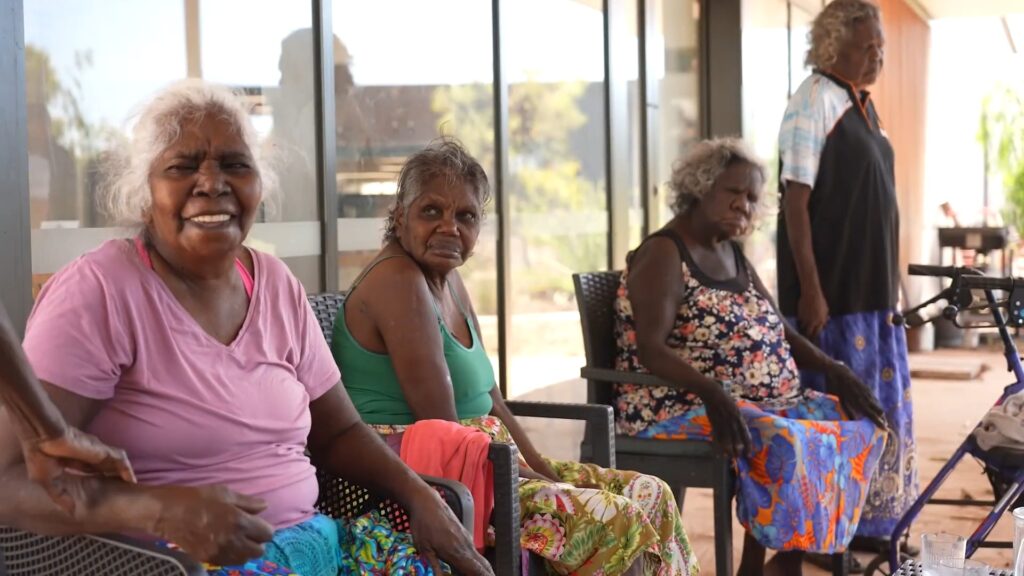
Australia is one of the most culturally and linguistically diverse countries in the world. More than a quarter of the population was born overseas, and across major cities and regional communities, dozens of languages are spoken as first languages in the home. For government agencies communicating with the public, this diversity is not a peripheral consideration. It is a central communications reality that shapes whether information reaches the people it was designed for.
The gap between publishing information and genuinely communicating it is widest when audience diversity is highest. Written communications in English, however carefully drafted, simply do not reach community members whose primary language is not English, or who have lower formal literacy in any language. And for government agencies with obligations to communicate accessibly and equitably, that gap represents both a practical failure and a compliance risk.
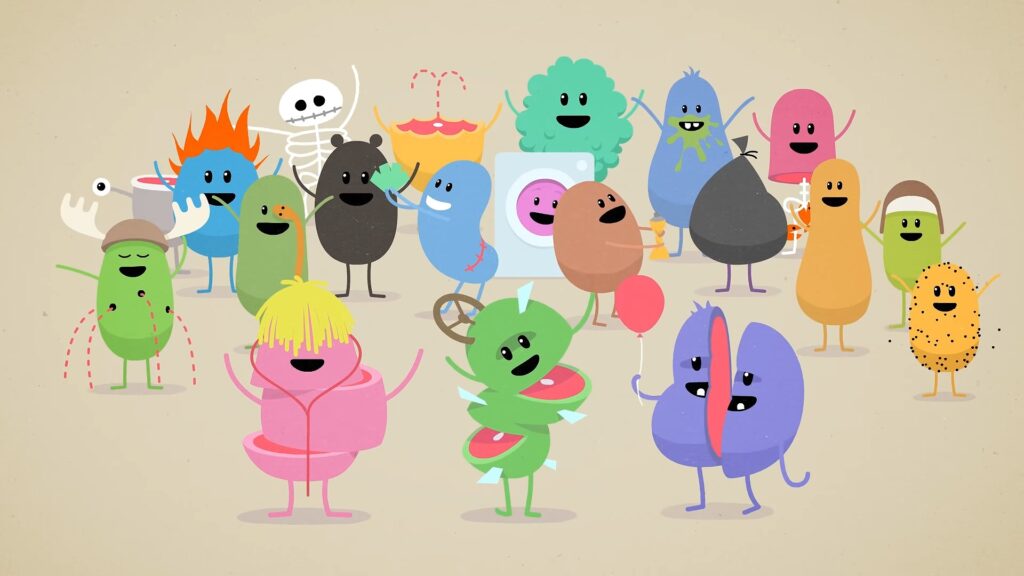
Animation and video production are increasingly how government agencies at federal, state, and local levels are closing that gap. Not because they are a newer technology, but because they are a fundamentally better format for reaching diverse communities with information that matters.
Why Animation Is Particularly Well-Suited to Multicultural Audiences
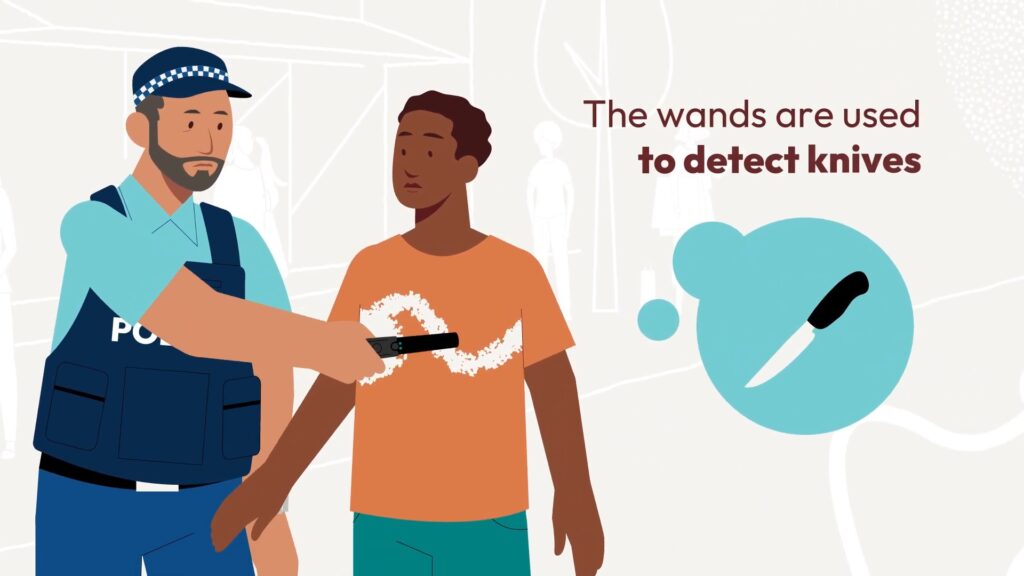
The core advantage of animation for multicultural communications is that it does not rely primarily on written or spoken language to convey meaning. A well-designed animated video uses visual storytelling, clear character actions, contextual environments, and intuitive sequences to communicate information in ways that a viewer can follow even when language comprehension is partial.
This matters in practice. When an animated video explains a process, such as how to register for a government service, how to access support during an emergency, or what rights a community member holds under a particular program, a viewer who catches seventy percent of the spoken narration but follows the visual sequence clearly will still receive the core message. A reader who understands seventy percent of a written document is far more likely to give up, guess, or act on a misunderstanding.
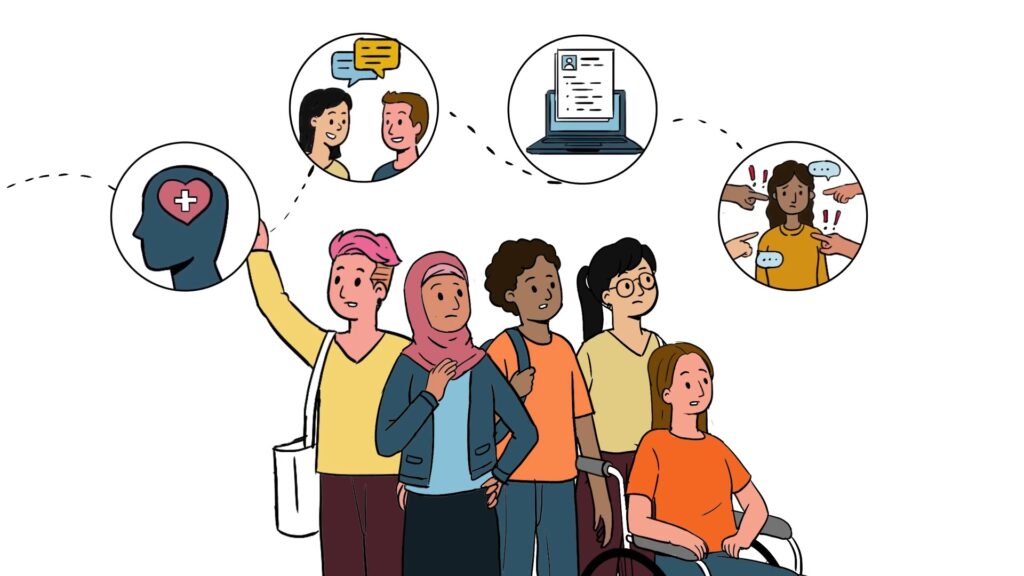
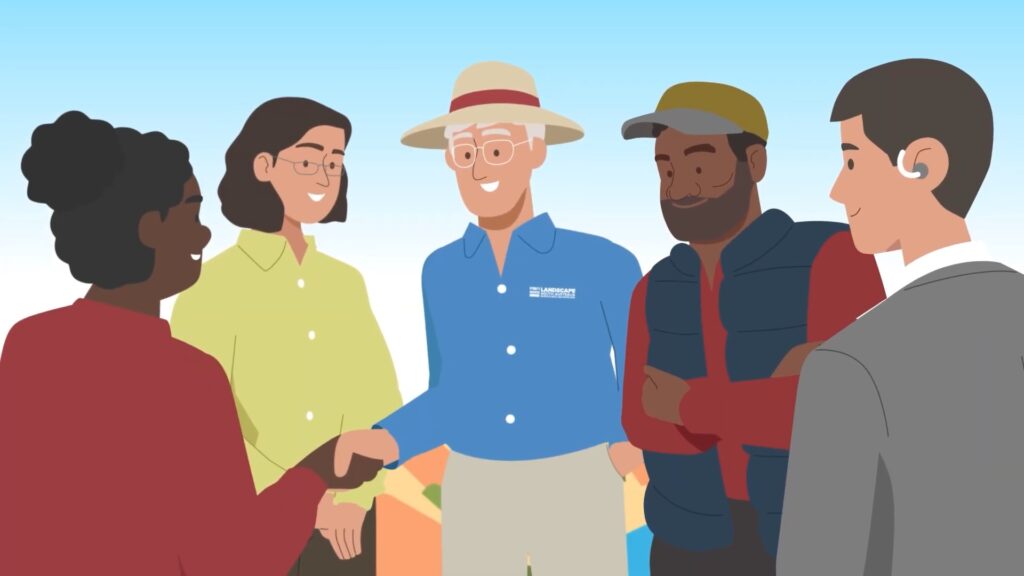
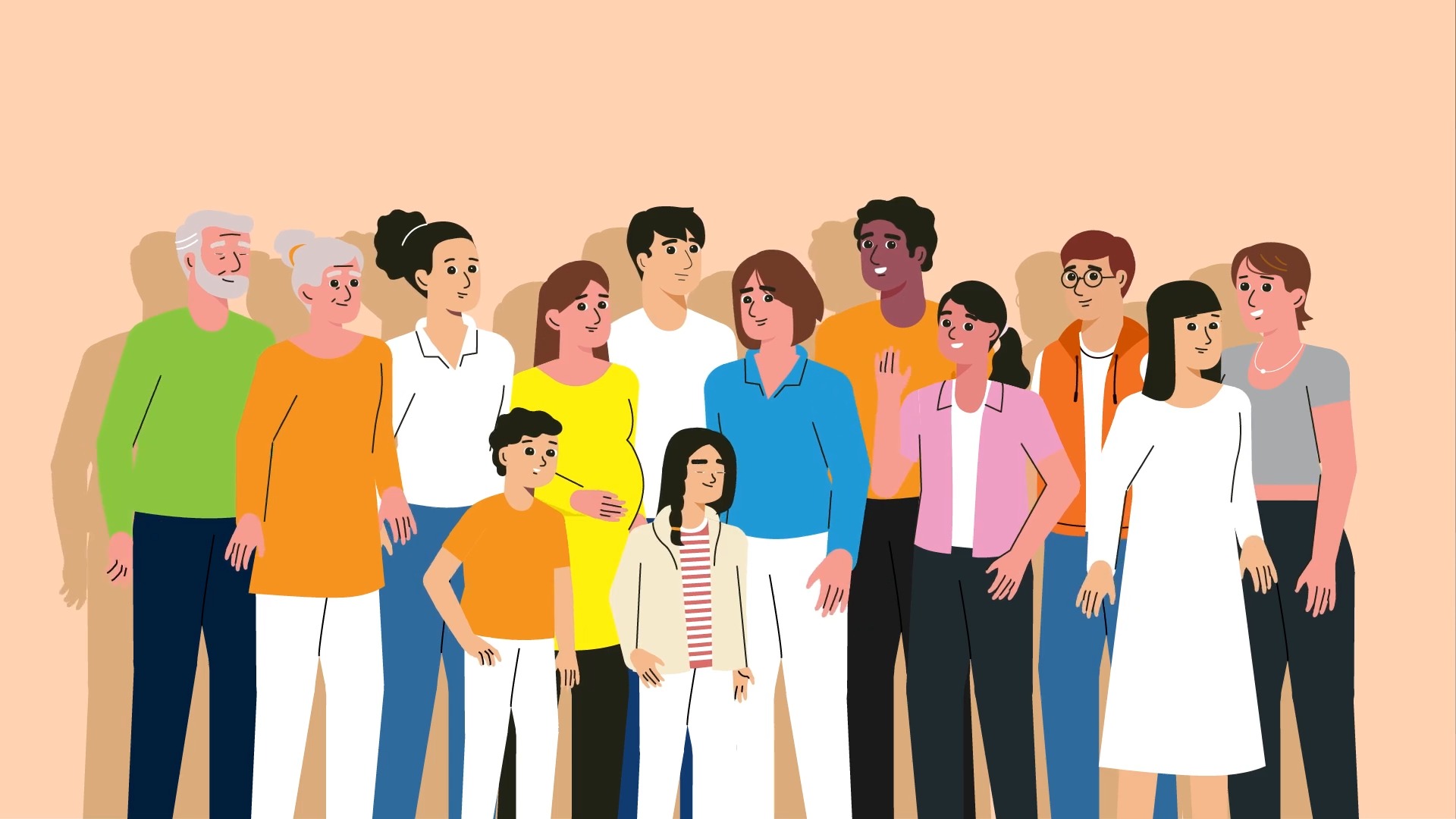
Animation also removes the cultural distance that stock photography and live action video can inadvertently create. When animated characters, environments, and visual references are designed to reflect the communities an agency is trying to reach, those community members see themselves in the content. That recognition is not a minor aesthetic consideration. It is a trust signal that affects whether people engage with government communications or dismiss them as not meant for them.
Multilingual Video: One Production, Many Communities
One of the most practical arguments for animation in multicultural government communications is the efficiency of multilingual adaptation. An animated video produced in English can be adapted into additional languages through translated narration and subtitles without requiring new filming, new locations, or new talent. The core animation is produced once. The language adaptation is applied on top.
For government agencies communicating regularly with communities where Arabic, Vietnamese, Cantonese, Mandarin, Tagalog, Hindi, or other languages are widely spoken, this means a single well-produced animated explainer video can generate a suite of language-specific versions that together reach a far broader audience than any English-only communication could. The investment in quality production is made once and multiplied across communities.
This approach also supports consistency. Every community receives the same information, explained with the same clarity, supported by the same visual demonstration. The risk of meaning being lost or distorted across translation is significantly lower when the visual content carries the narrative and the language adaptation supports rather than drives comprehension.
It is worth noting that cultural appropriateness review is as important as language translation. The visual elements of an animated video, including character design, colour choices, symbolic references, and depictions of family or community structures, carry cultural meaning that varies across communities. Agencies producing multilingual animated content benefit from community review of visual elements, not just narration, before distribution. A video that is linguistically accurate but visually tone-deaf misses the point of inclusive communication.
Accessibility Beyond Language
Multicultural communications and accessibility are related but distinct obligations for government agencies. Many community members who are not well-served by English-language written communications are also not well-served by communications that assume high digital literacy, familiarity with government processes, or access to the kinds of institutional knowledge that long-term residents accumulate over time.
Animation addresses several of these barriers simultaneously. Closed captions make video content accessible to community members who are Deaf or hard of hearing, and also support comprehension for viewers who are watching in a noisy environment or for whom audio access is limited. Simple, clear narration written at an accessible reading level reduces the cognitive load for viewers still building English proficiency. Visual demonstrations of processes reduce the need for prior familiarity with government systems.
For government agencies with specific WCAG compliance obligations, animated video content produced to accessibility standards, including captions, audio description where appropriate, and accessible colour contrast in visual elements, meets those obligations in a format that is also genuinely useful and engaging for community members. Accessibility and effectiveness are aligned, not in tension.
Where Animation Works Best in Government Multicultural Communications
The use cases for animation in government multicultural communications span a wide range of agency types and program areas. Public health campaigns reaching communities with higher rates of chronic disease, or communicating about vaccination and screening programs, have consistently used animation to reach CALD communities with information that written health communications failed to deliver. Emergency management agencies use animated video to communicate evacuation procedures, emergency contacts, and disaster preparedness steps to communities who may not access mainstream media during a crisis.
Social services and community support programs use animation to explain eligibility, application processes, and rights in formats that empower community members to access entitlements they are often unaware of. Electoral commissions use animated video to explain voting processes to newly arrived community members and first-time voters. Environmental and planning agencies use animation to explain consultation processes and community rights in development decisions.
Across all of these use cases, the common thread is the same: information that exists in written form but is not reaching its intended audience can reach that audience through well-designed, culturally appropriate, multilingual animated video. The format does not just translate the content. It makes it genuinely accessible.
Planning Multicultural Video Communications That Actually Work
Producing animated video for multicultural audiences requires more upfront planning than producing content for a general English-speaking audience. The communities to be reached need to be identified specifically, not grouped under a catch-all category. Language needs, cultural review requirements, and distribution channels within specific communities all need to be considered before production begins.
A thorough audience analysis is the foundation of multicultural video communications that performs. Understanding which communities an agency is trying to reach, what languages they speak, where they consume information, and what barriers currently prevent them from accessing agency communications shapes every creative and production decision that follows.
Government agencies working in this space also benefit from established production partnerships with teams that have genuine experience in multicultural and accessible communications. The difference between an agency that has produced one multilingual video and an agency with a deep track record in this area is visible in the quality of the content, the robustness of the translation process, and the cultural sensitivity of the visual design. That experience is not a luxury. It is what determines whether the investment in production actually generates the community reach the agency needs.
If your government agency is working to improve how you communicate with diverse communities, and if you want that communication to genuinely reach and be understood by the people it is designed for, reach out to the Punchy Studio team to talk through what is possible. You can also explore our portfolio to see the breadth of government and community sector visual communications we have produced across Australia.