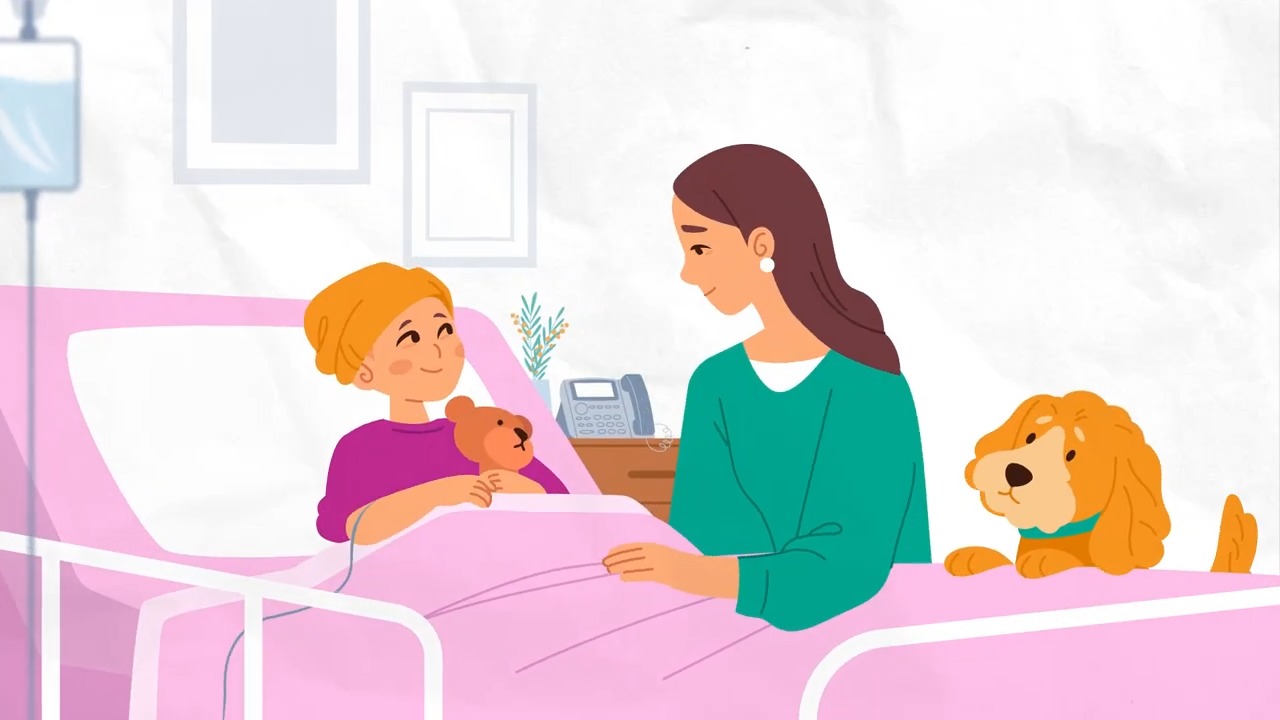
There are nearly 29,000 children and young people in Australia living with a life-limiting condition.
Most of their families will encounter the term “palliative care” at some point. And for most, that moment will be terrifying.
The word carries decades of association with death, with giving up, with the final chapter. In adult medicine, that association is often accurate. In paediatric medicine, it’s not.
Paediatric palliative care is an additional layer of support that works alongside a child’s primary treating team. It is, fundamentally, about living better, not about dying.
But try telling that to a parent who just heard the word for the first time in a hospital corridor.
The Challenge
Palliative Care Australia (PCA) had built a dedicated paediatric palliative care website, drawing on the lived experiences of parents, bereaved parents, siblings, and health professionals.
The resources were strong: plain-language explanations, case studies, podcasts, stories from families who walked the same path.
The problem was that families in crisis don’t browse. They don’t search for terms they’re afraid of. And when they do encounter information, they’re looking for two things: facts they can trust and a tone that doesn’t make everything feel worse.
That combination is harder than it sounds. Clinical language feels cold. Emotional language feels insincere. And anything that reads like a brochure gets dismissed immediately by a parent who is already overwhelmed and under-slept.
The Strategy
PCA needed visual communications that could do something deceptively simple: make a worried parent feel safe enough to take the next step.
The creative strategy centred on three decisions.
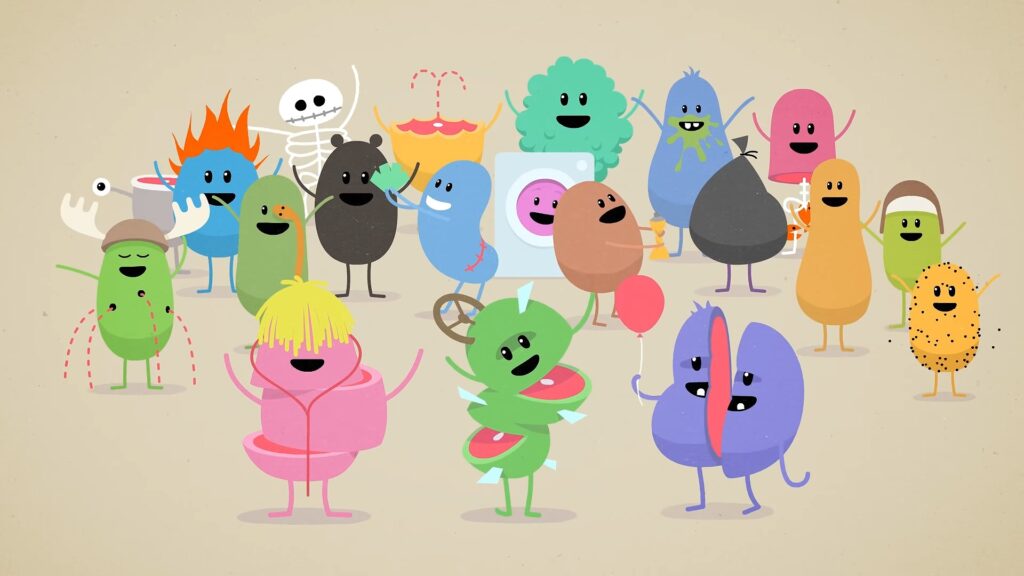
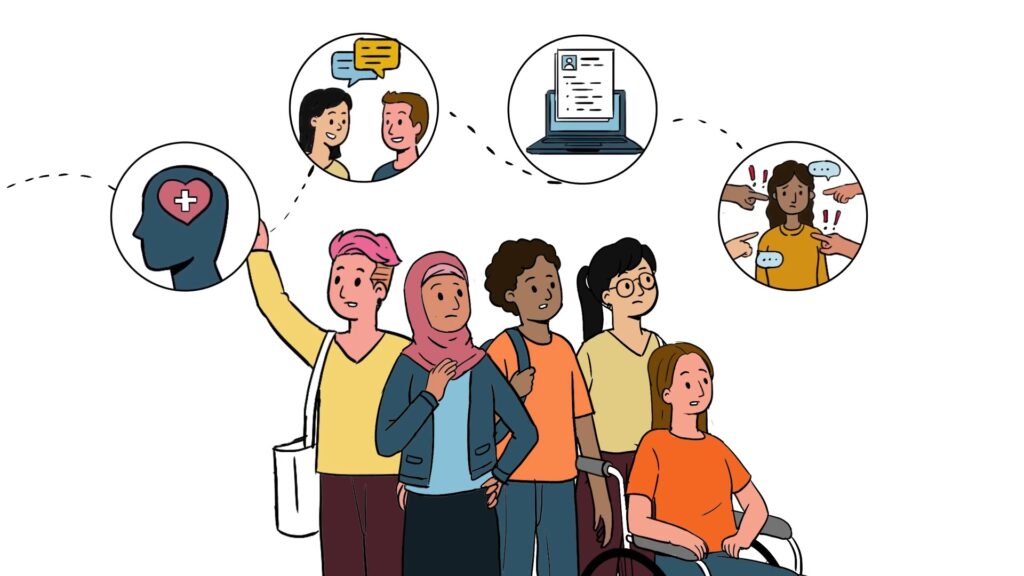
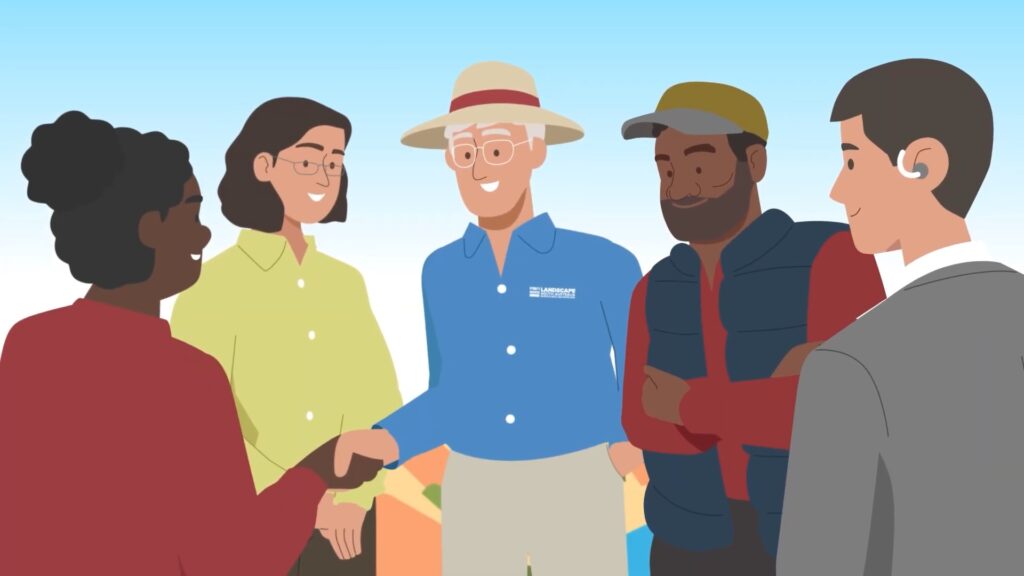
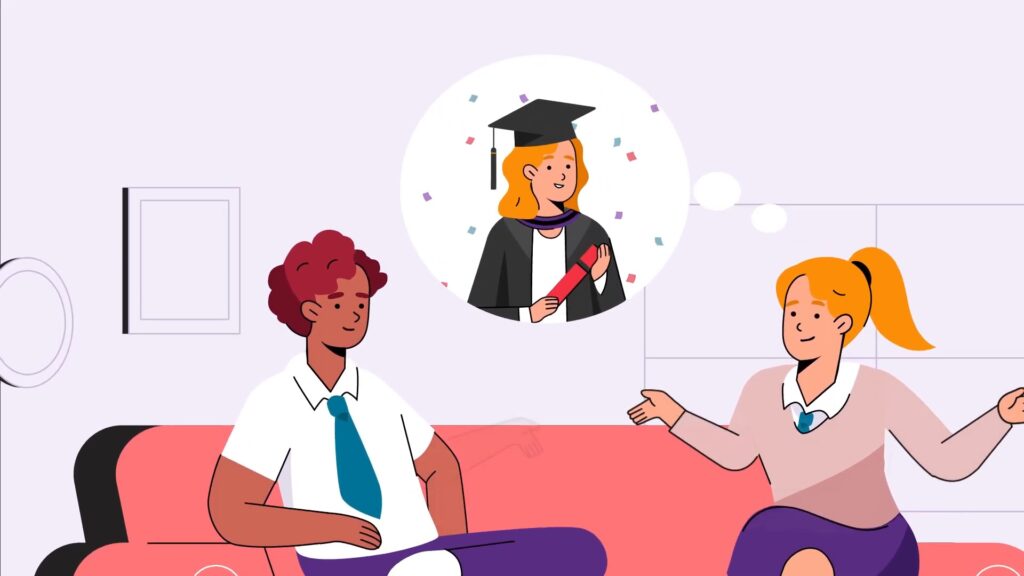
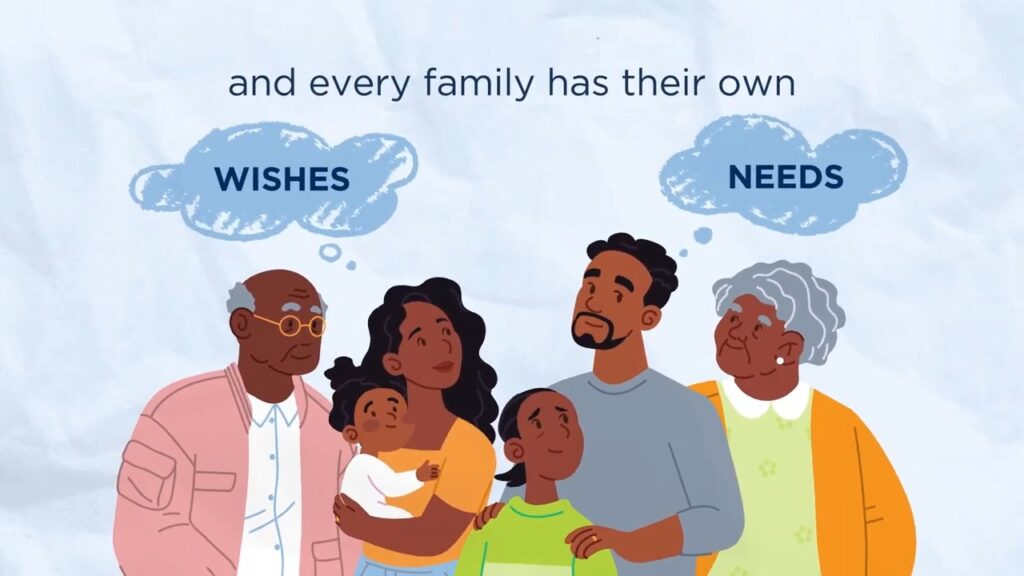
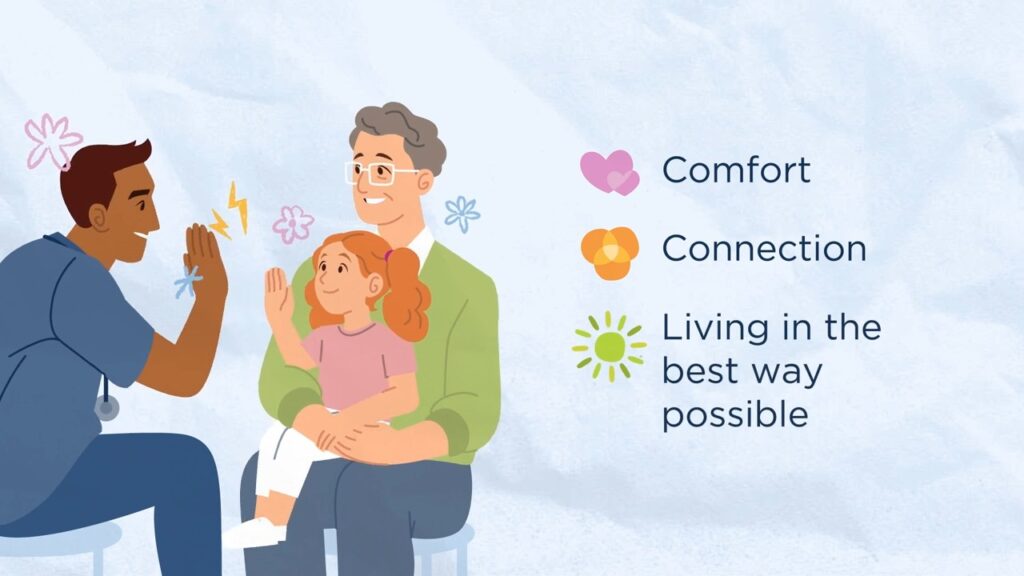
- Animation as a trust signal: Clean 2D animation with soft, uplifting colours and simple, expressive characters. Animation gave PCA full control over tone, pacing, and representation without the logistical and ethical complexity of filming real patients.
- Warmth over authority: The voiceover called for a calm, reassuring tone rather than a clinical narrator. The goal was to sound like someone who understood, not someone who was instructing.
- One idea at a time: Families dealing with a new diagnosis are processing more information than they can hold. Animation allowed each concept to land through smooth, deliberate transitions. No branching paths. No overwhelming detail.
The Approach
The script opens where families actually are: “When your child is living with a life-limiting condition, having clear, caring support makes a big difference.” No statistics. No shock. Just an acknowledgement.
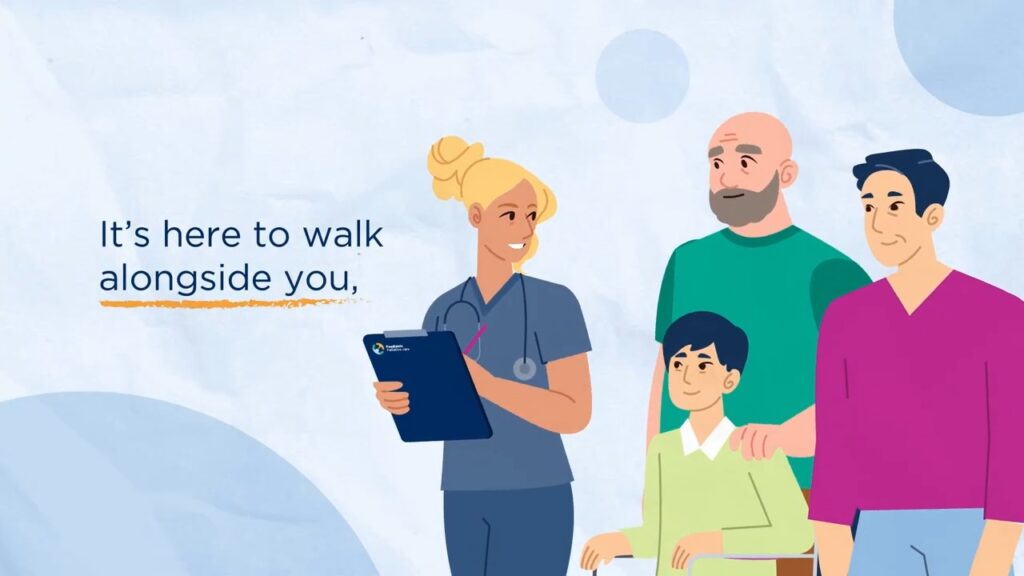
From there, it moves through a gentle sequence. Care is shaped around you. The team walks alongside you. And if you want reliable information, the website is a safe place to start.
The phrase, “safe place to start,” lowers the bar. It tells a parent they don’t have to absorb everything right now. They can come back when they’re ready, and explore resources designed for exactly where they are.
The call to action is simple: visit the website. From there, families can find the information and confidence they need to have more informed conversations with their child’s care team.
The Outcome
The finished animation gives PCA a deployable asset across YouTube, their website, LinkedIn, and Facebook, built to meet families at the point of referral, self-referral, or first introduction to care.
When the wrong tone can shut a conversation down before it starts, the real job isn’t explaining a service. It’s convincing a family that this kind of support is not what they fear, and that taking a closer look is safe.

Next Steps
Got a message that needs to reach families, patients, or communities at their most vulnerable?
Whether you’re communicating around health, navigating sensitive subject matter, or trying to build trust with an audience that has every reason to be cautious, we’d love to help you figure it out.
Drop us a line and let’s chat about what you’re working on.