When most people think of animation, they picture a single format: a short, narrated video with moving graphics. In practice, a professional Sydney animation studio can produce a wide range of formats, each designed for different communication goals, audience contexts, and distribution channels. Choosing the right format is just as important as choosing the right studio. A beautifully produced animation in the wrong format for your audience will underperform, regardless of how polished it looks.
This guide breaks down five distinct animation formats that Sydney-based studios commonly deliver. For each one, we explain what it involves, when it works best, and what kind of organisation or project it suits. Whether you are planning a public awareness campaign, an internal training rollout, or a brand refresh, understanding your format options will help you brief more effectively and get better results.
1. Explainer Videos: The Core Format From Any Sydney Animation Studio
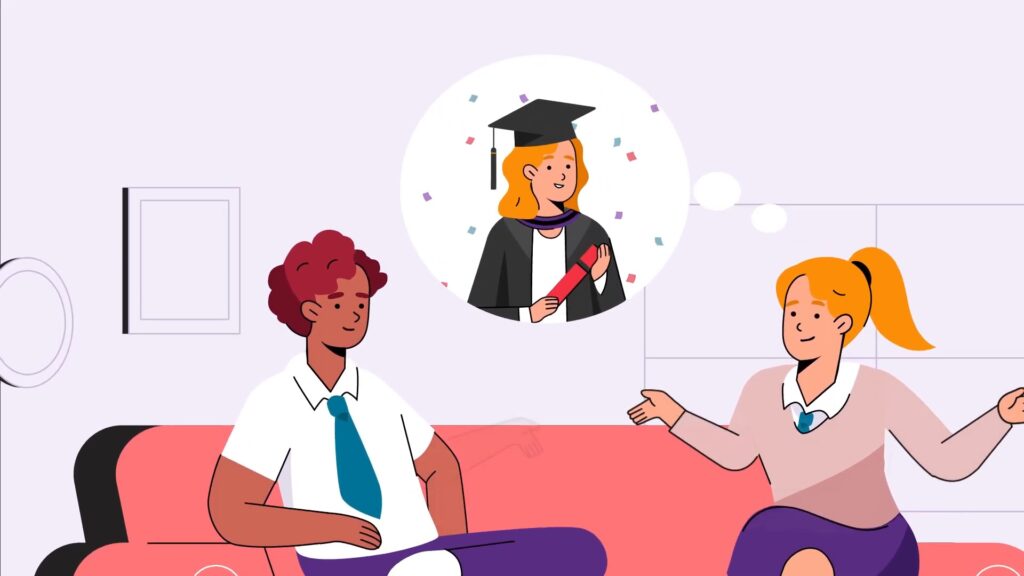
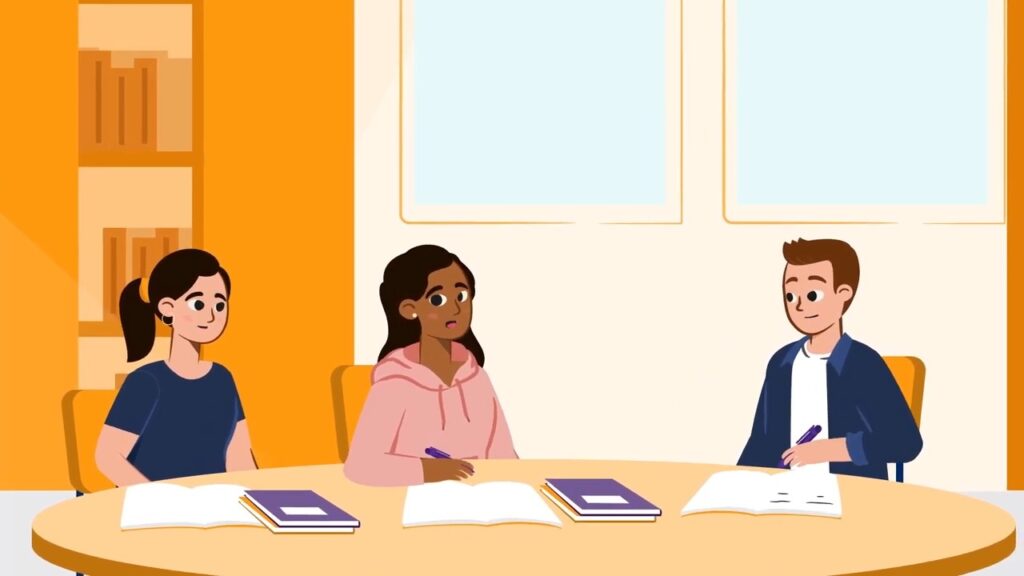
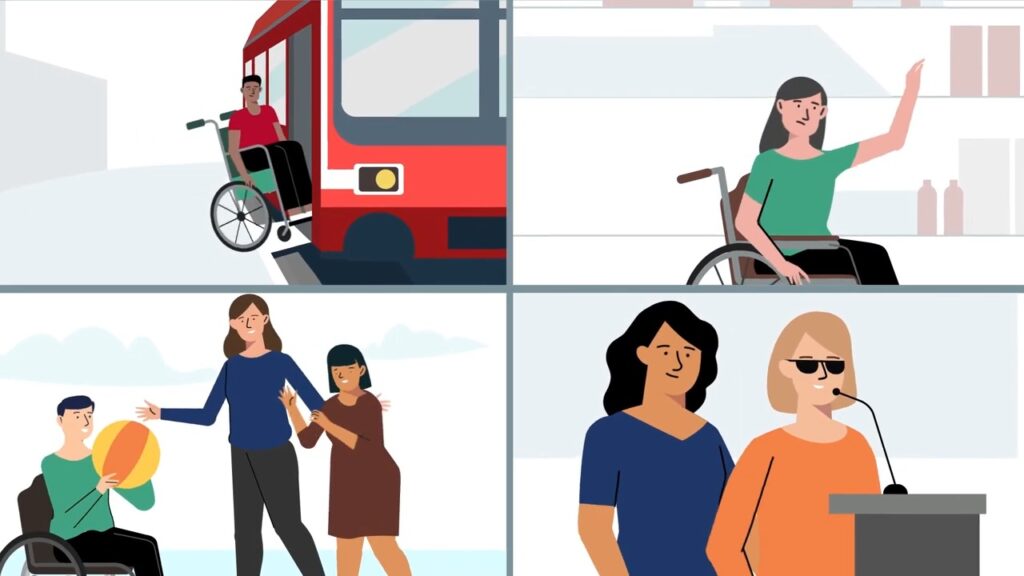
Explainer videos are the most widely commissioned animation format, and for good reason. They take a complex concept, process, or proposition and distil it into a clear, engaging narrative, typically between 60 and 120 seconds. The visual style can range from simple motion graphics to detailed illustrated environments, depending on the subject matter and audience.
This format works best when you need to communicate something that is difficult to explain in text alone. A new government service, a change to a healthcare pathway, a product feature, a policy update: these are the kinds of topics where a well-structured explainer video can significantly improve comprehension and retention. The key is a strong script. The visuals support the narrative, but if the narrative is unclear, no amount of animation will save it.
Explainer videos are suited to organisations across every sector. A local council explaining a new waste collection system, a university promoting a course pathway, or a health insurer walking members through a claims process can all benefit from the same fundamental format, adapted to their audience and tone.
2. Training and Instructional Animation
Training animation is designed to teach a specific skill, procedure, or compliance requirement. Unlike explainer videos (which communicate a concept), training animations guide the viewer through a defined sequence of steps. They often include on-screen labels, numbered processes, and clear visual cues that reinforce the learning objective.
This format is particularly effective for organisations with large, distributed workforces or audiences who need consistent information delivered at scale. A training video on workplace safety, onboarding procedures, or software workflows can replace or supplement instructor-led sessions, reducing costs and ensuring every viewer receives the same content.
Training animations tend to be longer than explainers (two to five minutes is common) and benefit from a modular structure. Breaking content into discrete segments allows viewers to revisit specific sections without rewatching the entire video. If you are producing training content, ask your animation studio in Sydney whether they can deliver chapter markers, interactive elements, or companion materials alongside the final video.
3. Campaign and Social Animation From a Sydney Animation Studio
Not all animation is long-form. Campaign animation is designed for short attention spans and fast-scrolling environments: social media feeds, digital display ads, email headers, and event screens. These assets are typically 6 to 30 seconds, visually bold, and built to communicate a single message or prompt a single action.
The production requirements differ from longer-form work. Campaign animation prioritises impact over narrative depth. It needs to land in the first two seconds, work without sound (since most social content is viewed on mute), and be delivered in multiple aspect ratios for different platforms: landscape for YouTube, square for Instagram feeds, vertical for Stories and Reels.
This format suits organisations running multi-channel campaigns where consistent visual identity matters across touchpoints. A Sydney-based animation team that delivers campaign assets alongside design and illustration can ensure everything feels cohesive, rather than having animation produced in isolation from the rest of the campaign.
4. Data Visualisation and Infographic Animation
Some information is best communicated through data: statistics, trends, comparisons, survey results, annual report highlights. Animated data visualisation takes static charts and numbers and brings them to life, making patterns more visible and the story behind the data more compelling.
This format is not about decoration. It is about clarity. Animating a bar chart so values build sequentially, or showing a map where data points appear region by region, helps the viewer process information in a logical order rather than confronting a dense static graphic all at once. It is especially useful for annual reports, research summaries, advocacy campaigns, and board presentations where data needs to be understood quickly by non-specialist audiences.
Organisations that regularly publish data-heavy content (research bodies, peak industry associations, health agencies, financial institutions) should consider whether animated infographics could make their reporting more accessible and engaging. A good animation studio in Sydney will work with your data team to identify the most impactful figures and build a visual narrative around them.
5. Internal Communications and Change Management Animation
Not every animation is public-facing. Internal communications animation serves staff, leadership, and stakeholders within an organisation. It is used to explain restructures, introduce new systems, support change management programs, or celebrate organisational milestones like end-of-year wrap-ups.
The production values for internal animation can be simpler than public-facing work, but the messaging needs to be just as precise. Staff audiences are often sceptical of corporate communications, so the tone needs to be authentic, clear, and respectful. Overly polished or corporate-feeling animation can alienate the very audience it is trying to engage.
This format works particularly well during periods of organisational change. Incorporating concept testing into a broader internal comms plan that includes animation can help staff understand what is changing, why it matters, and what they need to do differently. It also scales well: a single animation can be distributed across an entire workforce simultaneously, ensuring consistency that email memos and town halls cannot always guarantee.
Choosing the Right Format for Your Project
The five formats above are not mutually exclusive. Many projects combine elements across categories. A campaign might include a hero explainer video for the website, a set of short social cutdowns for paid promotion, and an animated infographic for the annual report. The right Sydney animation studio will help you identify which formats serve your goals and recommend a production approach that delivers them efficiently, often reusing visual assets across formats to maximise your budget.
The important thing is to start with the communication objective, not the format. Define who needs to see the content, what they should understand or do after watching, and where they will encounter it. The format follows from those answers.
If you want to see examples of these formats in action, explore our portfolio for work across government, health, education, and enterprise. Ready to discuss which format suits your next project? Get in touch.