The Gap Between Having a Program and Having Participation
Local councils and government program managers invest significant resources in community initiatives. Heritage trails. Environmental programs. Grants for local organisations. Consultation processes for planning decisions. Engagement programs for young people, older residents, or culturally diverse communities. The programs are designed with genuine care and real community need in mind.
And then not enough people show up, respond, or engage.
This is one of the most persistent frustrations for government program managers working at the local and state level. The gap between a well-designed program and meaningful community participation is, in many cases, a communications gap. The program exists. The community does not know about it, does not understand how to access it, or does not see how it is relevant to their lives.
Video and animation are increasingly how local government and heritage program teams are closing that gap. And the results are measurable.
Why Traditional Government Communications Fall Short
Government communications have historically defaulted to formats that work within institutional workflows rather than formats that work for community audiences. Media releases, brochures, website updates, and public notices serve compliance and record-keeping functions. They do not, as a rule, build genuine community engagement with complex programs.
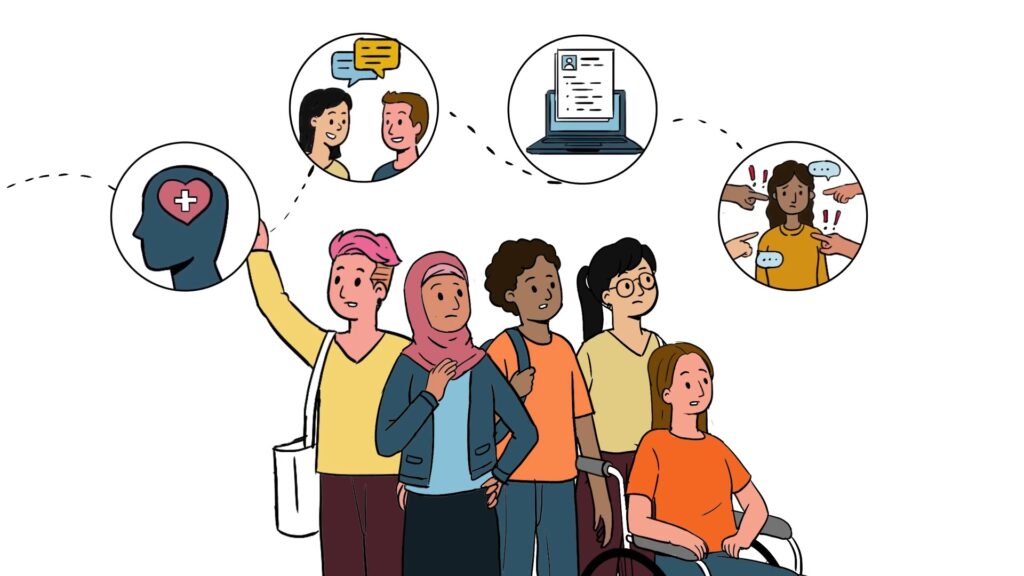
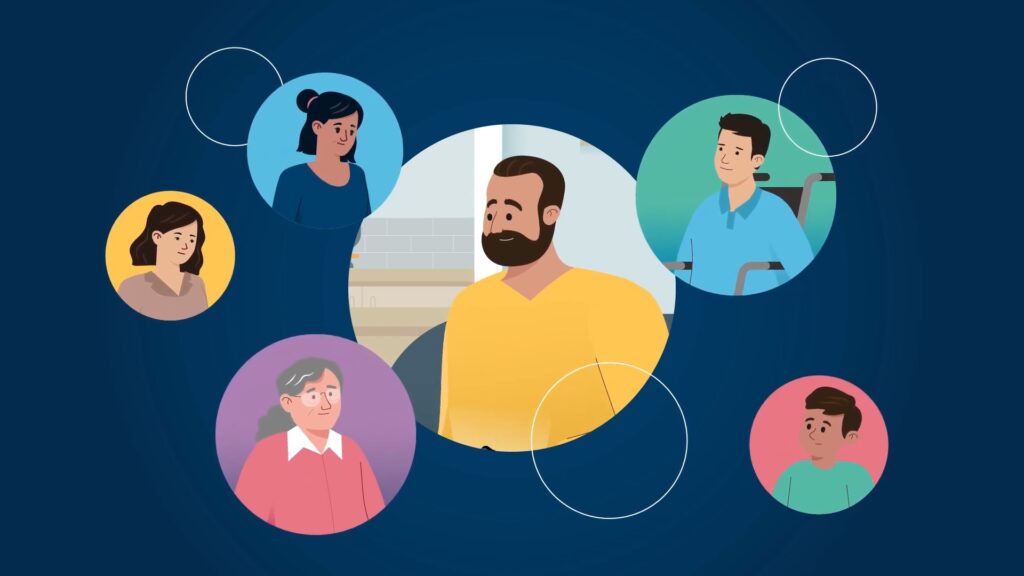
The audiences that government program managers most need to reach are often the least likely to encounter or engage with these formats. Younger community members, culturally and linguistically diverse residents, and people without strong existing relationships with local government are all harder to reach through traditional channels. And these are frequently the audiences that programs are specifically designed to serve.
Video content meets audiences where they already are: on social media, in their inboxes, in community centres, and on the screens of the devices they carry with them. A short, clear animated video explaining a grants program, a heritage initiative, or a community consultation process can reach those audiences in the places and formats they actually engage with. A PDF attachment cannot.
What Video and Animation Can Do That Nothing Else Can
For local government and heritage program teams, the specific value of explainer video and animation comes down to three things: clarity, accessibility, and emotional connection.
Clarity: complex programs with multiple steps, eligibility criteria, or technical components are genuinely difficult to explain in text. The grant application process for a heritage conservation project, for example, involves specific documentation requirements, assessment criteria, and timelines that are hard to communicate accessibly in a written format. An animated explainer that walks applicants through the process visually, step by step, significantly increases both comprehension and completed applications.
Accessibility: animated and video content can be produced in multiple languages, with captions, and with visual elements that communicate meaning without relying entirely on language proficiency. For councils serving diverse communities, this is not a small consideration. It is fundamental to equitable community engagement. A video that community members can watch in their first language, or follow visually without complete English comprehension, reaches a genuinely broader audience than any written communication.
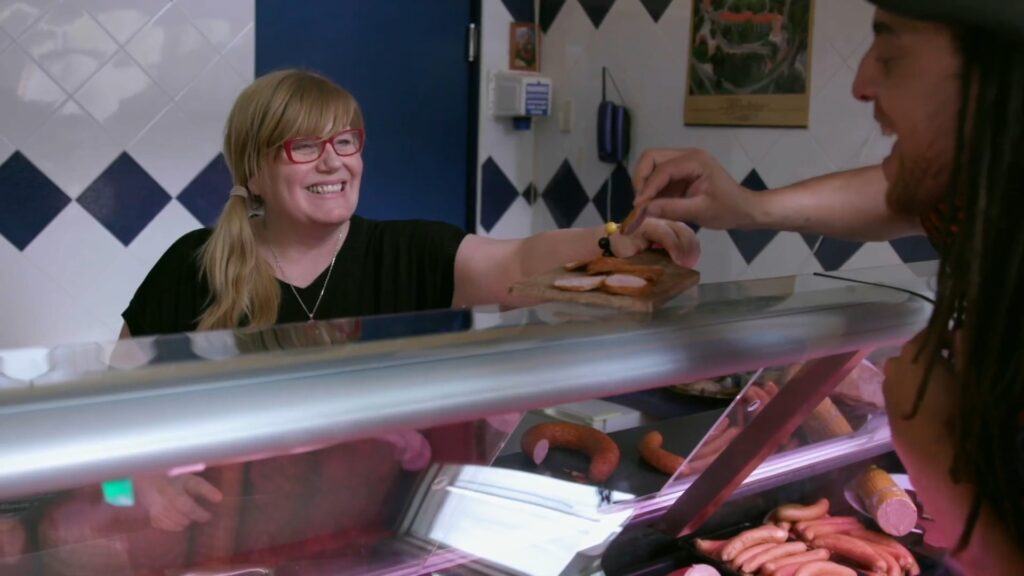
Emotional connection: community programs are ultimately about people and places. Video, and particularly live action video production, can capture the human dimension of a program in ways that written communications cannot. A short film about a local heritage site, featuring the voices of community members who grew up with that place, creates an emotional connection to the program that no fact sheet can replicate. It makes abstract programs feel real and relevant.
Animation for Programs, Live Action for Stories
The most effective local government communications strategies use animation and live action video for different purposes, and understand which format serves each communication goal.
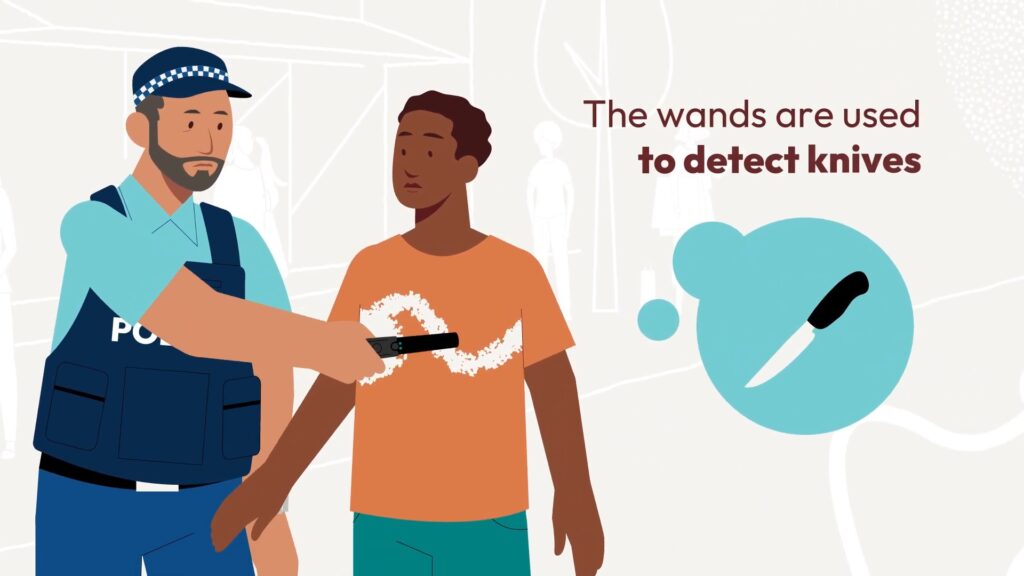
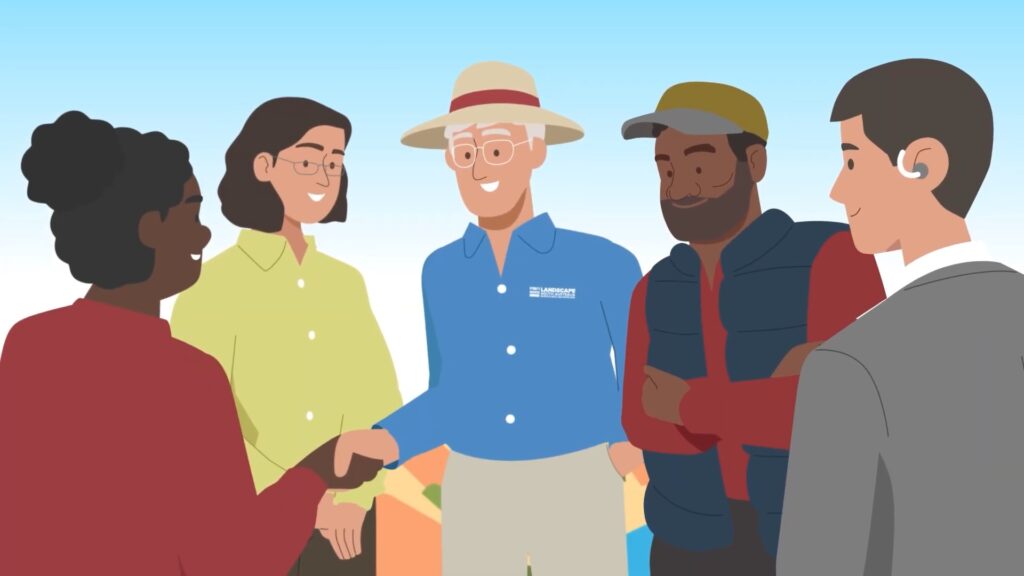
Animation works best for program explainers, process walkthroughs, public service information, and content that needs to reach multilingual communities. It is cost-effective to produce, easy to update as programs evolve, and can be translated and adapted without requiring new filming. For local council teams producing content about planning processes, services, or community programs, a library of well-produced animated explainers is a genuine long-term communications asset.
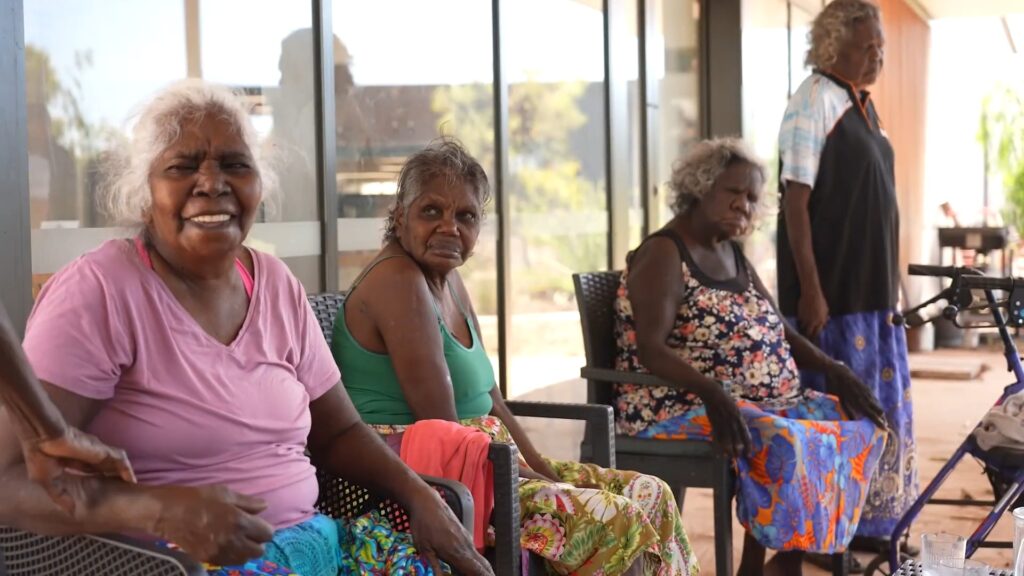
Live action video is more powerful for storytelling: capturing the voices of community members, documenting the impact of a heritage program, or building the kind of emotional engagement that drives people to participate in something they might otherwise have ignored. A short documentary-style video about a heritage conservation project, featuring the perspectives of traditional custodians and long-term community members, does something no animation can: it places real human experience at the centre of the narrative.
Many effective local government campaigns combine both approaches, using animation to inform and live action to inspire.
Planning Video Content Around Your Engagement Goals
The most common mistake government program teams make with video content is treating it as a standalone deliverable rather than a component of a broader engagement strategy. A video that is produced without clear answers to where it will be distributed, who will see it, and what action it is intended to prompt will underperform regardless of its production quality.
Effective video and animation content for community engagement starts with the engagement goal, not the production brief. What participation outcome does the program need? What does the community member need to understand, feel, or do to achieve that outcome? Which community segments are currently under-engaged, and why? Answering those questions first shapes everything that follows: the format, the visual approach, the language, and the distribution channels.
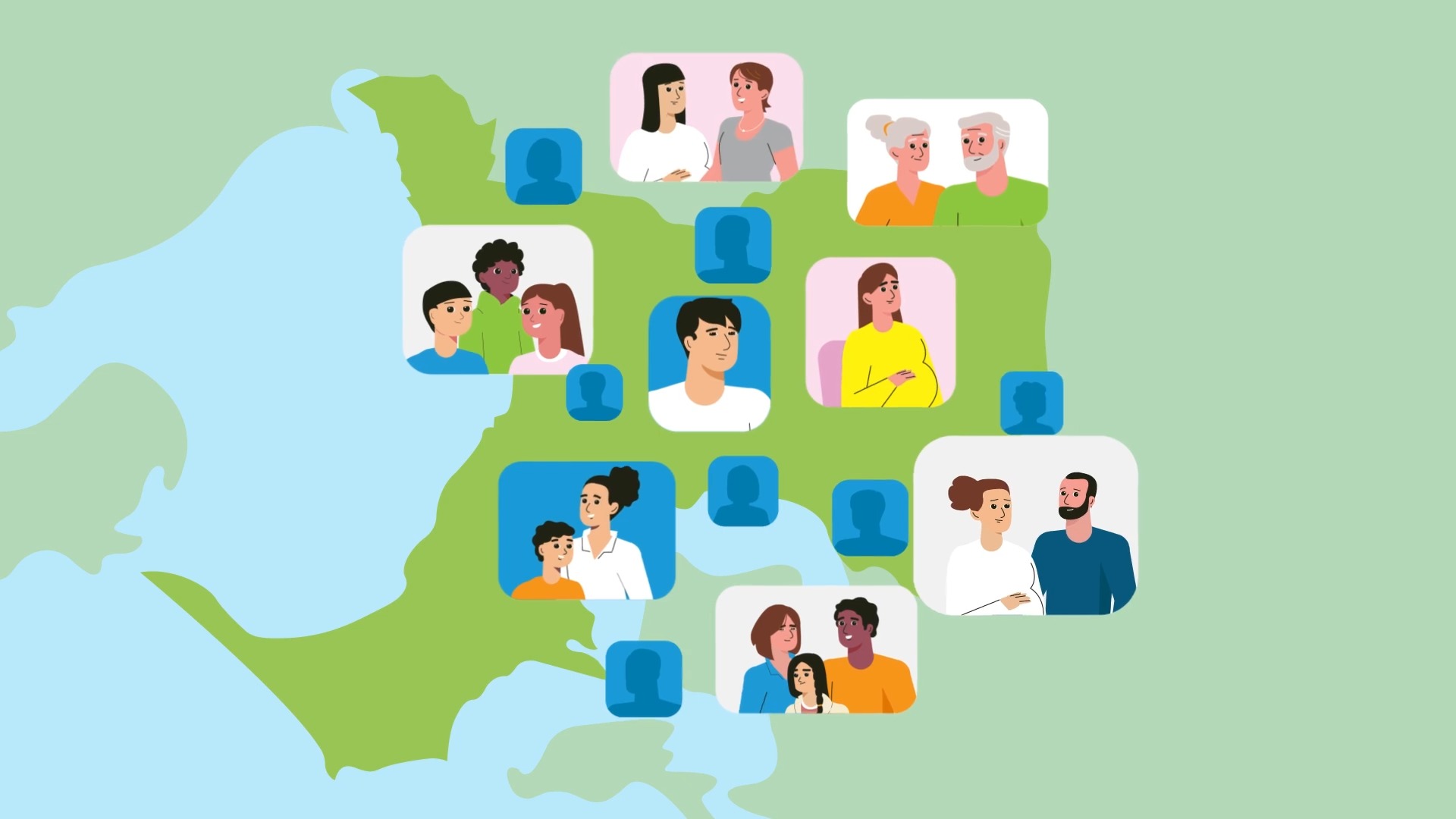
A thorough audience analysis before production begins is genuinely valuable here. For councils serving geographically and culturally diverse communities, understanding which segments are hardest to reach and why allows video content to be designed specifically around the barriers that currently exist, rather than produced generically and hoped to land.
The Return on Investment in Community Engagement Video
Government program managers are accountable for community outcomes, and video and animation content needs to justify its investment in those terms. The return on investment in community engagement video is most clearly visible in programs where participation directly determines success: grant programs, consultation processes, heritage initiatives, and community service uptake campaigns.
When a well-produced animated explainer increases grant applications from underrepresented communities, or a video campaign drives meaningful participation in a planning consultation, the value is tangible and documentable. These are outcomes that program managers can report to leadership, present in budget submissions, and use to build the case for continued investment in visual communications.
If your council or government program team wants to build a more engaged community around the work you are doing, video and animation production is one of the most practical investments available. Talk to the Punchy Studio team about your next program or campaign, or browse our portfolio to see how government and community organisations have used video to bring their programs to life.