The Problem With Playing It Safe
Not-for-profit organisations working in mental health, family violence, social isolation, and community wellbeing face a communication challenge that most corporate marketing teams never encounter. The subject matter is genuinely sensitive. Get the tone wrong and you risk re-traumatising the people you are trying to support. Oversimplify and you reduce complex human experiences to platitudes that resonate with no one. Play it so safe that nothing is said clearly, and the people who need the information most never receive it.
For communications managers in NFP and community sector organisations, this tension is constant. The instinct to protect audiences from discomfort can inadvertently produce content that fails to reach them at all. And yet the stakes of getting it wrong are genuinely high. In sectors where trust is foundational and community members are often already vulnerable, a misstep in tone or representation can damage relationships that took years to build.
This is precisely where thoughtfully produced animation has a particular and underappreciated role to play.
Why Animation Handles Sensitive Topics Differently
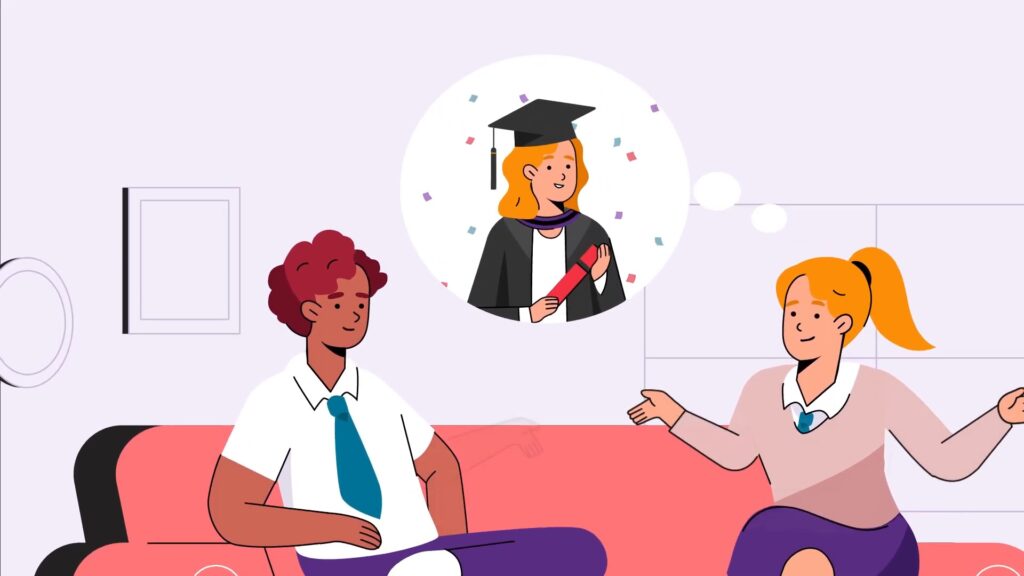
Animation creates a degree of narrative distance that live action cannot. When a story is told through illustrated characters, abstract visuals, or symbolic imagery rather than real faces and real voices, audiences can engage with difficult content without being confronted by it in a way that might trigger or overwhelm. That distance is not avoidance. It is a considered creative choice that allows the message to land more safely for a broader range of viewers.
This is well established in therapeutic and educational contexts. Animated storytelling has been used for decades to help children process trauma, explain medical procedures, and introduce concepts that would be too confronting in realistic form. The same principle applies to public-facing communications in the community sector. An animated video about experiences of domestic violence, for example, can acknowledge the reality of that experience with honesty and empathy, without placing a real person’s face and story on public display in a way that could expose or re-traumatise them.
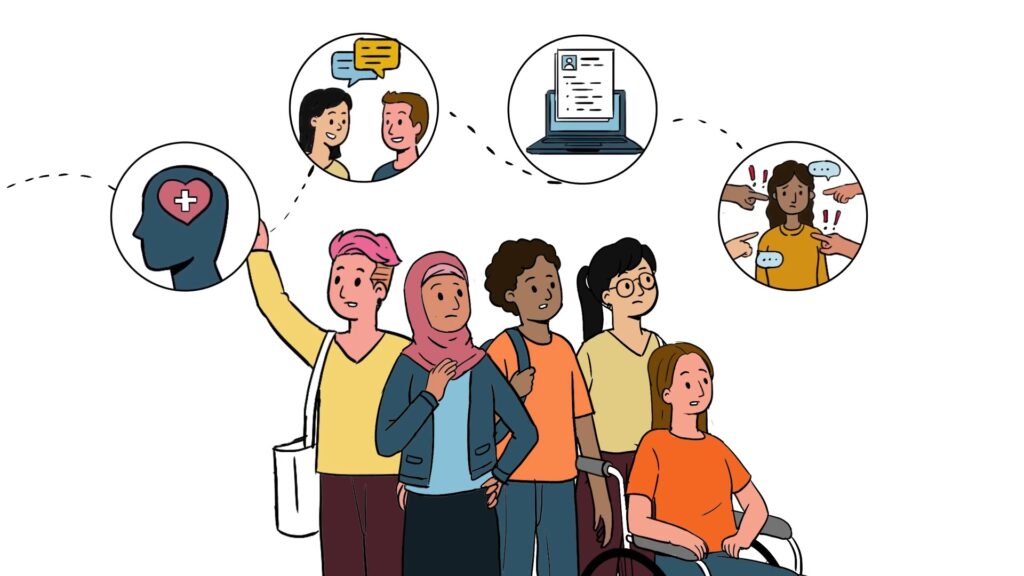
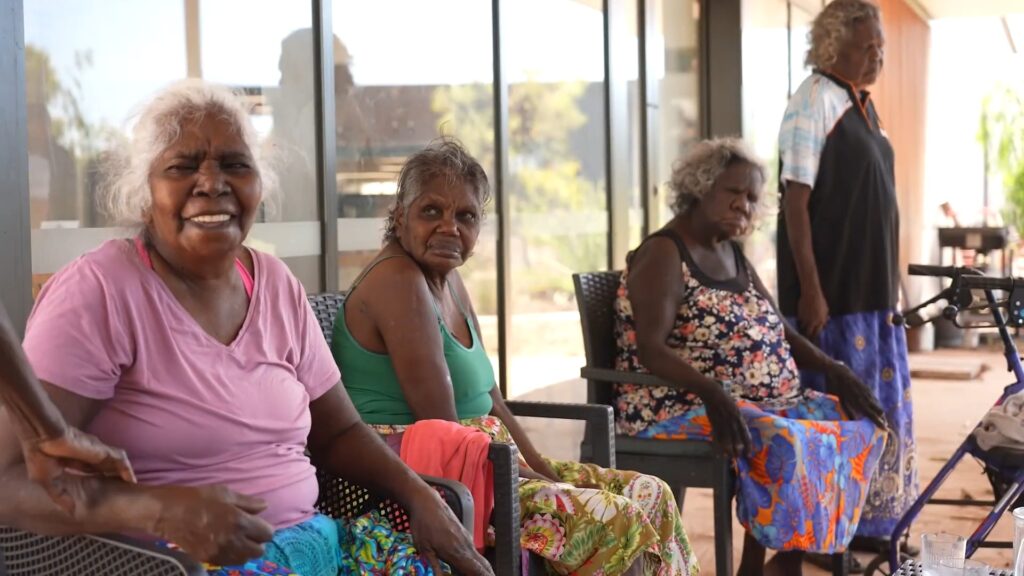
For organisations working with First Nations communities, CALD communities, or groups with historical reasons to distrust formal institutions, animation also offers cultural flexibility. Characters, environments, and visual language can be designed to reflect specific communities authentically, without the logistical and ethical complexity of live action casting and filming consent in sensitive contexts.
Getting the Brief Right Before Production Starts
The quality of an animated video for sensitive subject matter is almost entirely determined before a single frame is drawn. The creative brief needs to answer questions that go well beyond format and length.
Who is the primary audience for this content, and what is their likely relationship to the subject matter? Are they people with lived experience of the issue, carers, professionals, or the general public? Each of those audiences requires a fundamentally different tone, register, and level of assumed knowledge. An animated video about perinatal mental health that is designed for new parents navigating their own experience needs to feel very different from a version designed to upskill general practitioners.
What outcome do you want the viewer to feel or do after watching? This is not just a question about information transfer. For sensitive topics, the emotional outcome of the video matters as much as the informational one. Do you want people to feel less alone? More confident seeking help? Better equipped to support someone they care about? Clarity on this shapes the entire creative direction.
And critically: who needs to be involved in reviewing the content before and during production? For NFP teams, this typically means people with lived experience of the issue, community representatives, and clinical or subject matter advisors. Building their input into the production process from the outset, not as a sign-off step at the end, produces far better content and reduces the risk of costly revisions.
The Visual Language of Sensitivity
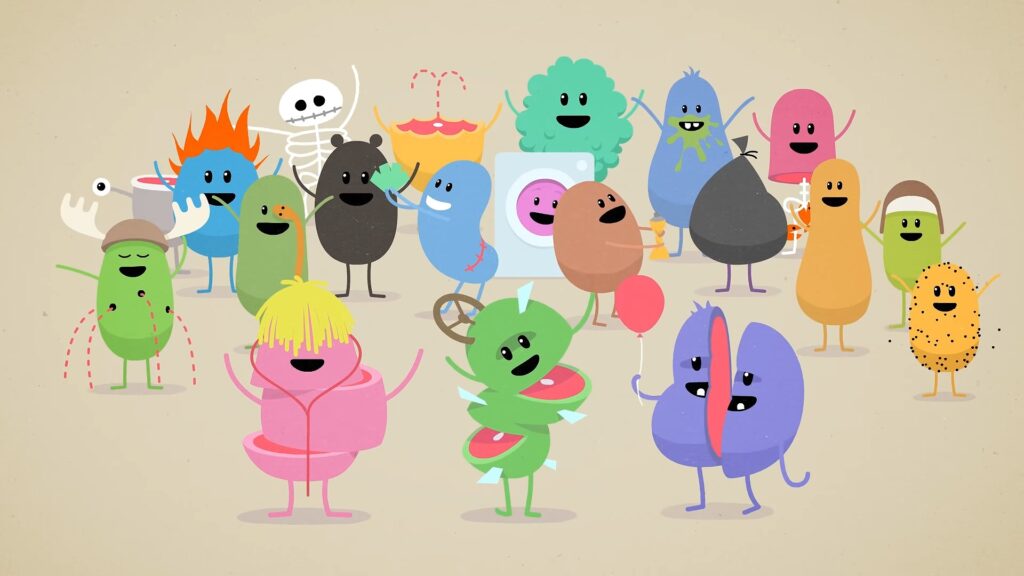
Not all animation styles suit sensitive subject matter equally. The visual language of an animated video sends a strong signal to viewers about what kind of experience to expect and how safe it is to engage. A brightly coloured, playful illustration style that works well for a service explainer video can feel tonally inappropriate for content about grief, mental illness, or family violence.
Colour palette, character design, line weight, movement speed, and sound design all contribute to the emotional register of an animation. For sensitive topics, this typically means muted or naturalistic colour palettes, character designs that feel human and relatable without being stylised to the point of unreality, thoughtful pacing that gives ideas room to breathe, and sound design that supports rather than dramatises the content.
This is where working with a production team that has genuine experience in the community and NFP sector matters. Sensitivity in visual communication is not an instinct that transfers automatically from commercial animation work. It is built through repeated engagement with the specific contexts, communities, and ethical considerations that shape how this kind of content is received.
Accessibility Is Not Optional
For not-for-profit organisations working with diverse communities, accessibility in video content is a core ethical commitment, not a technical add-on. Closed captions for Deaf and hard-of-hearing community members, audio description for community members with vision impairment, translated versions for CALD audiences, and plain language scripting for people with lower health or digital literacy are all part of producing video and animation content that genuinely reaches everyone it is designed for.
This is particularly relevant for NFP organisations communicating about mental health, social services, or community programs, where the audiences who most need the information are often also the audiences least well served by content that assumes high literacy, English proficiency, or full sensory access. Building accessibility requirements into the production brief from the start is far more cost-effective than retrofitting them afterwards, and it produces better outcomes for the communities the organisation exists to serve.
Measuring Whether Sensitive Content Is Working
Evaluating the impact of sensitive communications content requires a different approach from standard campaign analytics. Watch rates and click-throughs tell you something, but they do not tell you whether the content created the emotional or behavioural outcome it was designed for.
NFP organisations producing video and animation content on sensitive topics benefit from building in community feedback mechanisms from the outset. This might mean testing content with a small group of community members before full distribution, collecting qualitative feedback on how the content felt to watch, or tracking downstream indicators like helpline call volumes or service referrals in the period following a campaign.
This kind of evaluation takes more effort than standard metrics, but it produces genuinely useful information about what is working and why. And for organisations that need to justify communications investment to boards and funders, evidence of community impact is far more compelling than engagement data alone.
If your NFP team is navigating the challenge of communicating sensitively and effectively about difficult topics, animated video is worth serious consideration. Reach out to the Punchy Studio team to talk through your specific communication challenge, or explore our portfolio to see how community sector organisations have used animation to tell stories that matter with the care they deserve.