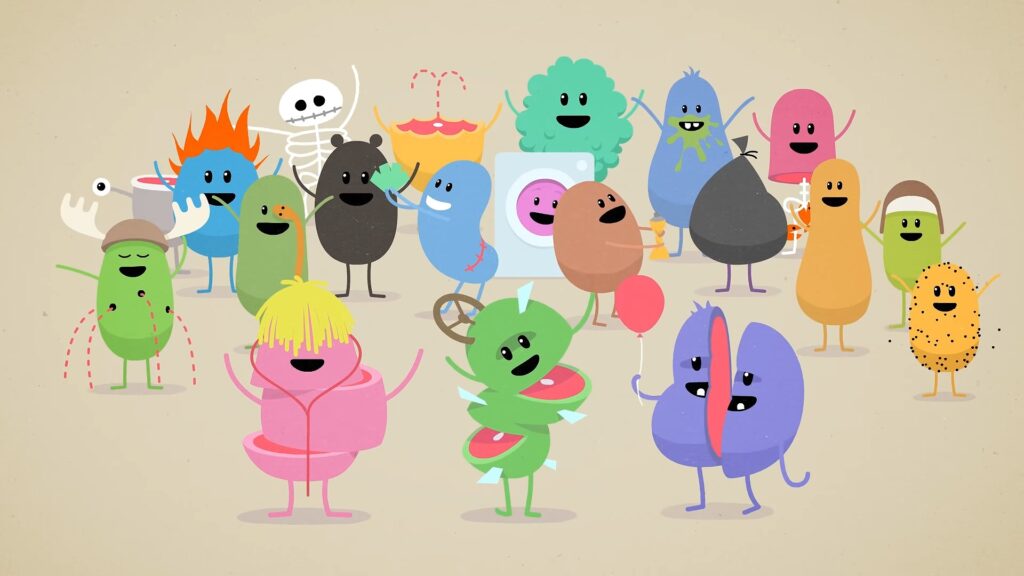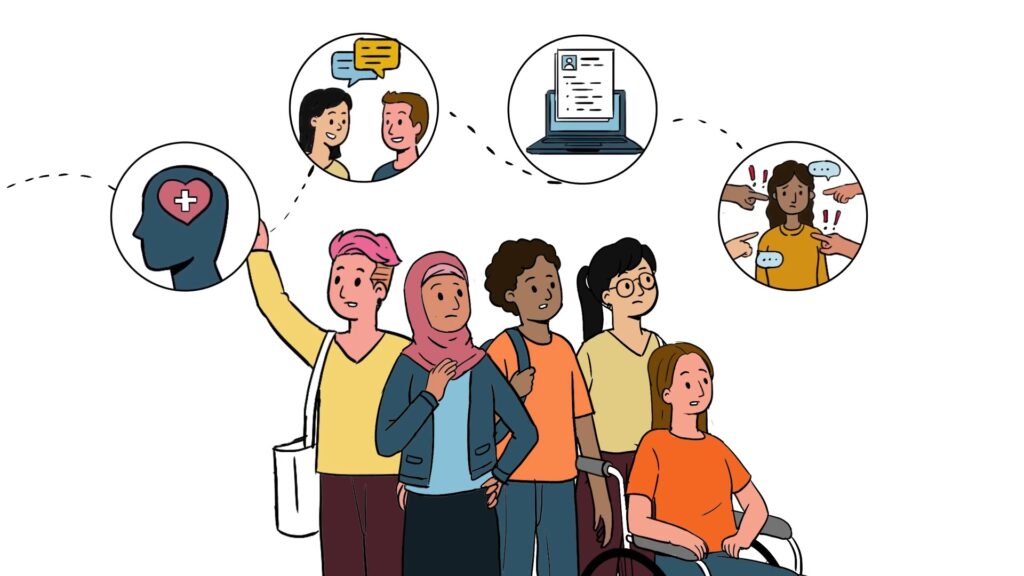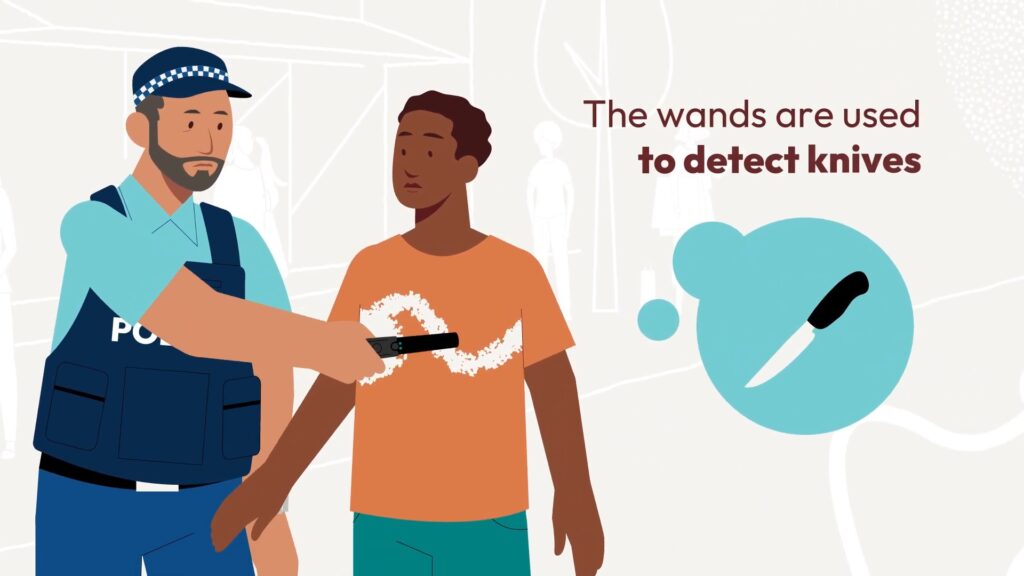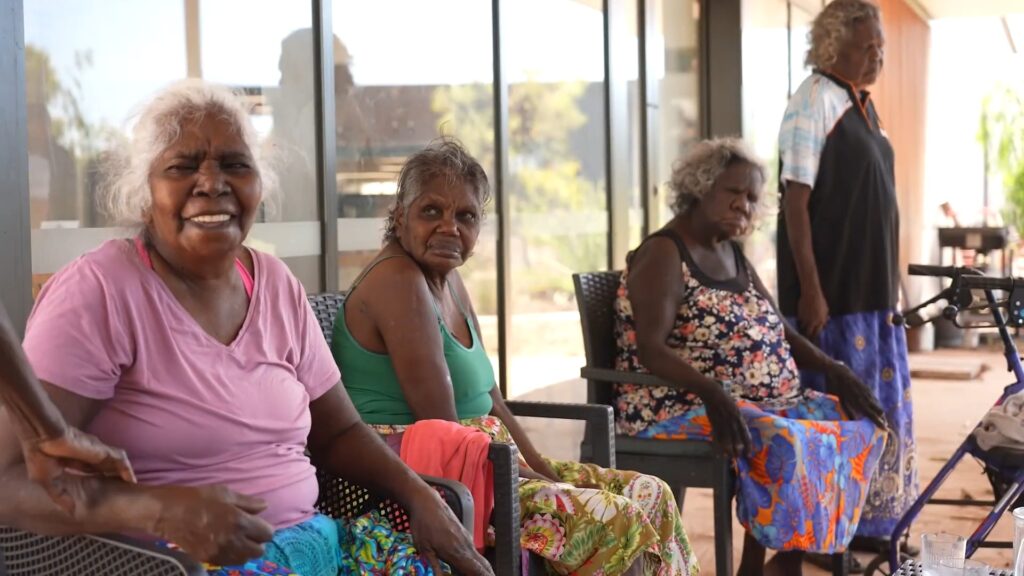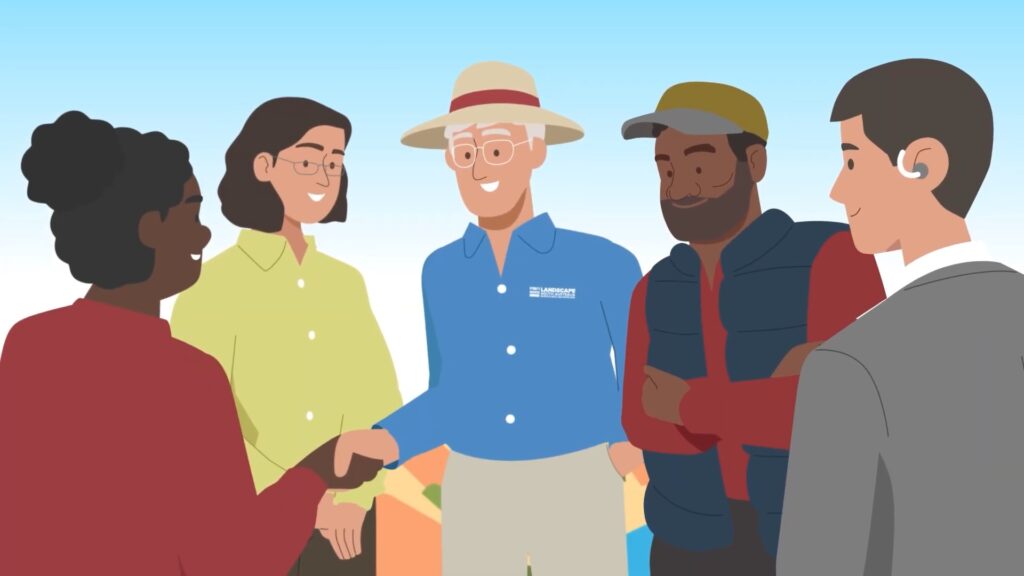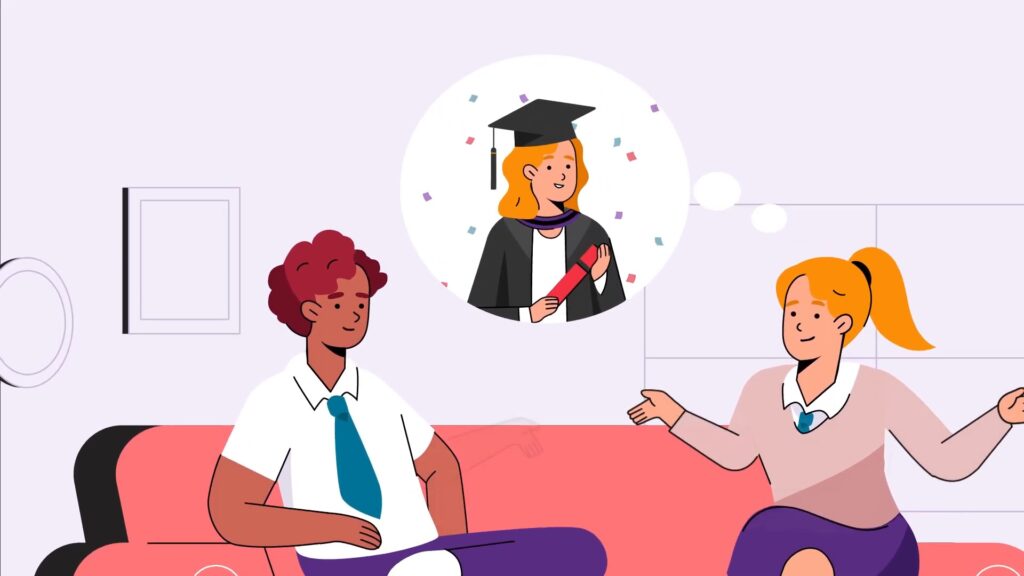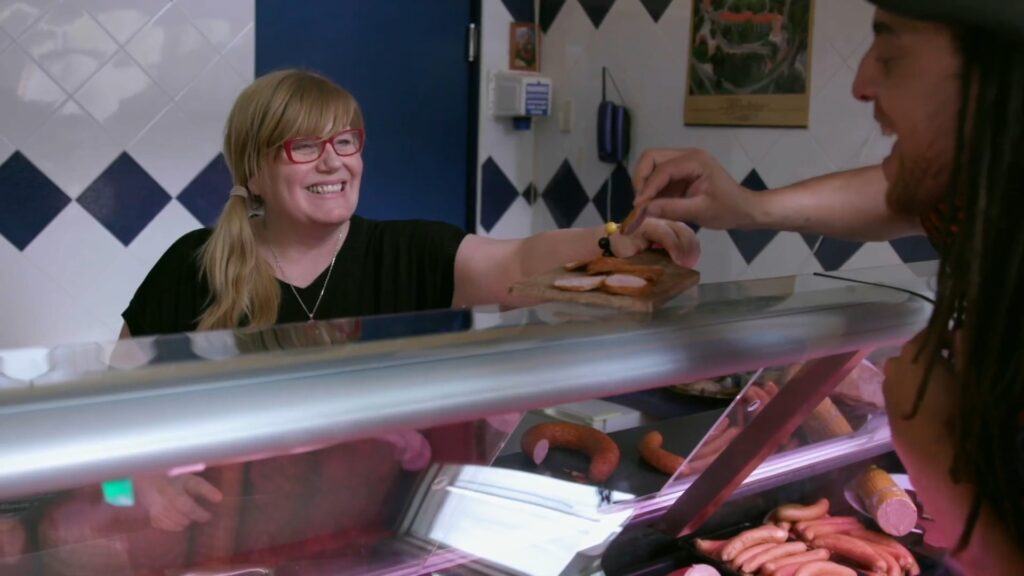
Animated videos for government agencies are short, scripted explainer or training videos that use illustration and motion graphics to communicate policy, regulation, public safety, or service information in a way that is easier to understand than dense text or formal documents. They are used by federal departments, state agencies, statutory bodies, and local councils to lift public comprehension, drive behaviour change, and reach audiences that traditional written communications consistently fail to engage.
That matters because public trust in government communications is not a given. The 2023 OECD Trust Survey found that just 46% of Australians reported high or moderately high trust in the federal government, above the OECD average of 39% but still meaning more than half the population approaches government communications with scepticism. At the same time, 31.5% of Australia’s population was born overseas as of 2024, according to the Australian Bureau of Statistics, which means a substantial share of the community needs content that communicates clearly across language and cultural barriers, not just the written word.
Punchy Studio is an animation studio that has worked extensively across the federal government and state government sectors. Over 15+ years we have produced more than 1,500 videos and 6,000+ minutes of content across government, healthcare, not-for-profit, and education clients. Our work spans public safety campaigns, regulatory education, multilingual service explainers, and behaviour change programs delivered at scale.
This post is a portfolio of 11 animated videos we have produced for government agencies across Australia, drawn from real briefs covering public safety, regulatory compliance, service education, behaviour change, and multilingual community engagement. It is written for communications managers, digital content leads, and program officers inside government agencies, statutory bodies, and regulatory commissions who are weighing up whether animation is the right tool for their next project, and what it can achieve in the public sector context.
Types of Animated Videos for Government Agencies
The 11 examples in this post fall into four working categories, and which one you are in shapes everything from tone to visual approach to where the video gets deployed.
1. Public safety and emergency communications
Short, action-oriented videos designed to give residents clear and memorable steps for emergencies, natural disasters, or high-risk situations. The job is to make one or two critical behaviours stick under pressure. These are typically deployed across digital platforms, government portals, and community channels before and during events. Our explainer video service handles most of this work.
2. Regulatory and compliance education
Animations built to help the public, businesses, or licensed professionals understand their rights, obligations, or the role of a regulating body. These require precise, legally reviewed scripting alongside clear visual explanations of frameworks that would otherwise sit buried in legislation or formal notices. Our training video service covers this category when the audience is a workforce or professional cohort.
3. Behaviour change campaigns
Animations built around a specific audience and a specific behavioural goal. These typically begin with audience research to surface the real barriers to behaviour change, and are deployed across paid social, YouTube, and community channels. Tone and authenticity drive outcomes more than production value in this category.
4. Service and entitlement education
Animations that explain what a government scheme, program, or service actually does, and how residents or businesses can access it. These sit at the intersection of accessibility and equity: the people most likely to miss out on entitlements are often the ones least equipped to navigate formal documentation. Animation removes that barrier at scale.
The 11 examples below cover all four categories. Where relevant, we have flagged which category each falls into.
11 Best Animated Video Examples for Government Agencies
1. NSW Department of Planning and Environment
The NSW Department of Planning and Environment (DPIE) is responsible for the protection and management of NSW’s natural environment. Koala populations in NSW have been under sustained pressure from habitat loss, vehicle strikes, disease, and climate change, and the department needed to communicate its long-term conservation strategy to a broad audience spanning local councils, Aboriginal communities, and the general public. The challenge was to make a strategy document feel like a genuine commitment rather than a bureaucratic summary.
The animated explainer we produced highlights the key pillars of the department’s conservation approach, including the expansion of national park habitats, on-ground delivery in partnership with the Biodiversity Conservation Trust, and targeted interventions at vehicle strike hotspots. The visual style is warm and grounded rather than clinical, and the voiceover frames collective action as both achievable and necessary. Custom animation keeps the focus on outcomes rather than process, making invisible conservation efforts visible.
We produced this for DPIE for deployment on the department website and social media channels. The piece draws on our experience producing content for state government agencies communicating environmental and community programs at scale.
2. NSW State Emergency Service
The NSW State Emergency Service (SES) is the lead agency for flood, storm, and tsunami emergencies in NSW. Flood preparedness is a public safety communication challenge where residents typically underestimate the risk and can face serious injury or death. The brief was to produce a clear, memorable resource that guides residents through risk assessment, emergency planning, and the critical life-safety decisions that apply during a flood event.
The animated explainer we produced uses clear visual metaphors and a step-by-step narrative to carry the most important messages, including the non-negotiable warning to never drive, ride, or walk through floodwater. The voiceover is authoritative without being alarmist, and the pacing gives viewers enough time to absorb each step without switching off. Motion graphics reinforce key contact information, including the translating and interpreting service for multicultural communities, recognising that in a genuine emergency, language barriers cost lives.
We produced this for the SES for deployment across NSW Government digital channels and emergency management portals. Public safety content of this kind sits within our broader state government communications work, where accuracy and clarity are the only metrics that matter.
3. Australian Skills Quality Authority
The Australian Skills Quality Authority (ASQA) is the national regulator for Australia’s vocational education and training sector. With the 2025 Standards for RTOs rolling out, ASQA faced a dual communication challenge: arm students with the knowledge to recognise poor practice and understand their rights, while showing quality providers that the new standards represented a competitive opportunity, not just a compliance burden. A single video for both audiences would not have worked. The motivations are different, and the messaging needed to reflect that.
The two videos we produced for ASQA take that dual-audience insight as their structural premise. The student-facing video uses a supportive female voiceover and clear animated visuals to walk viewers through identifying bad practice and reporting to ASQA, closing on a direct call to action. The provider-facing video uses an authoritative male voiceover positioned at industry decision-makers, reframing the new standards not as regulatory obligations but as a chance to differentiate and build competitive advantage. Same brief, different audiences, different treatments.
We produced both videos for ASQA as part of the 2025 Standards rollout. This work draws on our experience with federal government regulatory agencies where audience segmentation is as important as production quality.
Check out the full case study here.
4. Australian Institute of Family Studies
The Australian Institute of Family Studies (AIFS) is the Australian Government’s key research body on family wellbeing. Their “What is a Family?” survey produced findings showing love and unconditional support ranked as the defining characteristics of family, with only 30% of respondents rating legal ties as important. LGBTQ+ respondents were almost twice as likely to view blood or genetics as unimportant. The research was newsworthy, but turning dense survey data into content that would resonate emotionally without losing research integrity was a genuine creative problem.
We produced two distinct video formats with complementary purposes. The 60-second animated explainer distils the key research findings into accessible, shareable content for social distribution. The companion live action hero video took a different approach entirely. It showed real families sharing personal definitions of family through unscripted moments, with diverse family structures represented including chosen families, pets, and non-traditional arrangements.
This is a useful illustration of how animation and live action can serve different roles in the same campaign. The animation handles the research layer, giving viewers a clear and shareable frame. The live action carries the emotional and testimonial layer where the human face does more work than any illustrated character can.
We produced both formats for AIFS as part of a coordinated campaign that supported 140+ media interviews and reached multiple audience segments.
Check out the full case study here.
5. Victorian Department of Education
The Victorian Department of Education needed to reach prospective international students aged 12 to 18, primarily from China, Vietnam, and India, and give them a genuine sense of what life at a Victorian government school would feel like. Most had limited English. Most relied on their parents to interpret the information. And most were anxious. The existing pre-departure resources were thorough but institutional, and for an audience whose concerns are primarily emotional, a procedural explainer was not going to do the job.
We produced three animated videos, each deliberately cast with a different narrator to match the emotional context. “What to Expect When Arriving in Victoria” is narrated by an international student walking viewers through a typical school day, showing rather than selling. “Overcoming Homesickness” and “Staying Safe” switch narrators to a homestay parent, which reframes safety information from a bureaucratic warning into a direct and human welcome. The same advice about scams, road rules, and emergency contacts reads entirely differently when delivered by the person the student will actually live with.
We worked with multicultural communications agency, Ethnolink on translations into Simplified Chinese, Vietnamese, and Hindi to ensure each version landed for families across the three priority markets.
We produced this series for the Victorian Department of Education for use across recruitment and pre-departure briefing channels.
Check out the full case study here.
6. NSW Electoral Commission
The NSW Electoral Commission ran a “Stop and Consider” campaign ahead of a state election to encourage voters to pause and think critically about election information, particularly content circulating online. With synthetic content and misinformation becoming a growing concern in democratic processes, the brief was to give voters a simple, memorable behavioural prompt: stop, check the source, think before sharing.
The animated video we produced used contemporary illustration style with strong typographic moments that reinforced the campaign line without lecturing. A measured voiceover and clean motion graphics carry the piece without overloading viewers with detail.
We produced this video as part of a series for the NSW Electoral Commission for deployment across digital advertising, social media, and voter education channels during the campaign window. The work sits within our broader state government communications practice, and reflects the value of a clear content strategy when tone is as important as message.
7. NT Motor Accidents Compensation Scheme
The Motor Accidents Compensation (MAC) scheme is a no-fault insurance program providing support to people injured in motor vehicle accidents in the Northern Territory. No-fault insurance is conceptually simple but practically confusing as many residents do not know the scheme exists, do not understand what it covers, and are unaware of the strict time limits on lodging claims.
The animated explainer we produced walks viewers through the scheme’s core features. The voiceover is informative rather than transactional, and the pacing gives viewers room to absorb the information rather than rattling through a list of conditions. Clear motion graphics close the piece on the direct contact number and website for initiating a claim.
We produced this for the MAC scheme for deployment on the scheme website to help territory residents understand their rights and the importance of acting promptly. The work reflects our state government experience producing service education content where accessibility directly affects whether people receive the support they are entitled to.
8. Country Fire Authority
The Country Fire Authority (CFA) is Victoria’s volunteer and community-based fire and emergency services organisation. The Australian Fire Danger Rating System (AFDRS) uses a colour-coded scale to communicate daily risk levels, from moderate conditions up to catastrophic, each with a different recommended response. For the system to work, the public needs to understand what each rating means and what they should do about it. A misunderstood rating system is worse than no rating system as it gives people false confidence or triggers the wrong response at the wrong time.
The animated video we produced for the CFA uses the official colour-coded rating scale as the visual anchor, guiding viewers through the safety precautions appropriate for each stage. The approach focuses on life-saving behavioural advice, including the recommendation to leave high-risk bushfire areas early in the morning or the night before a catastrophic-rated day. A calm, authoritative voiceover prevents the content from tipping into panic while keeping the seriousness of the highest ratings front and centre. Bold motion graphics close the piece by directing Victorians to check their local fire weather district ratings daily and stay connected to official warnings.
We produced this for the CFA for deployment across CFA digital platforms and Victorian emergency portals. Public safety animation of this kind, where the visual system itself is load-bearing, sits at the core of what our state government communications work does well.
9. NSW Independent Commission Against Corruption
The NSW Independent Commission Against Corruption (ICAC) is an independent agency established to prevent and investigate corrupt conduct in NSW. Despite being a well-known institution, ICAC is frequently misunderstood as many people believe it operates like a court, that it can sentence individuals, or that its function is purely investigative. These misconceptions affect public trust in the commission and reduce the effectiveness of its community education role. The brief was to debunk common myths clearly and precisely without making the piece feel defensive.
The animated explainer we produced walks viewers through a series of factual corrections about ICAC’s powers and accountability structures. It explains that while ICAC can make findings of corrupt conduct, determinations of criminality and sentencing remain the responsibility of the courts and the Director of Public Prosecutions. It also covers ICAC’s accountability to a parliamentary committee and an external independent inspector, providing context that most members of the public do not have. The approach treats the audience as capable of understanding the nuance once it is explained clearly, which is the correct assumption for a statutory body trying to build legitimate public trust.
We produced this for ICAC for deployment on the commission website and in educational training for public officials. The work reflects our experience producing regulatory and governance communications for state government agencies where precision is not optional.
10. WA Department of Energy, Mines, Industry Regulation and Safety
The Department of Energy, Mines, Industry Regulation and Safety (DMIRS) regulates workplace relations and industrial safety across WA, with the Wageline service providing employers and employees with guidance on state-system entitlements. Following an earlier round of Wageline animated explainers we produced, the Private Sector Labour Relations team returned with a brief for three new animated explainers and three short-form promotional social videos. This Long Service Leave piece is the short-form social introduction to the entitlement, designed to drive viewers toward the full Wageline explainers on the department website.
The video was produced within the established Wageline animation style, ensuring visual continuity across the whole explainer series. Social tiles were built alongside the video to extend the campaign’s reach across DMIRS’s channels. Working within an established visual system on a returning brief is a different production challenge to building from scratch as it requires fidelity to the existing style while keeping the content fresh for audiences who have seen earlier instalments.
The project reflects the kind of ongoing government communications partnership our state government work is built around, where a strong visual system and clear distribution strategy across channels compound the value of each new asset.
11. QLD Motor Accident Insurance Commission
The Motor Accident Insurance Commission (MAIC) administers Queensland’s compulsory third party (CTP) insurance scheme. This video focused on the rehabilitation side of the scheme: for injured Queenslanders accessing CTP benefits, understanding what rehabilitation covers, how it is accessed, and how it sits alongside medical treatment is often the difference between engaging with available support or not. People in the CTP claims process are often already stressed and disoriented. A confusing or jargon-heavy explanation of rehabilitation entitlements will not be read. An animation can be absorbed.
The animated explainer we produced aligned with a previously delivered CTP Scheme Overview video, maintaining visual consistency across MAIC’s explainer series. The piece walks through what rehabilitation means in a CTP context, the types of support available, how it is accessed, and what claimants can expect at each stage. A clean illustration style paired with a measured voiceover holds a calm and reassuring tone throughout, appropriate for an audience who may be watching while managing a recovery.
We produced this for MAIC for deployment across the MAIC website and claimant-facing communications. The work reflects our state government experience producing service education content where clarity of entitlement information has a direct effect on whether people access the support they need.
Animation vs Live Action for Government Agencies
When clients come to us with a government brief, the question of animation versus live action comes up early. Both have a place, and the AIFS example in this post illustrates how they can work together within a single campaign, with each format doing what it does best. Here is how we think about the choice.
Animation is usually the right call when:
- The subject matter is abstract, procedural, or invisible (insurance entitlements, rating systems, regulatory frameworks, conservation programs).
- The audience needs to see themselves represented, and that representation needs to be controlled across cultural diversity, age, language group, or family structure.
- The message is high-stakes or anxiety-inducing, and animation’s visual warmth makes it more accessible than realistic footage (emergency preparedness, scheme entitlements, sensitive compliance topics).
- The video needs to age well across years of deployment on a government website or portal, where filmed footage of offices, staff, or settings would date it.
- Multilingual versions are required, making voiceover-swap and subtitle workflows much simpler than re-filming. Our state government and federal government work frequently involves multilingual delivery.
Live action is usually the right call when:
- Authenticity is the entire point (a minister’s address, a community testimonial, a frontline worker explaining a program they run).
- You need viewers to trust that they are seeing a real person, not a stylised representation.
- The setting itself is the message (a research facility, a remote community service, an emergency operation).
- You are producing a case study video for an internal stakeholder, a board, or a program funder.
In practice, government communications programs often use both. A clear strategy and understanding of your audience before production starts is what can make a combination work.
FAQs
What is an animated video for government agencies?
An animated video for a government agency is a short, scripted video that uses illustration, motion graphics, and voiceover to communicate policy, regulation, public safety information, or service entitlements to a general or specialist audience. They are typically between 60 seconds and three minutes long, and are used by federal departments, state agencies, statutory bodies, and local councils to improve public comprehension, drive specific behaviours, support compliance education, or reach communities that written materials fail to engage. Unlike live action, animation allows full control over representation and visual content, which matters for government agencies communicating across diverse communities. The 11 examples in this post span public safety, regulatory education, behaviour change, multilingual service delivery, and entitlement information.
How long should a government animation be?
For public-facing government animations, 60 to 90 seconds is the practical ceiling for most behavioural or awareness messages. Audiences engaging with government content online are not in a patient frame of mind, and attention falls sharply past two minutes. Public safety and emergency content should be shorter as in a genuine emergency, a 90-second video is too long. For regulatory and compliance education aimed at professionals, two to four minutes is workable because the audience has a clear reason to finish. For training or professional development content aimed at agency staff or licensed practitioners, our training video work regularly runs to five minutes or more. If a script will not fit into the target length, the answer is usually to narrow the scope or split it into a series, as demonstrated by the DMIRS Wageline series and the Victorian Department of Education’s three-part international student series in this post.
How much does a government animation cost in Australia?
Government animation pricing in Australia varies significantly depending on scope, length, production complexity, and the surrounding work required. A 60 to 90 second animated explainer with a single voiceover and standard 2D character work typically sits in the mid four-figure range. Projects that require dedicated audience research, multilingual delivery, accessibility outputs (captioning, Auslan, transcripts), or multiple rounds of stakeholder and legal review will run higher. Government procurement often involves additional lead time for approvals and brand compliance, which affects total project cost. The biggest cost drivers are usually not the animation itself but the surrounding work: script development, stakeholder consultation, revisions, and distribution asset production. For a scoped estimate based on your brief, get in touch.
Why use animation instead of live action for government communications?
Animation gives government agencies control over representation, content, and tone in a way live action cannot. It removes the logistical and ethical complexity of filming real staff, clients, or community members, and allows any scenario, process, or system to be visualised regardless of whether it can be filmed. For agencies communicating across culturally and linguistically diverse communities, animation makes multilingual delivery far simpler: voiceover swaps and subtitle additions are standard, rather than the re-filming and casting challenges that come with live action. Animation also ages better. A well-produced piece can sit on a department website for five years without looking dated, which matters for scheme explainers and service education content with long deployment windows. Live action remains the better choice when authenticity is the point, particularly for ministerial or community spokesperson content, frontline worker testimonials, or fundraising and advocacy pieces where a real human face does more work than an illustrated character can. Many government communications programs use both formats within a broader content strategy.
What government topics work best for animation?
Animation works well for topics that are abstract, procedural, multilingual, or high-stakes. This includes public safety and emergency preparedness (CFA, NSW SES), regulatory and compliance education (ASQA, ICAC), insurance and entitlement schemes (MAC NT, MAIC QLD, DMIRS), and environmental and conservation programs (DPIE). It is also effective for behaviour change campaigns where the audience is resistant to formal authority framing, as the NSW Electoral Commission “Stop and Consider” campaign demonstrates. Where animation is particularly strong in government contexts is in multilingual delivery as the Victorian Department of Education series was translated into three languages without re-filming, which would have been prohibitively expensive in live action. Topics that work less well for animation are those where a real person’s credibility is the entire message, including ministerial announcements, community consultations, or first-person testimonial content.
How do you measure the success of a government animation?
Success measurement should be defined before production starts. For public-facing content, the useful metrics are usually reach (did the video find the right audience), comprehension (do viewers understand the information), and behaviour change (did they take the next action, whether that is lodging a claim, visiting a website, downloading a plan, or reporting an incident). For regulatory and compliance content, completion rates and downstream behaviour in the target system are the most meaningful signals. For training content aimed at government staff or practitioners, knowledge retention and uptake of the procedure or framework taught are the measures that matter. Distribution channel decisions made before production starts, covered in our distribution strategy work, make all of these measurable. A video that is produced without a defined distribution and measurement plan is significantly harder to evaluate.
Can government agencies use animation for multilingual audiences?
Yes, and it is one of the strongest use cases for animation in the public sector. According to the ABS, 31.5% of Australia’s population was born overseas as of 2024, and over 5.5 million Australians speak a language other than English at home. For government agencies with a legal or policy responsibility to reach all residents, producing content only in English creates a structural accessibility gap. Animation simplifies multilingual delivery because the same illustrated content works across language versions: only the voiceover and any on-screen text need to change, rather than re-filming entirely. The Victorian Department of Education series in this post was delivered in English, Simplified Chinese, Vietnamese, and Hindi using this approach, working with Ethnolink on translation and cultural review. Multilingual animation sits within our broader work producing content for First Nations and culturally diverse audiences across the government sector.
Conclusion
Across these 11 examples, the pattern that holds is not about visual ambition or production scale. The strongest government animations are the ones where the audience was understood before scripting began, the brief was tight enough to produce a video that does one thing well, and the tone was calibrated to the moment the viewer is actually in: preparing for a flood, trying to understand an insurance claim, processing an election alert in a social feed, or watching a pre-departure briefing in another language.
Animation gives government agencies control over all of those variables in a way live action rarely can. That is why it has become the default format for public safety, service education, regulatory communication, and multilingual outreach across Australian federal, state, and local government.
Where live action belongs alongside it, as the AIFS campaign demonstrates, is in the emotional and testimonial layer with real people, real stories, real faces. The two formats are not in competition. Used within a clear content strategy, they compound each other’s effectiveness.
If you are scoping an animated video for a government agency, statutory body, or regulatory commission, we would be glad to talk through your brief, the audience you are trying to reach, and the format and length that will land best. Get in touch to book a call.
Sources
- Australian Bureau of Statistics (2025), Australia’s Population by Country of Birth. https://www.abs.gov.au/statistics/people/population/australias-population-country-birth/latest-release
- OECD (2024), Drivers of Trust in Public Institutions in Australia. https://www.oecd.org/en/publications/drivers-of-trust-in-public-institutions-in-australia_28a876c2-en.html