When La Trobe University and MindCare Collective came to us with this brief, the main thing they wanted to avoid was scaring people.
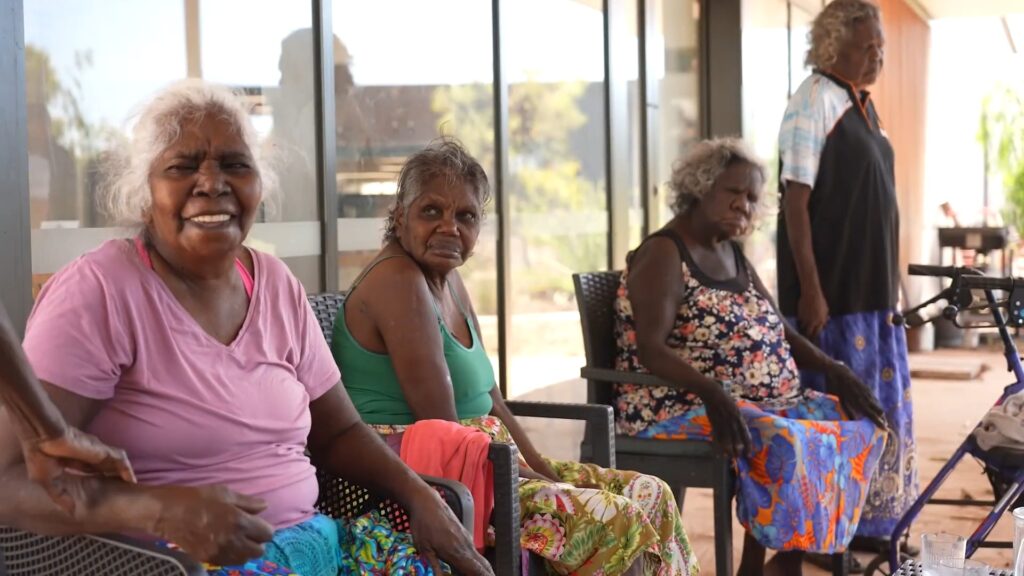
The project was a single three-minute animation on dementia prevention, targeting people over 45 from culturally and linguistically diverse (CALD) communities across Australia.
La Trobe’s brief cited research showing that small, everyday lifestyle changes can reduce dementia risk by nearly half, and that was the foundation they wanted to build on. But they were also clear that the subject carries real fear in many communities, where cognitive decline is often assumed to be an inevitable part of ageing.
The brief asked us to help people feel informed and motivated, not anxious.
The Challenge
La Trobe were direct about what they didn’t want. They didn’t want urgency-led framing, worst-case scenarios, or anything that leaned on fear to motivate action. They wanted something people would actually watch and feel good about rather than switch off.
The nine-language translation requirement added another layer of complexity. The video would be translated into Arabic, Hindi, Tamil, Vietnamese, Greek, Cantonese, Mandarin, Spanish, and Italian. That meant the source script needed to be clean and simple, without idiom or culturally specific references that wouldn’t travel.
The Strategy
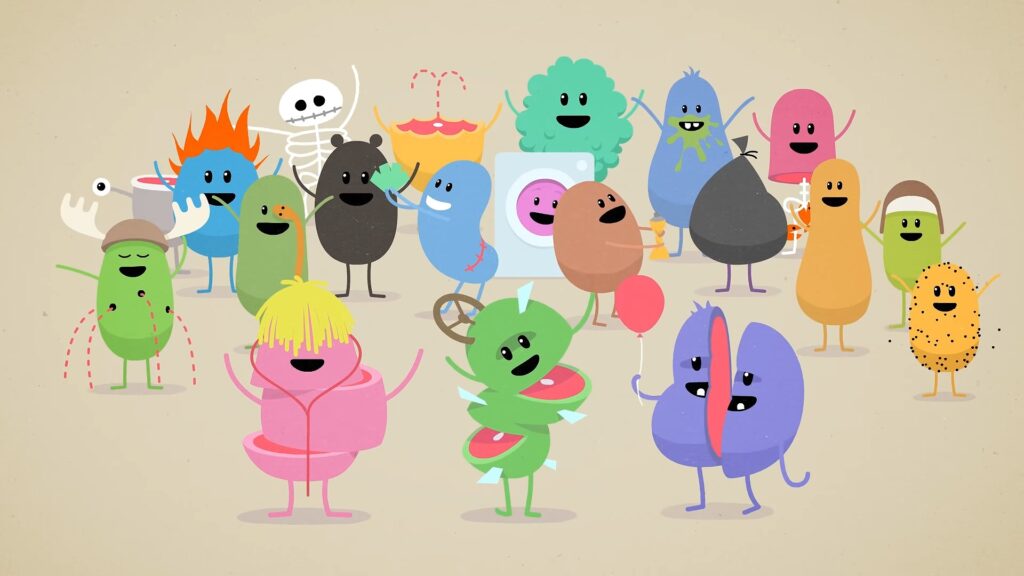
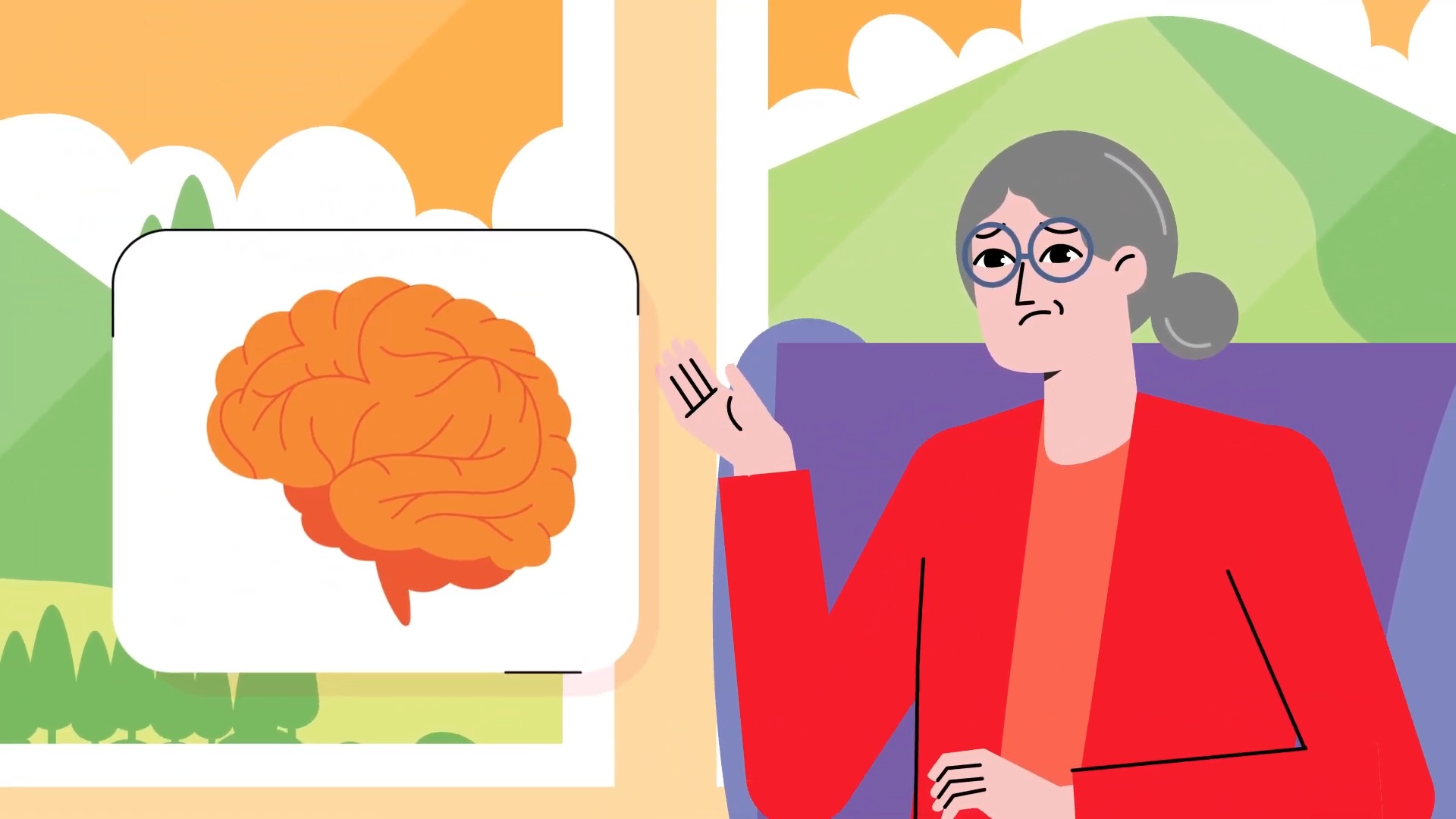
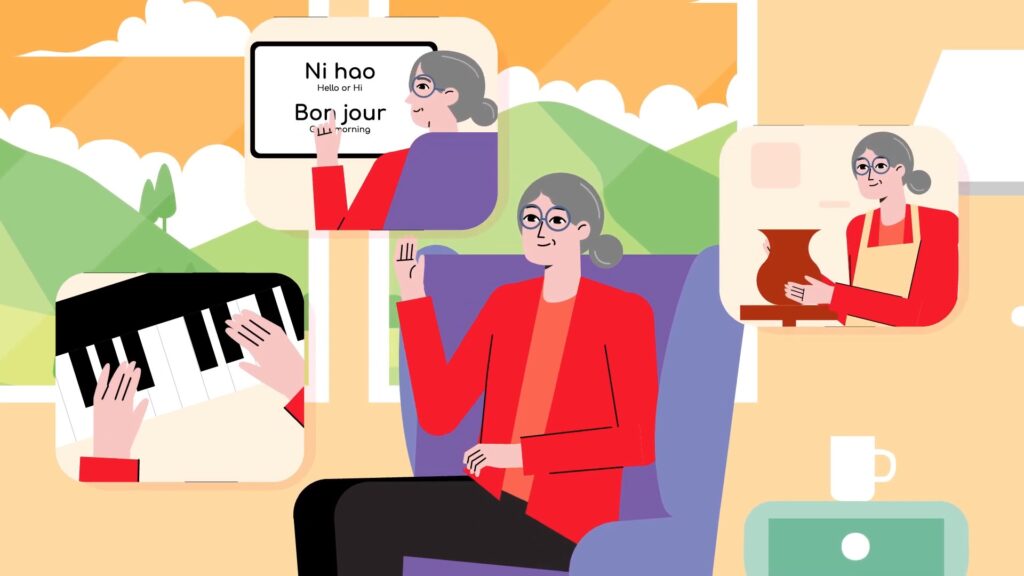
We settled on animation partly for the control it gave us over tone. With live action, you’re working with what’s in front of the camera. With animation, you can make deliberate decisions about every visual element, and for a brief with this many constraints around representation and warmth, that mattered.
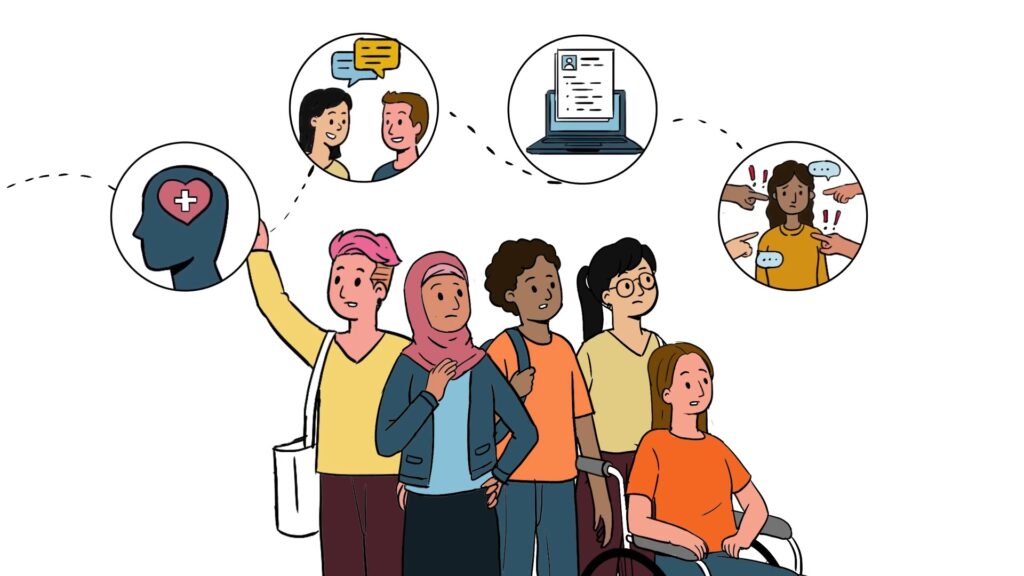
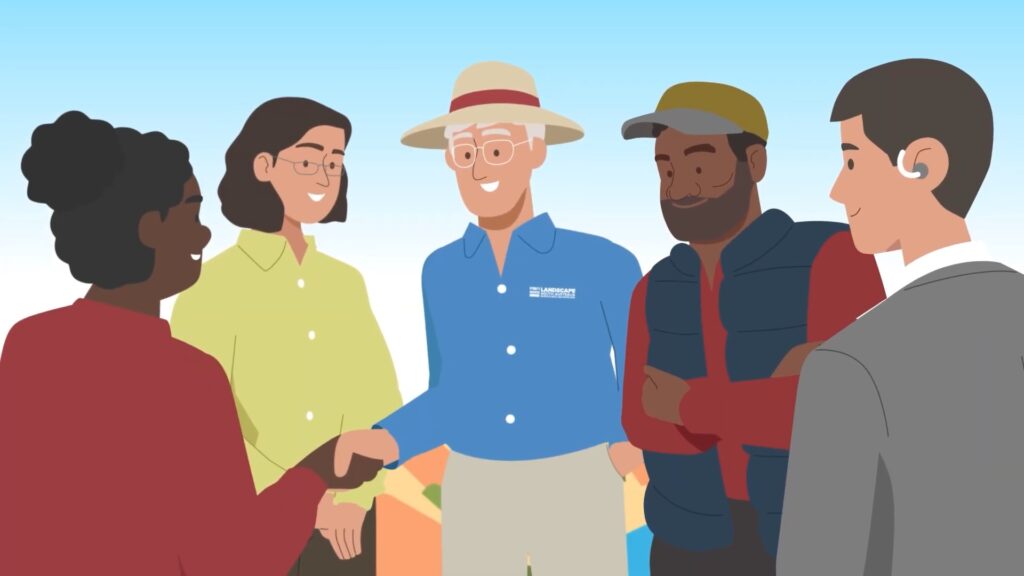
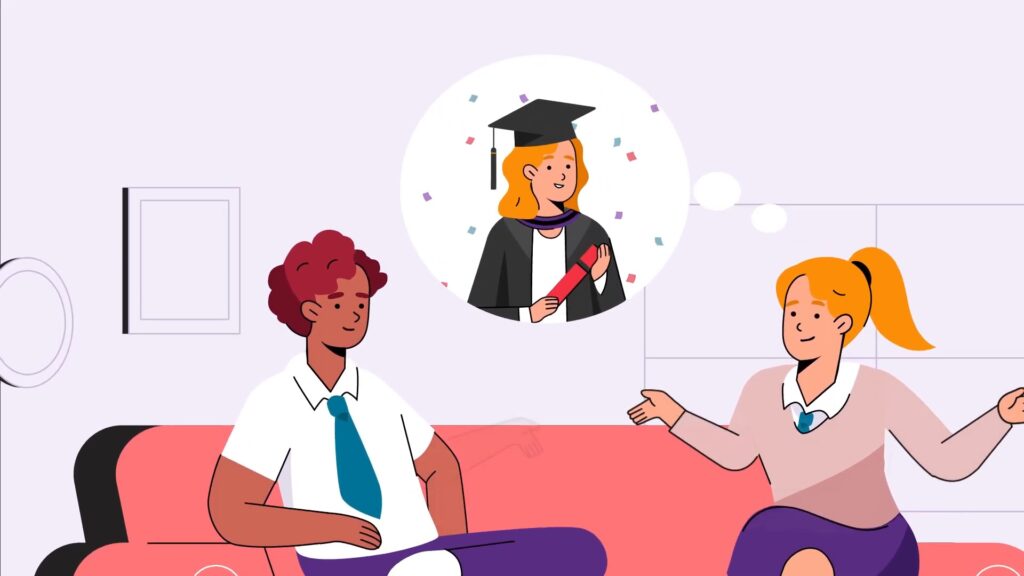
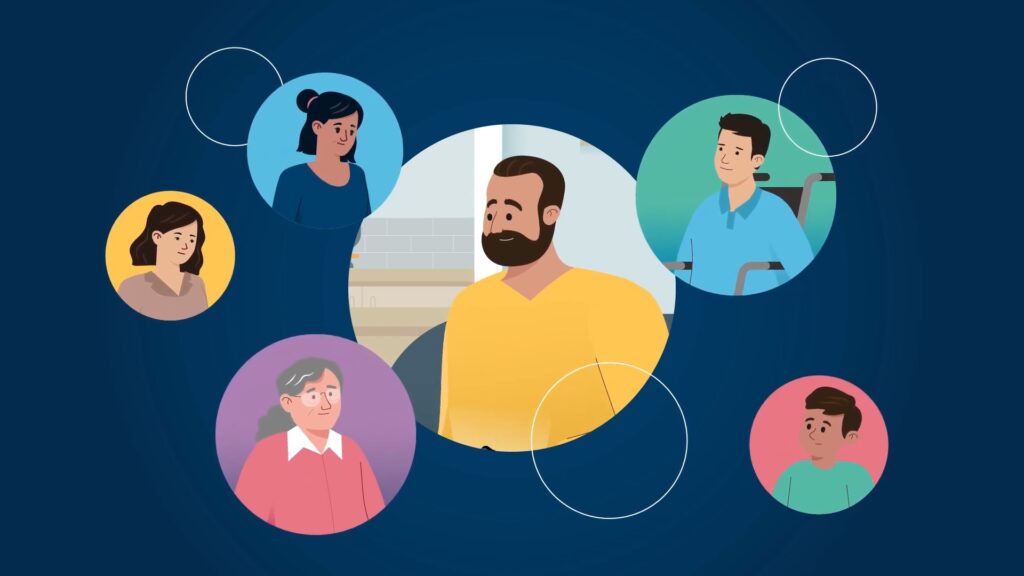
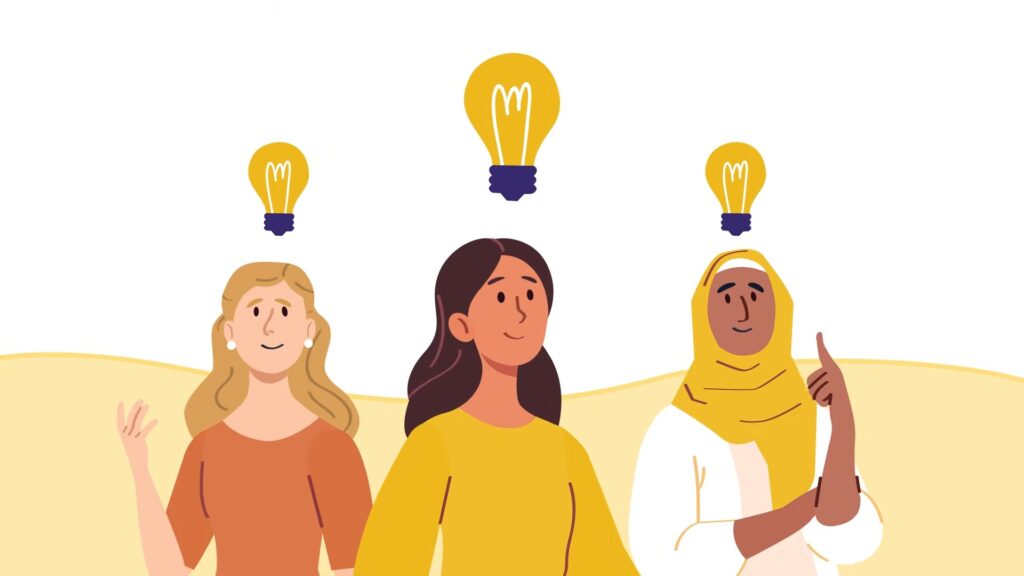
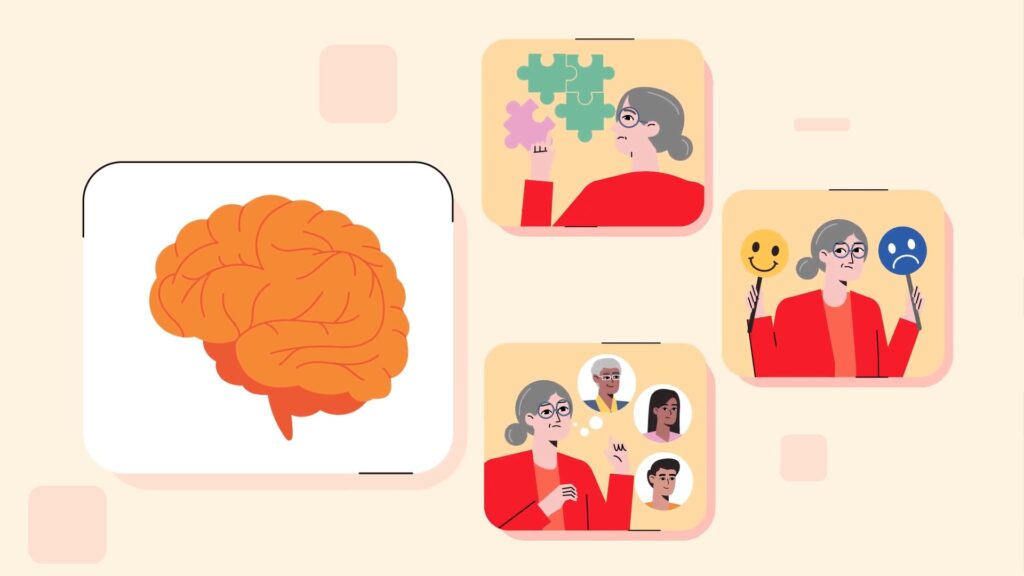
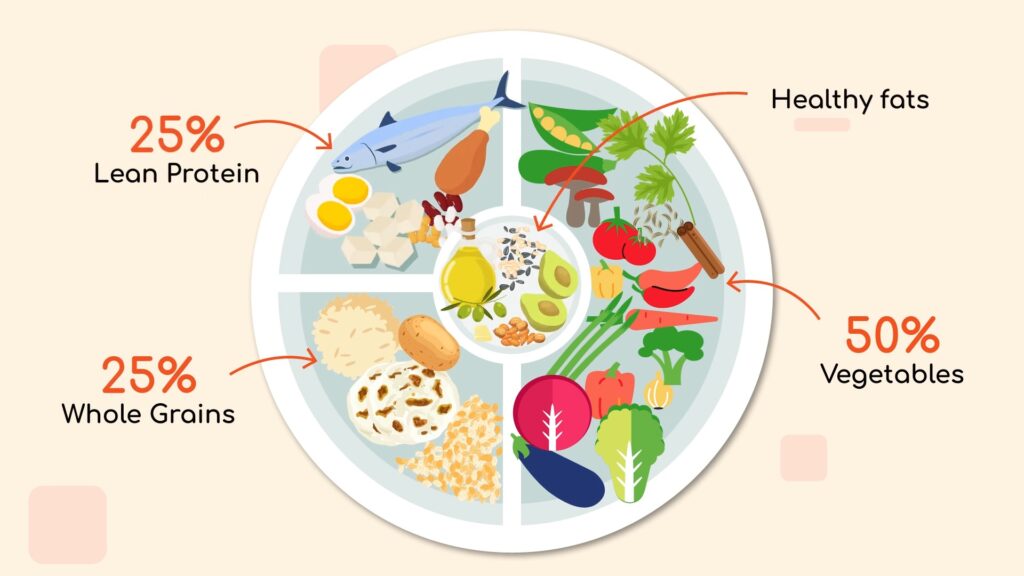
Visual information like diet breakdowns was presented in simple, friendly formats rather than clinical diagrams. Characters were designed to reflect the diversity of the communities being reached, shown in everyday domestic settings rather than medical or institutional ones.
The voiceover was cast for the same reason, a female voice in her 30s or 40s, conversational rather than authoritative, someone who sounds like a trusted community member rather than a health professional.
The Approach
The script opens by separating ageing from dementia. “Ageing is a natural and important part of life. Dementia, however, is not.” For audiences where that distinction isn’t widely assumed, it felt like the right place to start before anything else could land.
From there, the video walks through five practical actions covering movement, diet, social and cognitive engagement, safer lifestyle choices, and regular health checks. We tried to keep each one framed as something achievable rather than prescriptive.
The closing sequence recaps all five and directs viewers to mindcare.org.au for multilingual support and resources.
Translation into nine languages was handled by our multicultural communications partner, Ethnolink.
The Outcome
The ten language versions now sit together on a dedicated page on the MindCare Collective program website with a language switcher that lets visitors move between versions.
Having a brief that ruled out fear as a tool turned out to be useful. It pushed every decision, from the script to the casting to the visuals, toward something warmer and more direct than we might have landed on otherwise.

Next Steps
Working with multicultural communities on health or public service communication?
Punchy helps organisations reach complex and diverse audiences with animation built for the people watching it, not just translated for them.
Drop us a line and let’s chat about what you’re working on.