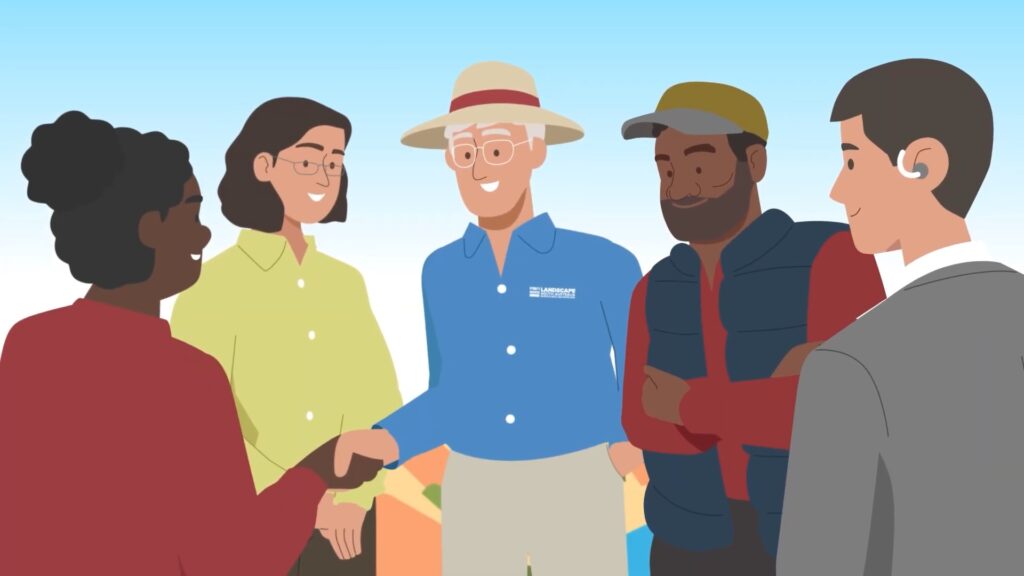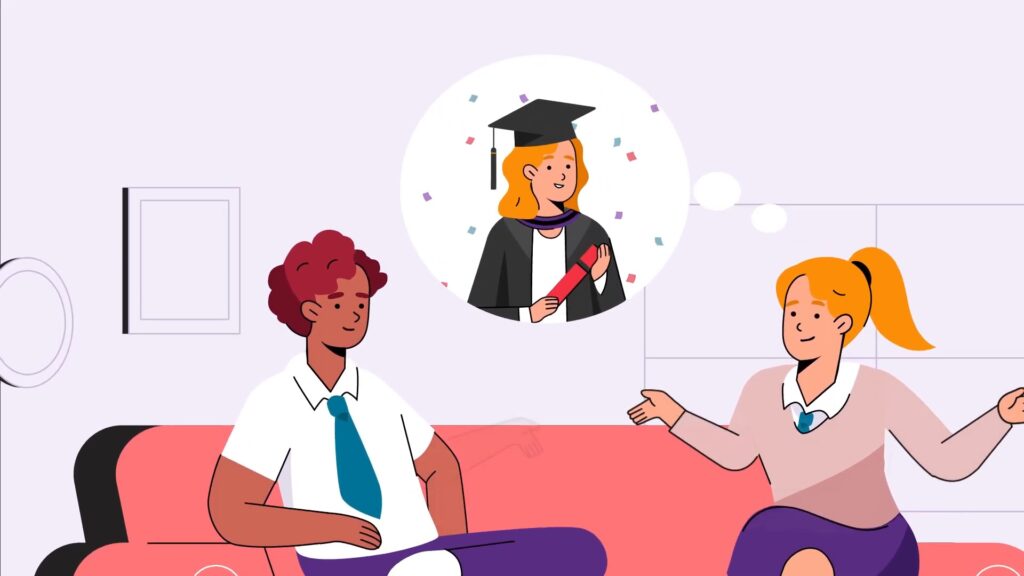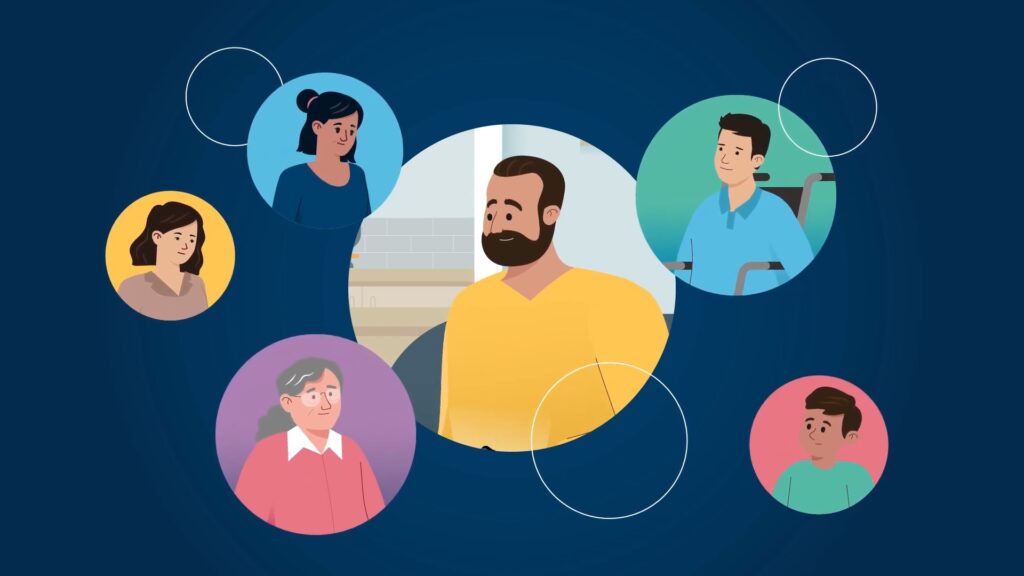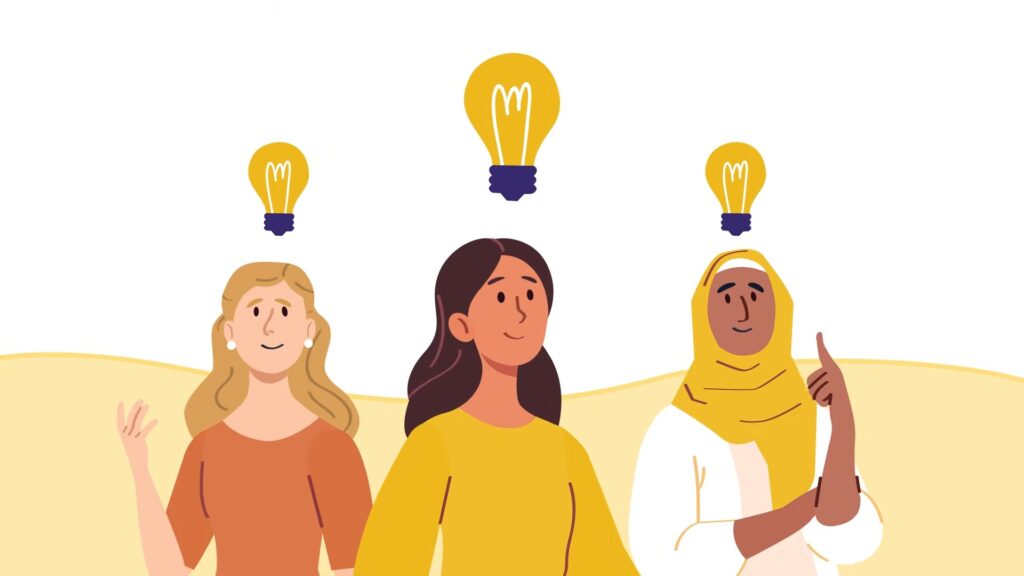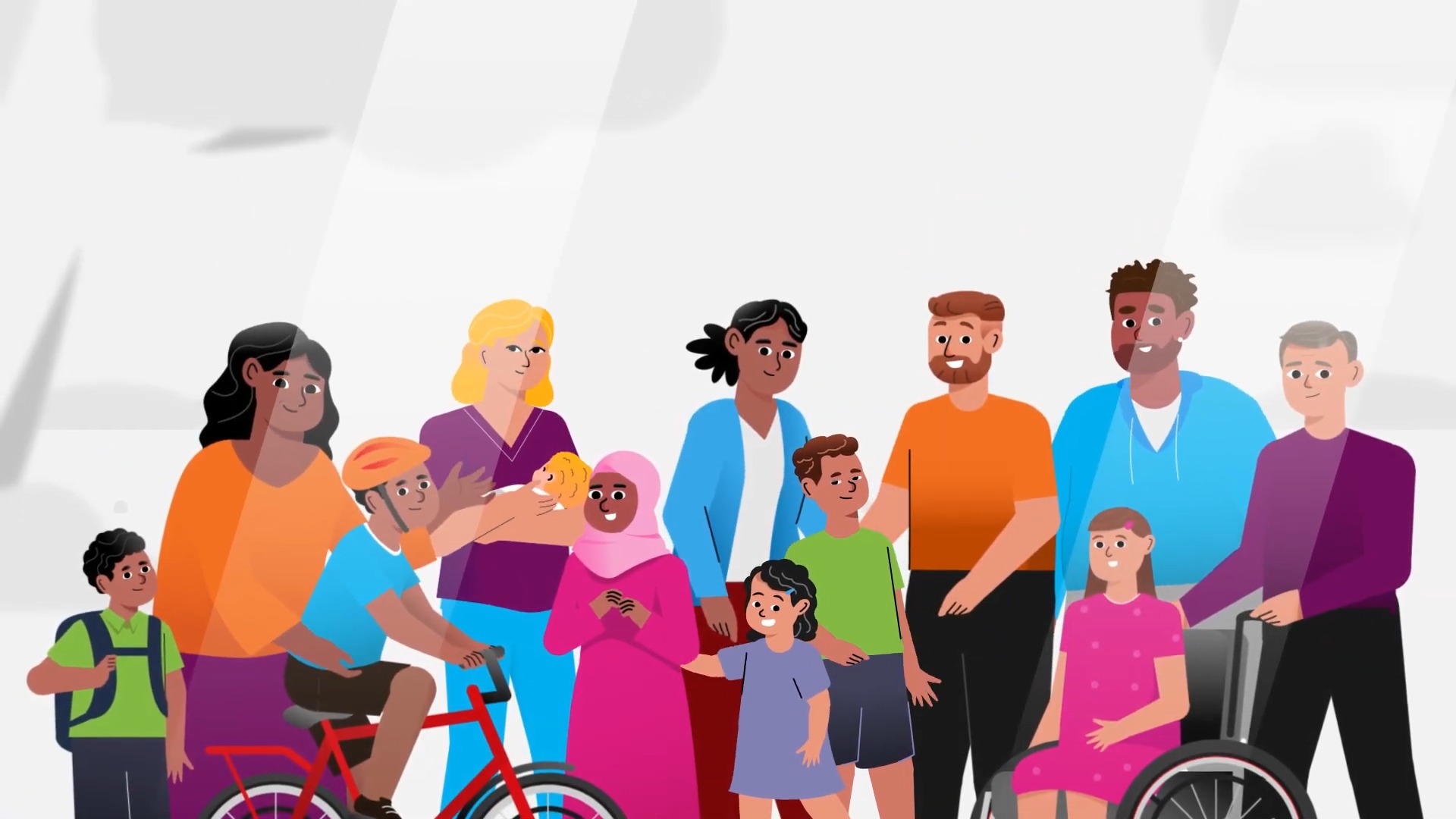
An animated explainer video for a not-for-profit organisation is a short, scripted production that uses illustration and motion graphics to explain a cause, service, legal right, or behaviour change message to a specific audience. Unlike a general brand video, NFP animation is almost always built around an audience that faces a real barrier: low literacy, cultural distance from mainstream services, prior negative experiences with institutions, or simply the difficulty of engaging with information at a moment of stress or vulnerability.
The sector those organisations operate in is substantial. Australia’s registered charities generated $239 billion in revenue in 2025 and employed 1.6 million people, or 11% of the national workforce, according to the most recent Australian Charities Report from the ACNC. Behind those numbers are thousands of organisations trying to reach people who are often hard to reach through conventional channels, on budgets that leave no room for content that doesn’t work.
Video has become the golden standard format for filling that gap as 63% of people say they’d most like to watch a short video to learn about a product or service, compared to just 12% who prefer a text article, and 99% of video marketers say video has helped increase audience understanding of what they offer, according to Wyzowl’s State of Video Marketing 2025.
Over 15+ years we have produced more than 1,500 videos and 6,000+ minutes of content for not-for-profit organisations, government agencies, health bodies, and education clients. Our animation work in this sector spans community education, legal rights literacy, behaviour change campaigns, cultural advocacy, and workforce training, often for audiences where getting the tone and representation wrong means the video simply doesn’t get watched.
This post covers 10 animated explainer videos we have produced for not-for-profit clients.
Types of Not-for-Profit Animation
The 10 examples in this post fall into four working categories, and the category shapes everything from script length to visual style to where the video gets deployed.
1. Community education and awareness
Short animations that explain a condition, issue, or service to a general audience, often sitting on an organisation’s website or running across social media. The job is to build understanding, reduce stigma, and point people toward support. These tend to be evergreen pieces that stay in use for years. Most of our explainer video work for NFPs falls into this category.
2. Legal rights and service navigation
Animations that help audiences understand their rights, the complaints process, or what a service involves, often for people who have had negative experiences with systems and institutions. These require precise scripting, plain language, and a tone that builds trust rather than adds to the anxiety the audience is already carrying.
3. Behaviour change and advocacy
Animations built around a specific behavioural goal, whether that is quitting vaping, making a complaint, or speaking up about something that has gone wrong. These draw on audience research to understand what the audience actually believes, and build creative from that starting point.
4. Workforce and sector training
Animations made for staff, volunteers, or sector practitioners, designed to embed a framework, procedure, or set of behaviours. These run longer than consumer-facing pieces, lean on scenario-based characters, and need to be precise enough to survive the scrutiny of a specialist audience. Our training video service covers most of this work.
The 10 examples below cover all four.
10 Best Not-for-Profit Animated Explainer Video Examples
1. R U OK?
R U OK? is an Australian harm prevention charity that focuses on social connection as a protective factor in mental health. They approached us to address senior isolation, a form of disadvantage that is often invisible in public conversation because it accumulates quietly over time rather than arriving as a single crisis. The brief asked for an animation that would empower community members to spot the signs of disconnection in older people around them, and lower the barrier to starting a meaningful conversation.
The animated explainer we produced uses relatable, everyday scenarios to show how easily connection can happen: a meal, a phone call, a conversation at the end of the street. The visual style is warm and character-led, with older Australians represented across a range of backgrounds and living situations. By keeping the message grounded in ordinary life rather than crisis, the animation works as an invitation rather than an alarm.
We produced this for R U OK? as a community resource deployed across digital platforms and the R U OK? website. Strategic scripting, custom animation, and a warm voiceover combine to make the message feel supportive rather than clinical, with motion graphics directing viewers to further resources for starting life-changing conversations.
2. Victorian Mental Illness Awareness Council (VMIAC)
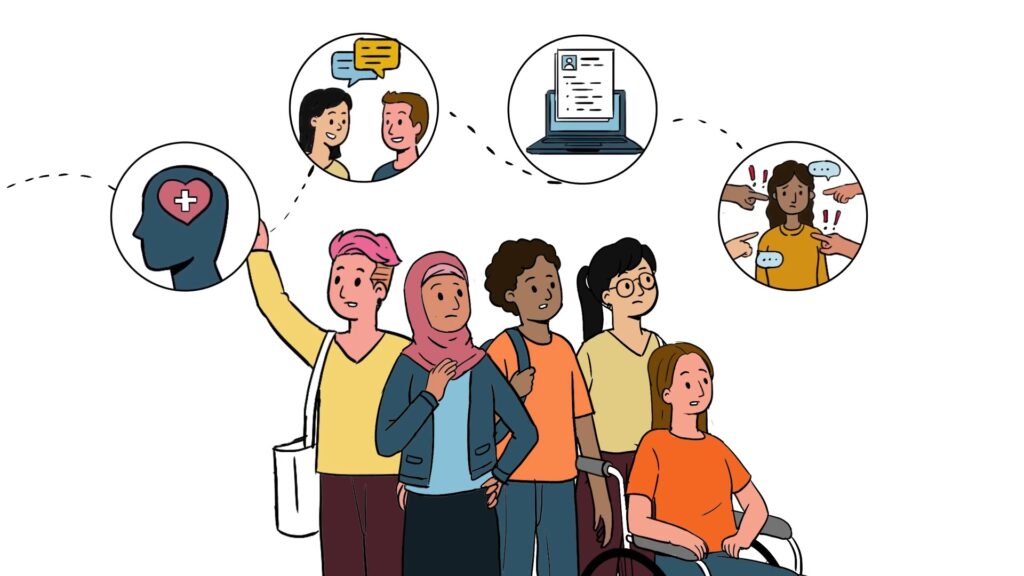
VMIAC is Victoria’s peak body representing people with lived experience of mental health issues and emotional distress. NDIS participants with psychosocial disability were experiencing poor quality support from providers but were not raising complaints, not because issues did not exist, but because the complaints system felt too unclear and too risky to navigate. Some had tried to raise concerns and been dismissed or told they had misremembered what happened. VMIAC needed to reach this audience without replicating the dynamic of an authority telling them what to do.
The solution was a suite of four videos: three live-action pieces featuring real participants sharing their experiences, and one animated explainer walking viewers through the complaints process step by step. This animation handled the information architecture, translating the complexity of registered versus unregistered providers, the NDIS Quality and Safeguards Commission, and multiple complaint pathways into plain-language steps a viewer could actually follow.
We produced this suite for VMIAC for deployment across their website, social channels, and sector training events. The animation component sits within our broader not-for-profit work in mental health and disability advocacy, where the audience has often been failed by the systems being explained to them.
Check out the full case study here.
3. Emerging Minds & Australian Research Alliance for Children and Youth (ARACY)
The Australian Research Alliance for Children and Youth (ARACY) is a national NFP that promotes child and youth wellbeing through evidence-based research. They engaged us alongside Emerging Minds to produce an animated video explaining the science of resilience and introducing The Nest wellbeing framework, a model that defines six domains of child wellbeing: healthy; valued, loved and safe; learning; identity and culture; material basics; and participating. The challenge was to make concepts grounded in developmental science accessible to a wide audience that included professionals, families, and policymakers.
The animated explainer we produced uses a scale metaphor to show how positive and negative experiences, alongside genetics and environment, affect a child’s capacity to handle challenges. The approach covers trauma-informed care and explains how structural factors, stable housing, responsive services, and safe community spaces, can shift a child’s resilience base. Complex academic concepts are translated into visual language without being oversimplified, which matters when the audience includes practitioners with domain expertise alongside the general public.
We produced a suite of explainers for ARACY and Emerging Minds for deployment on both organisations’ websites, supporting professionals, families, and decision-makers to identify where intervention and community support can make a difference.
4. Victorian Aboriginal Child Care Agency (VACCA)
The Victorian Aboriginal Child Care Agency (VACCA) is Victoria’s leading Aboriginal community-controlled organisation, supporting Aboriginal children, young people, and families through cultural, child protection, and community programs. Ahead of the 2023 Voice to Parliament referendum, VACCA commissioned Punchy to produce a pair of animated explainers communicating its position on treaty, sovereignty, and self-determination, and to help educate community audiences on the issues at stake.
The two animations were produced with First Nations voiceover talent sourced through First Nations Broadcasting, at VACCA’s preference, ensuring culturally appropriate narration throughout. The illustration style was developed with cultural representation as a guiding constraint, with characters and visual choices reviewed in consultation with the client. The pieces were designed for social media distribution and used directly across VACCA’s channels following delivery.
The work sits within our dedicated experience producing content for First Nations audiences and community-controlled organisations.
5. Southern Aboriginal Corporation (SAC)
The Southern Aboriginal Corporation (SAC) is an Aboriginal community-controlled organisation based in Western Australia’s Great Southern region, delivering a range of services to support Indigenous community members. As part of a broader video package, SAC needed an animation introducing its job readiness program to two distinct audiences: community members preparing to enter or re-enter the workforce, and funding bodies that needed to understand the program’s reach and impact. The same video had to work for both, which required a tone that was warm and community-facing without reading as a funder report.
Punchy produced a whiteboard-style animation that uses culturally considered visual motifs including yarning circles, footprints, and pathways, drawn by an animator’s hand to reflect an Indigenous storytelling tradition. Voiceover was performed by a female Indigenous Australian artist, keeping the piece grounded in community voice rather than institutional voice.
Again, this project is part of our First Nations portfolio of work, where cultural considerations shape production decisions from the concept stage.
6. My Blue Sky (UTS)
My Blue Sky is hosted by the University of Technology Sydney and is Australia’s first dedicated website for preventing and supporting people in forced marriages. The brief asked for an educational animation that would clearly define what forced marriage is, establish that it is a crime in Australia regardless of cultural background, and provide a safe pathway for people at risk to access free and confidential legal advice. The audience for this video includes people who may not have language for what is happening to them and who may be watching in circumstances that are not private.
The animated explainer we produced uses a professional, approachable style that makes difficult legal concepts accessible without being alarming. The script establishes that forced marriage can affect anyone regardless of gender, culture, or religion, then works through the legal reality and the support available in plain language. A calm, supportive voiceover carries the piece through content that could easily become either sanitised or frightening if the tone was miscalibrated.
We produced this for My Blue Sky for deployment on the website and through social services working with at-risk individuals. The video supports legal literacy for a vulnerable audience, drawing on our experience in not-for-profit and health and aged care contexts where tone is a core production decision, not an afterthought.
7. RSPCA Australia
Over five million layer hens in Australia remain confined to barren battery cages, yet most Australians believe the practice has already ended. RSPCA Australia found themselves in a difficult communications position as 77% of Australians support phasing out battery cages, but that public support was not translating into pressure on state and territory governments to actually legislate a phase-out. Cage-free eggs in supermarkets and media coverage of a planned 2036 phase-out had created a false sense that the problem was resolving itself.
We developed two complementary 60-second animated videos that distilled complex policy timelines into content that was immediately understandable. The first established the problem, what battery cages are, why they harm hens, and how many birds are affected. The second provided context: the decades-long journey to reach this moment and what would happen without immediate government action. The key was making the numbers land. When the script said each hen has less space than a sheet of A4 paper, we showed exactly that. When we mentioned 167,000 Australians had submitted feedback calling for change, we made that scale visible rather than letting it sit as an abstract figure.
We produced this for RSPCA Australia as a tool to combat misinformation, create urgency, and equip supporters with the knowledge to advocate effectively. The animation drew on our audience analysis and content strategy experience to reframe battery cages from a problem being solved to one requiring immediate public pressure.
Check out the full case study here.
8. Australian Diabetes Educators Association (ADEA)
The Australian Diabetes Educators Association (ADEA) approached Punchy to address a gap in disaster preparedness content for people living with diabetes. People with diabetes face specific risks during emergencies as insulin requires cool storage, blood glucose can spike under stress, and evacuation disrupts the routines that keep the condition stable. Generic emergency preparedness content does not account for any of this, and producing it ahead of bushfire and flood season was the brief.
The animated explainer we produced walks viewers through building a diabetes-specific emergency kit, managing medication and supplies during a disaster, and planning for evacuation scenarios. The illustrative style is warm and consistent with ADEA’s existing preparedness content, so the video sits naturally within their broader resource library. A calm, instructive voiceover keeps high-stakes content from feeling alarming, which matters when the audience is processing information that may directly apply to their own safety.
We produced this for ADEA for deployment across social media, the ADEA website, and partner channels working in emergency preparedness and chronic disease education.
9. Circle Green Community Legal
Circle Green Community Legal is a Western Australian community legal centre supporting people experiencing workplace issues, family violence, and tenancy disputes. Two distinct problems kept surfacing in their workplace harassment work: bystanders who witnessed harassment hesitated to act because they lacked a clear method for stepping in, and workers who had been targeted often did not seek legal advice because the process felt opaque or risky.
We produced two animated videos, one for each side of the problem. The first introduced the “disrupt, relate, escalate” bystander framework, with each response shown in a different industry where harassment statistically occurs most often, making clear that bystander responsibility is not tied to any particular job or identity. The second walked potential legal advice seekers through what engaging Circle Green actually looks like in practice, covering what is free and confidential, how to get in touch, and what information may be needed.
We produced this suite for Circle Green for use across their website, social channels, and workplace training resources. The work draws on our experience producing content for community legal services and not-for-profit organisations where the audience has often had reason to distrust the systems being explained.
Check out the full case study here.
10. Aboriginal and Torres Strait Islander Legal Service (ATSILS)
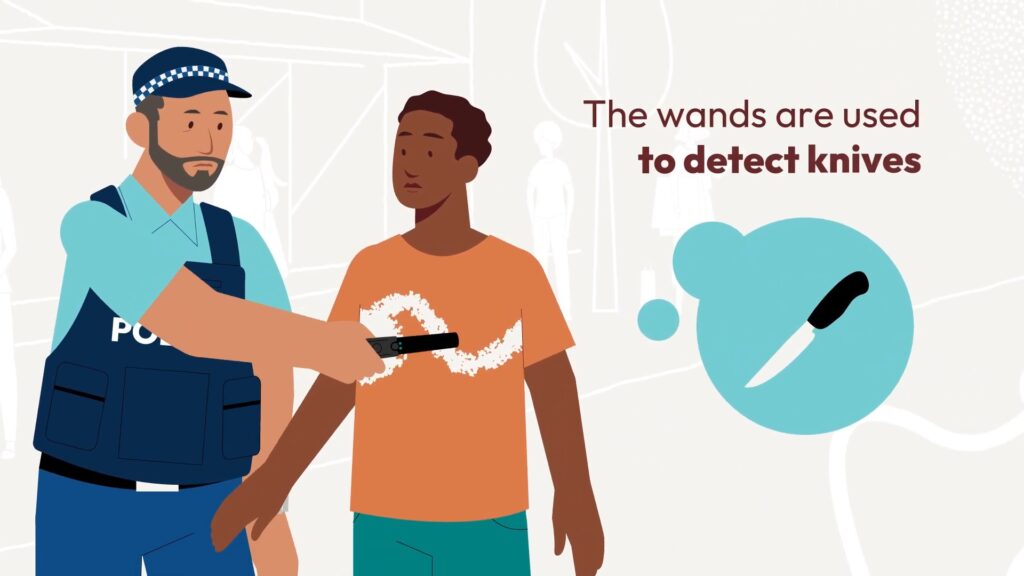
The Aboriginal and Torres Strait Islander Legal Service (ATSILS) came to Punchy to explain the use of “wanding” or handheld metal detector scanners in designated public spaces under Queensland’s Jack’s Law. Data from an independent Griffith University review found that Indigenous people made up 11.8% of those wanded whose ethnicity was recorded, despite representing around 4.6% of Queensland’s population. More than half of charges resulting from wanding were for drug possession rather than weapons, meaning people stopped for a “weapons search” were ending up with criminal records for minor, unrelated offences. ATSILS needed a way to reach young First Nations people, many of them teenagers with low literacy, and give them the knowledge to stay safe during a wanding encounter.
The 90-second animation we produced is written for a low-literacy audience and uses First Nations voices throughout. It opens with a straightforward explanation of what wanding is and why it exists, walks viewers through what to expect during an encounter, and makes clear what police can and cannot do. The script gives actionable guidance for if something goes wrong: stay calm, ask why, follow directions, write down what happened. A second narrator closes the piece, directing viewers to call ATSILS for free and confidential legal advice.
We produced this for ATSILS for deployment across social media, their website, and community workshops. The brief required balancing legal accuracy with plain language and a tone that was calm rather than alarming, which is exactly the kind of production challenge our First Nations communication work is built around.
Check out the full case study here.
Animation vs Live Action for Not-for-Profits
When NFP clients come to us with a brief, the question of animation versus live action comes up early. The right answer depends on what the video needs to do, who it needs to reach, and where it gets deployed.
Animation is usually the right call when:
- The subject matter is sensitive or difficult to film: mental health, legal rights, forced marriage, battery cage conditions, complaints processes, or anything where real footage raises ethical or safety concerns.
- The audience needs to see themselves represented, and that representation needs to be controlled, particularly for First Nations audiences, CALD communities, or people from marginalised backgrounds where default casting would not reflect their experience.
- The video needs to explain a system, process, or concept that has no visual equivalent in the real world.
- The message needs to work for a low-literacy audience or for people who are in a heightened emotional state when they encounter it.
- The piece needs to stay in use for years without dating.
Live action is usually the right call when:
- Authenticity and the human face of a cause are the whole point: fundraising appeals, donor impact stories, beneficiary testimonials.
- The organisation needs viewers to trust that what they are seeing is a real person in a real situation.
- The setting itself carries weight, a community health service, a legal centre, a remote community.
- The brief is a case study video for a funder, board, or government partner.
In practice, many NFPs use both. The VMIAC suite in this post is a good example as animation handled the information and process layer, while live action carried the personal testimony layer. Having a clear content strategy before production starts is what makes that split purposeful rather than accidental.
FAQs
What is an animated video for not-for-profit organisations?
An animated video for a not-for-profit is a short, scripted production that uses illustration, motion graphics, and voiceover to communicate a cause, service, right, or process in a way that is easier to absorb than written content. They typically run between 60 seconds and three minutes and are used by charities, community legal centres, peak bodies, and advocacy organisations to educate audiences, shift behaviour, explain rights and services, and build support. Unlike live action, animation allows full control over representation, tone, and what the viewer sees, which is particularly useful in contexts involving sensitive subject matter, marginalised audiences, or processes that have no visual equivalent in the real world. The 10 examples in this post cover community education, legal rights, behaviour change, cultural advocacy, and workforce training across a range of NFP types and audience segments.
How long should a not-for-profit animation be?
For consumer-facing and community education animations, 60 to 90 seconds is usually the target. NFP audiences often encounter video in a context that is already emotionally loaded, whether that is looking up their legal rights, seeking support after a diagnosis, or navigating a complaints process, and attention drops sharply past the two-minute mark. For workforce training and sector education, two to four minutes is workable because the audience is watching with intent. The right length is usually shorter than the client’s first draft of the brief suggests. If a script will not fit comfortably into the target runtime, the answer is almost never to make the video longer, but to cut the scope or split the content into a series. The VMIAC and Circle Green work in this post both used a multi-video approach to separate distinct audiences and messages.
Why use animation instead of live action for not-for-profit communications?
Animation gives not-for-profit organisations control over three things that are hard to manage with live action, like representation, tone, and subject matter. For audiences that include First Nations communities, people from migrant and refugee backgrounds, people with disabilities, or people in legally or emotionally vulnerable situations, the ability to design characters and environments that reflect lived experience is not a nice-to-have, it is what makes the video actually land. Animation also handles subject matter that cannot be filmed, including complaints processes, legal rights, systemic issues, and abstract concepts. And it avoids the ethical complexity of filming real beneficiaries in sensitive situations. Live action remains the stronger choice when authenticity is the point: donor appeals, beneficiary stories, and funder case studies all benefit from the weight of a real face in a real setting.
What not-for-profit topics work best for animation?
Animation works particularly well for topics that are abstract, sensitive, or legally complex. Legal rights and service navigation, such as the VMIAC complaints process and the ATSILS wanding explainer, benefit from animation’s ability to simplify systems without losing accuracy. Culturally specific communication for First Nations and CALD audiences, as in the VACCA and Southern Aboriginal Corporation work, benefits from full control over representation. Behaviour change campaigns where the audience is resistant to authority messaging, advocacy content aimed at creating political or policy pressure, and community education about conditions or services that carry stigma all suit animation’s ability to control tone. It works less well in contexts where the personal testimony of a real person is what moves the audience, such as fundraising appeals or impact reports.
How do you measure the success of a not-for-profit animation?
For community education content, the primary metrics are usually reach, comprehension, and whether viewers take the intended next step, whether that is downloading a resource, calling a helpline, or lodging a complaint. The RSPCA campaign used a combination of reach data and advocacy actions. For behaviour change work, the measures should be defined before production begins, ideally at the content strategy stage, and should connect to the specific behaviour the video is trying to shift rather than generic engagement metrics like views. For workforce training animations, completion rates and knowledge retention assessments are standard. For legal rights content, the intended outcome is usually that people with a legitimate complaint actually pursue it, or that people in a vulnerable situation take one specific action to protect themselves.
Do not-for-profits need to think differently about video distribution?
Yes, and it is often the piece that gets left until after production finishes, which is the wrong order. Distribution planning shapes format decisions, caption requirements, length, and aspect ratio, all of which affect the production itself. A video designed for a website homepage behaves differently to one designed for TikTok or Meta, and a piece that will be used in community workshops needs a different structure to one that viewers find independently on YouTube. NFP audiences are also frequently found through community channels, sector networks, and partner organisations rather than through paid media, which affects how findable the video needs to be and who else needs to be involved in sharing it. Building a distribution strategy before production rather than after it is one of the clearest levers an organisation has to improve return on their video investment.
Conclusion
Across these 10 examples, the strongest NFP animations are not the ones with the most polished visuals or the most ambitious scope. They are the ones where the audience was understood before scripting began, where the tone was calibrated to the emotional state and prior experience of that specific audience, and where the brief was tight enough to produce a video that does one job extremely well.
What makes animation the right tool for so much NFP work is the control it offers over all three variables. When your audience has been dismissed by institutions, representation matters. When your subject matter involves processes that cannot be filmed, illustration is the only option. When your video needs to sit on a website for five years and still feel current, animation ages better than live action almost every time.
The organisations in this post are using animation to explain rights, shift behaviour, navigate complaints, support communities, and build the kind of trust that turns awareness into action. That is what good NFP communication looks like when the brief is right and the production is built to serve the audience rather than the organisation.
If you are scoping an animated video for a not-for-profit, charity, peak body, or community organisation, get in touch to book a call.
Sources
- Australian Charities and Not-for-profits Commission (2025), Australian Charities Report: 12th edition. https://www.acnc.gov.au/tools/reports
- Wyzowl (2025), State of Video Marketing 2025. https://www.wyzowl.com/video-marketing-statistics/