The Window Between Disasters Is the Real Work
Most public attention on disaster communication focuses on the event itself. The bushfire is burning. The flood is rising. The storm is approaching. State emergency services agencies, health departments, and resilience portfolios deliver intense, time-pressured communication during those windows, and the work is often outstanding under the conditions.
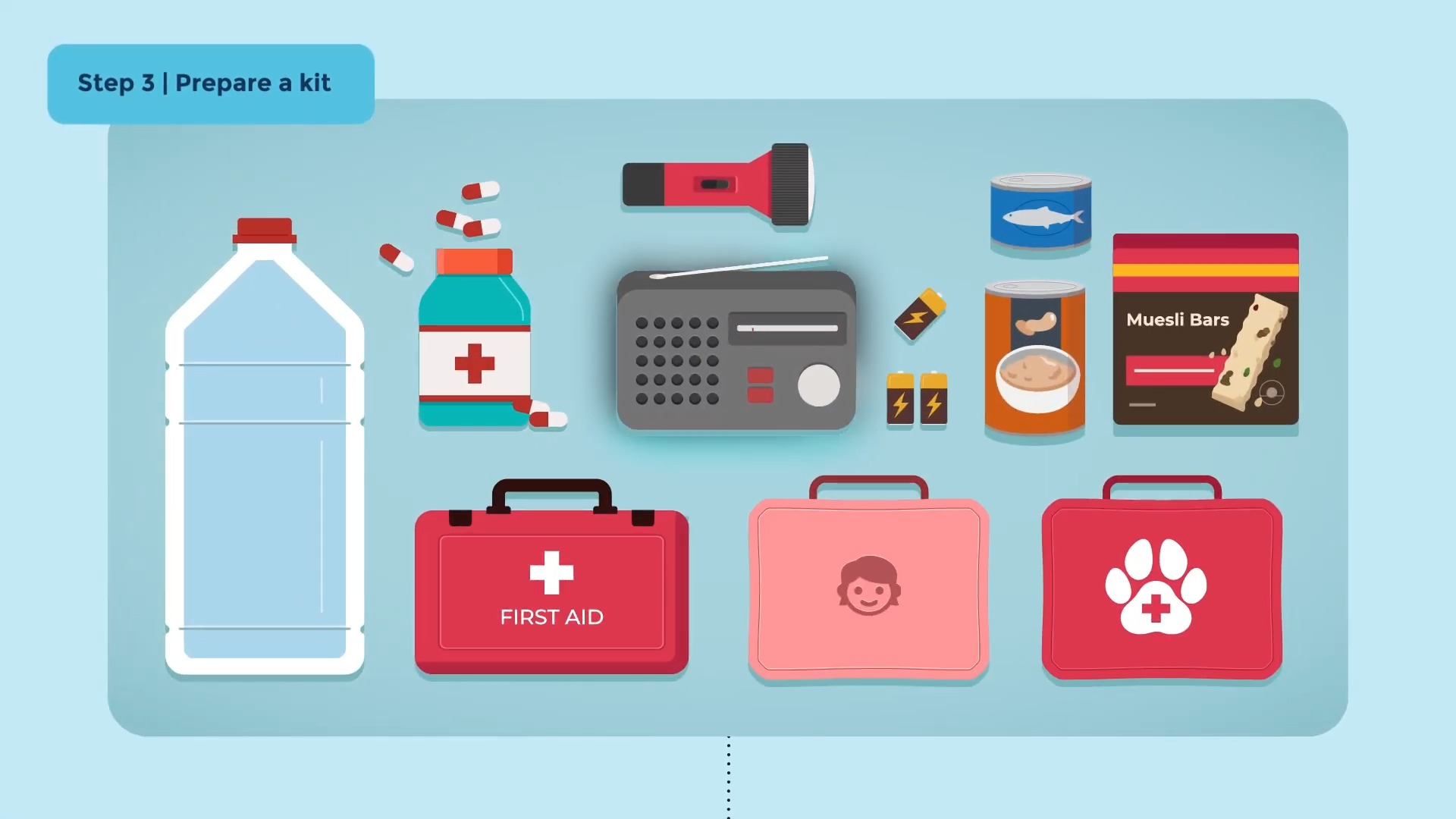
The harder work, the less visible work, the work that actually determines how communities cope when the next event hits, happens in the quiet months between disasters. Building household-level preparedness. Making sure people know what to put in a 72-hour emergency kit. Walking communities through evacuation planning before they need to evacuate. Helping vulnerable groups understand heatwave risk before summer starts. Reaching multicultural communities with information in languages they actually use. This is preparedness work, and state government teams across emergency services and resilience portfolios are the ones who lead it.
Video has become a central tool in this work, but the production approach for preparedness video is genuinely different to in-event risk communication. The audience state is calm. The behaviour change goal is habit formation, not urgent compliance. The campaign cadence is annual. And the success metric is what people do months later, when the actual event arrives.
What Makes Preparedness Communication Different
In-event emergency communication is built around speed, clarity, and immediate behaviour. The audience is anxious, attentive, and reaching for actionable instruction. Preparedness communication is the opposite. The audience is not thinking about disasters. They have competing priorities, no immediate concern, and a well-documented tendency to discount risks that feel abstract or distant.
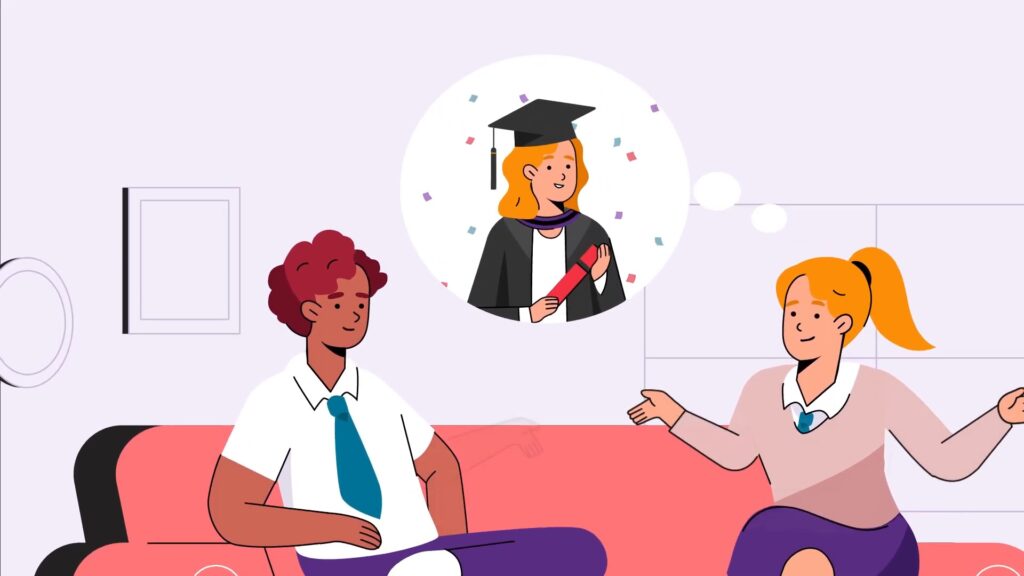
This dynamic shapes everything about preparedness campaign design. The content has to earn attention before it can deliver instruction. The tone needs to acknowledge that disaster planning sits low on most people’s mental priority list. The behaviour change ask has to be small enough to feel achievable in a normal week, not the major lifestyle restructure that comprehensive preparedness would actually require.
State government teams that get the most out of preparedness video work plan it as long-running behaviour change communication, not as occasional public information. The campaigns build awareness slowly, return seasonally, and connect to other state-level resilience and community safety work. They live within a broader distribution strategy rather than being one-off productions.
The Audiences State Government Teams Have to Reach
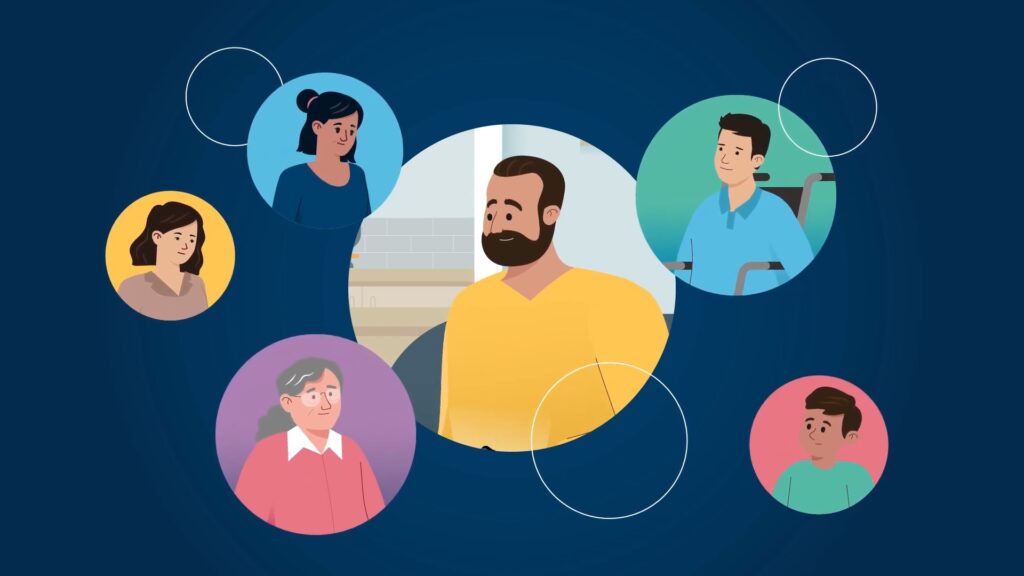
Disaster preparedness campaigns have to land across an extraordinarily diverse set of audiences, each with different risk profiles, information needs, and channel preferences. State government communication teams that plan for this diversity from the start produce dramatically better results than those who design for a generic public.
Households in fire-prone, flood-prone, or storm-affected areas. The core preparedness audience, with specific behavioural goals that vary by hazard: fire plans, evacuation routes, household kits, property preparation. Often reached most effectively through video that uses footage of recognisable local environments rather than generic landscapes.
Multicultural communities and migrants. A meaningful proportion of Australian residents have first languages other than English and varying levels of familiarity with Australian disaster risks. Preparedness communication in this space needs translated content, but more importantly needs production that involves community members as voices, not just translation services.
First Nations communities. Where preparedness messaging needs to be developed in genuine partnership with community organisations and traditional knowledge holders. The cultural protocols and the appropriate creative partnerships matter here in ways that generic preparedness content cannot accommodate.
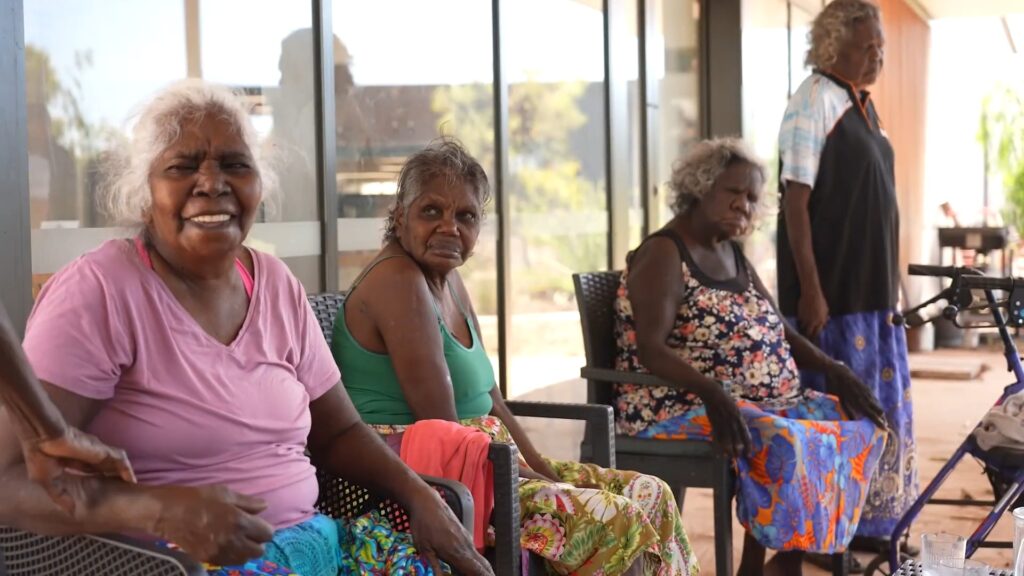
Older Australians. Particularly vulnerable to heatwave, isolation during evacuation events, and difficulty accessing digital channels. Preparedness video for this audience often needs to be designed for distribution through community service organisations and seniors networks, not just social media.
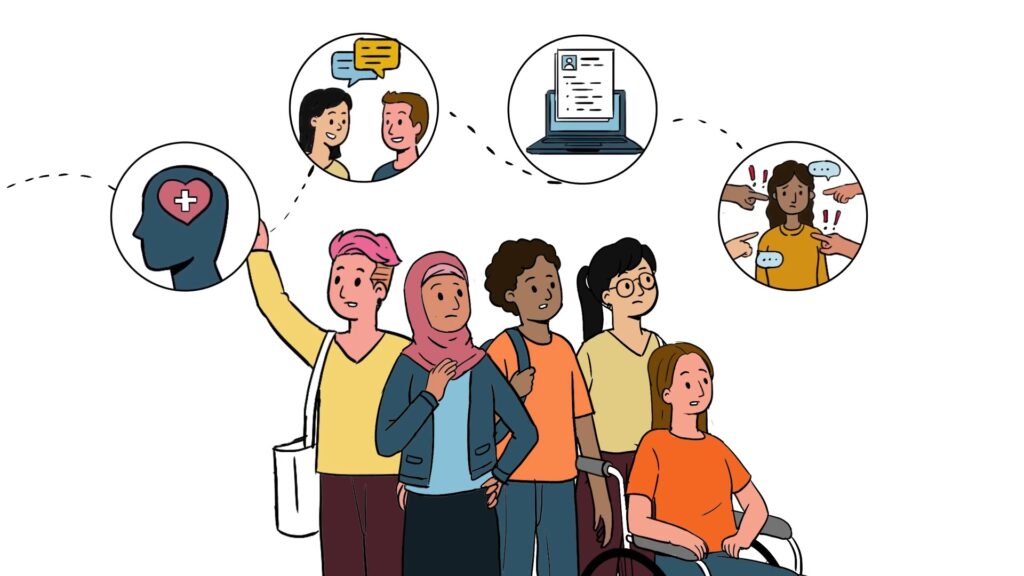
People with disability and their support networks. Where preparedness planning involves specific considerations around mobility, medication, sensory needs, and support arrangements. Often reached through partnerships with disability service providers and peak bodies.
Tourists and seasonal residents. A specific audience for regions with strong tourism economies, where summer fire risk and storm season coincide with peak visitor numbers. Preparedness video here often needs to travel through accommodation operators and tourism networks.
Schools and young people. Where preparedness education has long-term flow-on effects into the household. State teams increasingly recognise that children who learn preparedness behaviours at school carry that knowledge home in ways adult-targeted campaigns cannot match.
What Good Preparedness Video Looks Like
The strongest preparedness video work shares several characteristics worth naming explicitly.
Specific behaviours, not general awareness. Effective preparedness video tells viewers exactly what to do: where to find the household emergency plan template, what to put in the kit, when to leave, where to get fire danger information. Vague “be prepared” messaging without specific behavioural anchors performs reliably worse than concrete instruction.
Tone calibrated to the audience state. Preparedness audiences are calm. Video that uses fear-based imagery, dramatic music, and urgent voiceover tends to backfire because it does not match the emotional context the audience is in. Calmer, more practical tone usually outperforms alarmist content.
Local imagery and recognisable environments. Footage of generic Australian landscapes performs worse than footage of recognisable local areas. Communities preparing for bushfire respond more to imagery that looks like their actual hills, not stock landscape footage. State government teams with budget to film across multiple regions get better engagement than those producing single state-wide pieces.
Real voices. Preparedness content benefits enormously from including the voices of people who have actually been through the events being discussed. Survivors of past bushfires, families who evacuated successfully, community members who supported neighbours during floods. The lived experience perspective gives preparedness messaging a credibility that institutional voices cannot match.
Accessibility built in from the start. Captions in clear text. Auslan interpretation. Audio description where appropriate. Plain language. Translated versions for major community languages. These are not optional extras for preparedness content. They are part of what makes the campaign actually reach the people it is designed for.
The Distribution Problem Specific to Preparedness
Preparedness content has a distribution problem that in-event content does not. When the bushfire is approaching, people seek out information. When the fire season is six months away, they do not. State government teams have to push preparedness content into spaces where audiences will encounter it incidentally, and that means working through partnerships rather than relying on owned channels alone.
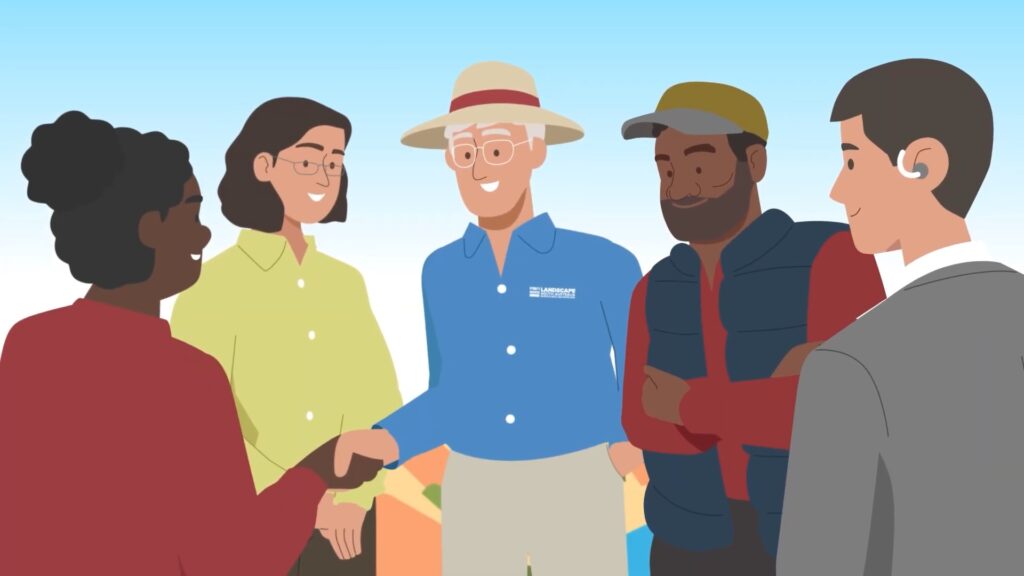
The most effective preparedness campaigns build distribution networks that include local councils, community service organisations, primary health networks, schools, religious organisations, multicultural service providers, libraries, Men’s Sheds, sporting clubs, agricultural shows, and trusted community media. Local councils in particular play a critical role as amplification partners, not as campaign leads. They know their communities, they have established channels into local audiences, and they can carry state-level preparedness content into spaces state government communications cannot easily reach.
This is also where state government communication teams benefit from thinking about preparedness video as content their distribution partners will share, not just content their owned channels will publish. Designing for sharability, providing partners with cuts in multiple lengths and formats, and making it easy to co-brand or contextualise content all materially improve reach.
Common Mistakes State Government Teams Make
The first is producing one big annual campaign and going quiet between disasters. Preparedness behaviour change requires consistent presence, not annual bursts. Smaller, more frequent content delivered seasonally tends to outperform large one-off productions.
The second is designing the campaign for the policy team rather than the audience. Preparedness messaging often gets weighed down by the operational language of emergency services, planning frameworks, and risk classification systems. Audiences do not need to understand the agency’s framework. They need to know what to do.
The third is failing to coordinate across hazards. Households face multiple potential disasters depending on where they live, and a fragmented set of campaigns covering fire, flood, storm, and heatwave separately can feel overwhelming. State teams that integrate preparedness messaging across hazard types, focusing on common behaviours like having a plan, knowing your warnings, building a kit, get better cut-through than those who keep the campaigns siloed.
The fourth is treating preparedness video as a one-off. To see how community resilience and preparedness work has come together for organisations across sectors, you can browse our portfolio here.
Ready to Plan Your Next Preparedness Campaign
State government communication teams running disaster preparedness work carry one of the most consequential responsibilities in public communication. The work happens quietly, but the lives saved when communities are ready can be substantial.
If you are a state government, emergency services, or resilience portfolio team scoping a preparedness video campaign, get in touch with the team. We work with state government communications teams across Australia and are happy to talk through what an approach might look like for your specific hazard profile, audiences, and distribution networks.