The Problem With Most Health Stigma Campaigns
Public health and not-for-profit teams running stigma reduction campaigns are working on some of the most important communication problems in the country. Diabetes stigma. Mental health stigma. HIV stigma. Stigma around addiction, eating disorders, suicidality, body weight, infectious disease, sexually transmitted infections, reproductive health, disability, refugee and asylum seeker experience, and many more. The campaigns matter because stigma kills, sometimes literally, by stopping people seeking help, by isolating those affected, and by shaping policy in ways that compound harm.
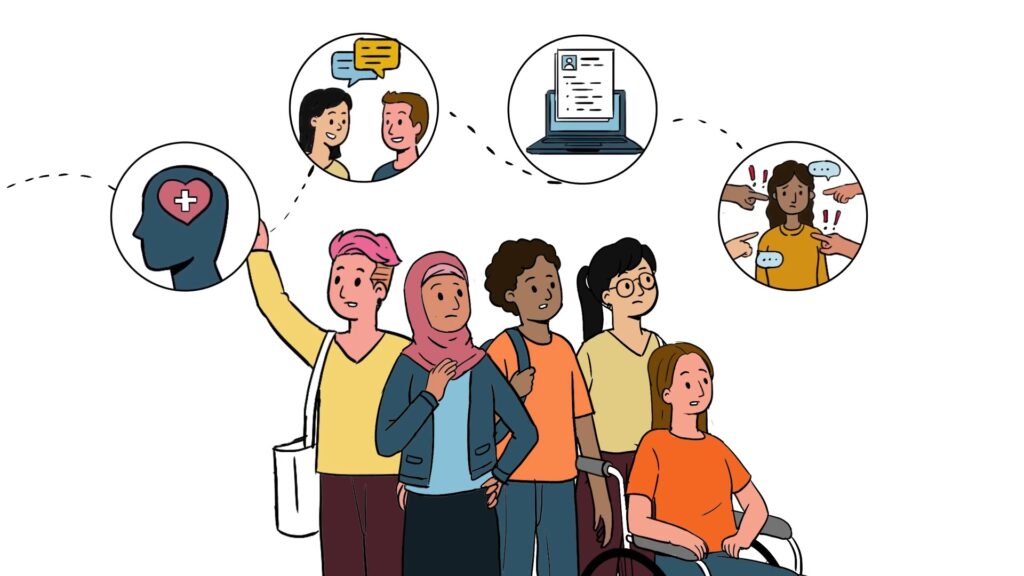
The uncomfortable truth is that many health stigma campaigns reinforce the stigma they are designed to reduce. Not because the teams running them do not care, but because the standard approach to stigma communication has structural problems that the research on stigma reduction has been pointing to for years. Campaigns that highlight discrimination can normalise it. Campaigns that emphasise the burden of a condition can reinforce the sense that affected people are burdens. Campaigns that aim for sympathy can reinforce the sense that affected people are different and pitiable rather than ordinary and capable.
This post is for the public health, NFP, and health service teams thinking about stigma reduction campaigns and trying to do better than the version that almost everyone has produced at some point. The argument here is not that stigma communication is impossible. It is that the standard playbook needs unpicking.
What the Research Actually Says
Several decades of stigma reduction research, particularly in mental health, HIV, and chronic disease, converges on a small number of consistent findings.
Education-only campaigns that focus on facts and statistics have relatively weak effects on stigmatising attitudes. People can know the facts about a condition and still hold stigmatising views, because stigma is rooted in social and emotional processes rather than information gaps.
Contact-based approaches, where the audience encounters affected people directly, tend to produce stronger and more durable shifts in attitudes than education alone. Even mediated contact, like watching video of affected people speaking for themselves, can produce measurable change.
The framing of affected people in the content matters enormously. Content that positions affected people as victims to be pitied, burdens to be managed, or risks to be contained tends to reinforce stigma even when the explicit message is “do not stigmatise these people”. Content that positions affected people as capable, ordinary, and authoritative about their own experience tends to reduce stigma more reliably.
Stigma reduction effects are often modest, frequently short-lived without reinforcement, and sometimes counterproductive in specific audience segments. This is not a reason to abandon the work. It is a reason to be precise about what specific stigma is being addressed, in which audience, with which mechanism.
The Dignity Test
One useful starting point for evaluating any stigma reduction concept is the dignity test. Watch the proposed content with the affected community in mind. Would the people whose condition is being depicted feel respected, accurately represented, and supported by this content? Would they share it with their own networks? Would they want to be associated with it publicly?
If the answer is no, or if the team is uncertain, that is signal worth listening to. Stigma reduction content that affected communities do not want to be associated with is unlikely to do its job, because the audience can detect the gap between message and dignity. Campaigns designed without the input of affected communities routinely fail this test, sometimes spectacularly.
This is where the principle of “nothing about us without us” earns its place in stigma communication. The most effective campaigns are co-designed with affected communities from the start, not run past them for approval at the end. Not-for-profit and health communications teams that build community co-design into their planning timeline produce stronger work and avoid most of the dignity failures that compromise weaker campaigns.
Common Patterns That Reinforce Stigma
A handful of recurring patterns show up in well-intentioned stigma campaigns that nonetheless make stigma worse.
The before-and-after frame. Showing someone affected by the condition as broken, isolated, or struggling, then showing them recovered and thriving, implicitly positions the affected state as the problem. For chronic conditions where recovery is not the goal, or for audiences currently in the affected state, this framing can be harmful. It tells people that their current self is the wrong self.
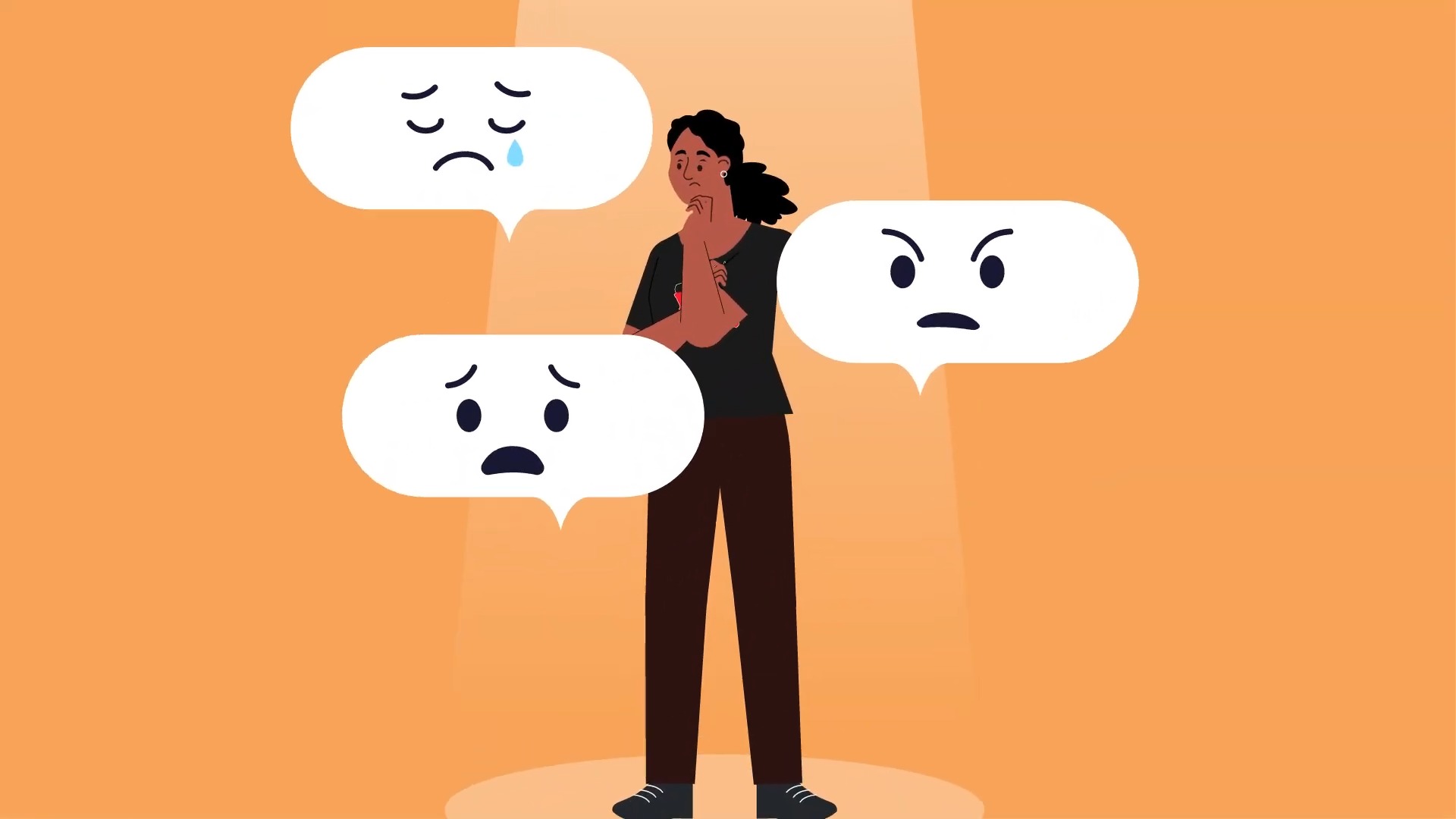
Cinematic sadness. Slow piano music, soft lighting, melancholy voiceover, lingering close-ups of affected people looking sad through windows. This visual grammar of suffering can feel like respect but actually positions the affected community as defined by their distress. Most people living with chronic conditions or experiences of stigma have ordinary lives that include sadness sometimes and many other emotions most of the time.
Charitable framing. Content that asks the audience to feel sorry for affected people and donate, support, or be kind. This can shift behaviour in narrow ways but reinforces the sense that affected people exist on the receiving end of charity rather than as full participants in society.
The “we are all the same underneath” message. Frequently used in good faith but problematic in practice, because it can imply that the affected experience is incidental, not formative, and that affected people are valued because they are like the audience rather than as themselves.
Statistics-led campaigns. Heavy emphasis on prevalence, cost, or burden. Useful for policy audiences but rarely useful for community attitude change. Statistics can also inadvertently reinforce the sense that affected people are a “problem at scale” rather than individual people with full lives.
What Tends to Work Instead
The campaigns producing stronger stigma reduction effects share several characteristics that distinguish them from the patterns above.
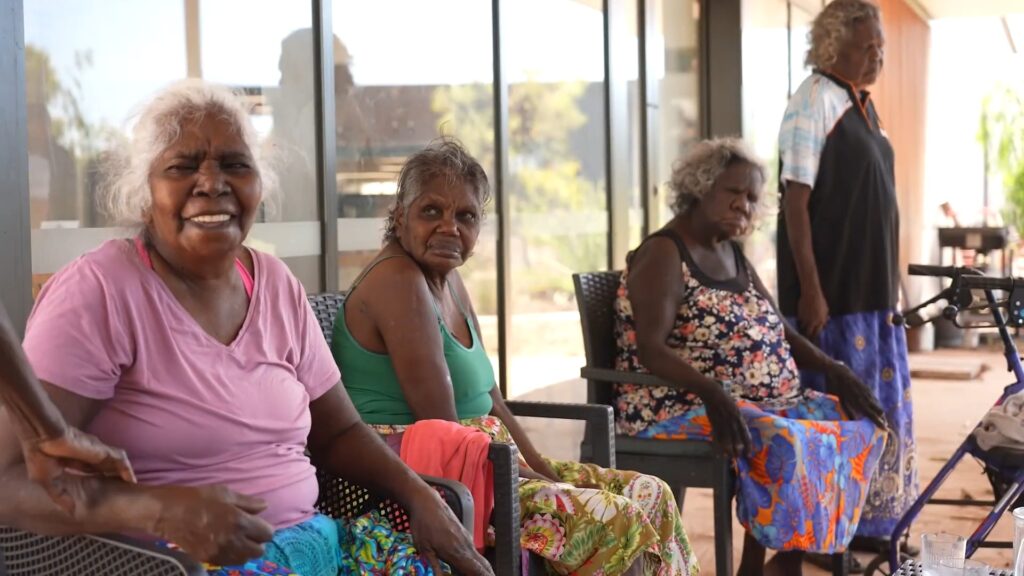
Affected people as authoritative voices, not subjects. Content where people with lived experience speak for themselves about their own experience, in their own words, with their own framing. Not interviewed about their suffering but engaged as experts on their condition and life.
Ordinary moments alongside difficult ones. Showing affected people doing the things everyone does. Working, parenting, gardening, eating, laughing at bad jokes. This communicates ordinariness in a way that direct messaging cannot.
Specific stigma, specific audience, specific mechanism. “Reducing mental health stigma” is too broad to design a campaign around. “Reducing manager hesitation to hire people with managed bipolar disorder” is specific enough to produce content that has a chance of working. The more specifically the stigma is named, the better the campaign tends to be.
Tone calibrated to ordinariness. Most affected people are not in crisis most of the time. Content that depicts them as constantly in crisis reinforces the sense that the condition is a defining feature. Tone closer to documentary than to public service announcement tends to do better work.
Affected communities as co-authors. Co-designed content avoids most of the dignity failures, brings authenticity that external production cannot manufacture, and produces work the community will actively share through their own networks.
The Specific Risks Around Lived Experience
Featuring affected people in stigma reduction content brings genuine ethical considerations that production teams often underestimate. The person on camera carries the visibility long after the campaign ends. Their family, employer, and community will see the content. Some affected communities have specific cultural or clinical considerations about disclosure. Consent processes need to be genuinely informed, ongoing, and respectful of the contributor’s right to withdraw.
The strongest practice in this space involves working with affected communities to identify spokespeople rather than recruiting them through casting, providing professional support before and after filming, drafting consent agreements that reflect the long-term implications of being publicly associated with the content, and giving contributors meaningful input into how their story is told.
This is also one of the categories where pre-launch consultation with the affected community is non-negotiable rather than nice-to-have. Content that affected communities object to should not go to air. The reputational and ethical risks of overriding that signal almost always outweigh the campaign benefits.
What Health Comms Teams Should Plan For
A few practical principles tend to produce better stigma reduction campaigns.
Start with the dignity test, not the creative brief. Before any production planning, walk through the proposed concept with affected community members. The questions to ask are about respect and accuracy, not creative quality. If the concept fails the dignity test, fix the concept.
Measure attitudes, not awareness. Awareness metrics are easy to collect and often unrelated to stigma change. Attitude tracking, with validated stigma scales where they exist for the condition in question, gives a more honest picture of whether the campaign worked.
Plan for the long term. Single-burst stigma campaigns rarely produce durable change. The strongest stigma reduction work runs across years, building cumulative familiarity with affected communities through repeated, low-key contact-based content.
Coordinate with service systems. Stigma reduction campaigns that succeed in encouraging help-seeking can overwhelm services that are not ready for increased demand. The most thoughtful campaigns plan service capacity alongside the communication itself. To see how this kind of sensitive health communication has come together for organisations across the sector, you can view our health and aged care work or browse our full portfolio here.
Ready to Plan a Stigma Campaign That Actually Helps
Health stigma campaigns matter, and the stakes are too high to keep producing the version that does not work. Teams willing to question the standard playbook, centre affected communities, and design for specific stigma rather than general awareness can do communication that materially shifts the experience of people living with the conditions and experiences being addressed.
If you are a public health, NFP, or health service team scoping a stigma reduction campaign, get in touch with the team. We work on sensitive health communication across mental health, chronic disease, infectious disease, and social wellbeing, and we are happy to talk through what a more thoughtful approach might look like for your specific campaign.