The Workplace Respect Video Problem
Most workplace respect videos do not work. People in HR, P&C, and capability roles already know this. The annual rollout of the workplace conduct module gets the green tick on the compliance dashboard, and three weeks later the same behaviours show up in the complaints log. The video was watched. The behaviour did not change. Everyone involved suspects the format is part of the problem, but the next year’s video tends to look very much like the last one.
This pattern is not because organisations do not care about workplace respect. It is because most workplace respect video gets produced from the wrong starting point. It begins from a legal or policy framing, not a behavioural one. It centres the organisation’s risk position rather than the human reality. And it asks the audience to do something the format cannot support: change how they treat each other.
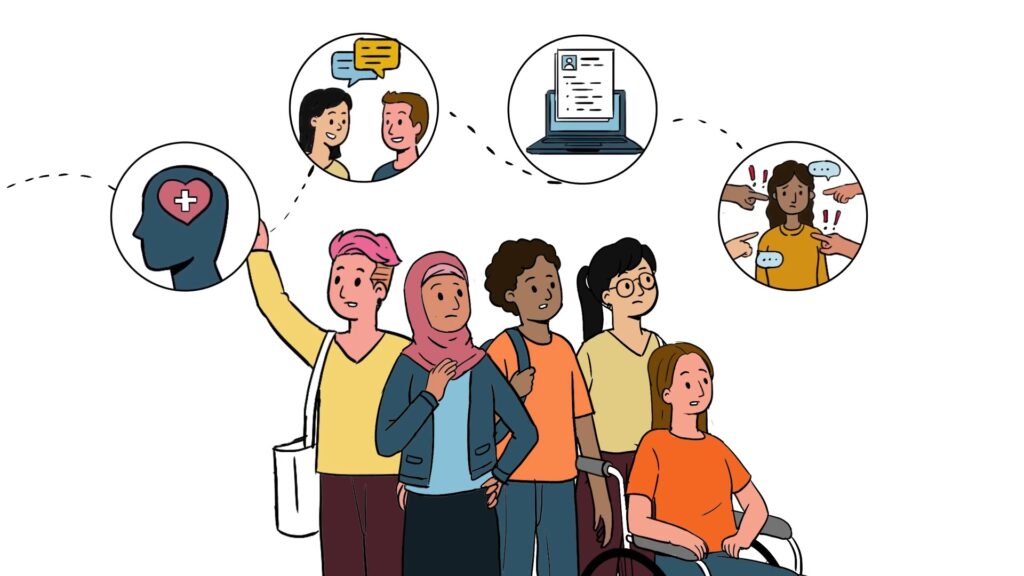
This post is for HR, people and culture, capability, and risk leaders thinking about workplace respect, anti-bullying, family violence response, ethical conduct, or related behaviour change content. The argument here is not that video cannot do this work, but that the standard approach to making it is structurally limited, and a different approach produces measurably different results.
Why the Standard Approach Fails
The typical workplace respect video looks something like this. A senior executive talks to camera about the organisation’s commitment to a respectful workplace. A policy summary appears on screen. There is a definition of unacceptable behaviour. There is a reminder that this behaviour will not be tolerated. There is a link to the reporting pathway. Total runtime, five to seven minutes. Audience response, predictable.
The reasons it fails are not mysterious. The format is built around compliance, not behaviour change. The audience is positioned as a potential offender being warned, not as a person being supported. The voice is institutional rather than human. The content describes problems abstractly rather than showing how they actually appear in workplaces. And the call to action is reporting, which is downstream of the behaviour the video is supposed to influence.
This kind of content is often produced because it is the safest content to make. It avoids the discomfort of confronting the actual texture of workplace harm. It satisfies legal and risk stakeholders. It generates a clean compliance record. And it leaves the underlying culture untouched. Organisations that want different results have to make different content.
What Actually Shifts Behaviour
The research on behaviour change communication is reasonably consistent across fields. Effective behaviour change content does several things that compliance-style content does not. It makes the behaviour vivid through specific scenarios rather than abstract description. It models the alternative behaviour, not just the problem. It treats the audience as capable of growth rather than as a risk to be managed. It acknowledges the social and emotional complexity of the situations being depicted. And it connects the behaviour to consequences the audience already cares about.
For workplace respect content, these principles translate into specific production decisions. The content should depict realistic workplace situations recognisable to the audience. It should show what good intervention looks like, not just what poor behaviour looks like. It should include voices from people who have experienced the harm being discussed, not just policy framing about it. And it should give the audience something to do with what they have learned, beyond reporting.
This is where case study video work earns its place over generic animated explainers. The specificity, the realism, and the human voice that case study format brings are exactly what behaviour change content needs to do its work.
The Lived Experience Question
One of the most important production decisions in workplace respect video is whether and how to include lived experience voices. People who have experienced workplace bullying, sexual harassment, family violence affecting their work, or ethical misconduct in their organisation can bring a credibility and emotional truth to the content that nothing else can. They can also be harmed by the production process if it is not handled well.
Organisations producing this kind of content need to think carefully about consent, support, and the long-term welfare of contributors. Genuine informed consent means the contributor understands exactly how the content will be used, for how long, in which contexts, and what rights they have if they want it withdrawn. Support means professional psychological support is available before, during, and after filming. Long-term welfare means thinking about what happens if the content is viewed by colleagues, if it appears in legal contexts, or if the contributor’s circumstances change.
Some organisations choose to use composite stories or scripted dramatisation rather than direct lived experience for these reasons. This can work well when the script is informed by genuine consultation with people who have lived experience and is reviewed by them. It is less effective when it is written from imagined experience by people who have not done the consultation.
The Bystander Frame
One of the most consistently effective frames for workplace respect content is the bystander frame. Rather than addressing the audience as potential perpetrators or potential victims, it addresses them as witnesses with agency. What do you do when you see this happen. What does a useful intervention look like. What gets in the way of speaking up. How do you support a colleague who is going through this.
The bystander frame works because it gives the majority of the audience, who are neither the people doing harm nor the people being harmed, a clear role and a concrete behaviour to adopt. It treats the workplace as a social system rather than a collection of individual risk profiles. And it shifts the emotional posture of the content from warning to invitation.
Producing strong bystander-frame content requires careful direction. The scenarios need to be recognisable to the audience but not so close to actual incidents that they cause harm. The interventions modelled need to be realistic, including the fact that they are sometimes awkward, uncertain, or imperfect. And the content should make clear that bystander action exists on a spectrum, from direct intervention to checking in afterwards, so audiences see multiple paths into the behaviour.
Testing Before You Launch
Workplace respect content is one of the categories where pre-launch testing is most worthwhile. The audience response to this kind of content is harder to predict than it is for product or service communication, because the topic is emotionally loaded and the room for unintended impact is wider. Concept testing with representative employee groups before final production catches the issues that internal stakeholder review misses.
What testing should look for: whether the audience finds the scenarios realistic, whether the modelled behaviours feel achievable, whether any aspect of the content might cause harm to people with related lived experience, whether the framing might be misread, and whether the call to action is clear and proportionate. These are different questions to the ones legal and risk review tends to ask, and they need to be in the process if the content is going to actually land.
Distribution and Reinforcement
A workplace respect video that is launched once and then sits in the learning management system is a video that has been produced, not delivered. The strongest organisations build workplace respect content into broader, ongoing cultural and leadership work. The video is one moment in a programme, not the programme itself.
That means thinking about how the content shows up across the year. Team-level discussion sessions led by managers using the video as a prompt. Leadership reinforcement that mirrors the video’s framing in everyday communication. Connection to other organisational rhythms, performance conversations, team agreements, leadership development. The video itself does relatively little. The work that surrounds it does most of the lift.
To see how purpose-driven and behaviour change content work has come together for organisations across sectors, you can browse our portfolio here.
Ready to Make Content That Actually Shifts Behaviour
Workplace respect content matters too much to keep producing the version that does not work. The organisations getting better results from this work are the ones willing to step away from the standard format and design content from the behavioural outcome backwards.
If you are an HR, P&C, capability, or risk leader scoping a workplace respect, anti-bullying, family violence response, or ethical conduct content project, get in touch with the team. We work with organisations across government, NFP, enterprise, and the public sector on sensitive content of this kind, and we are happy to talk through what a stronger approach might look like for your specific context.