Some topics resist straightforward filming. When a government agency needs to explain coronial processes to families, communicate domestic violence support services, or help First Nations communities navigate complex legal systems, the choice of format carries real weight. The wrong approach can undermine trust before a single word lands.
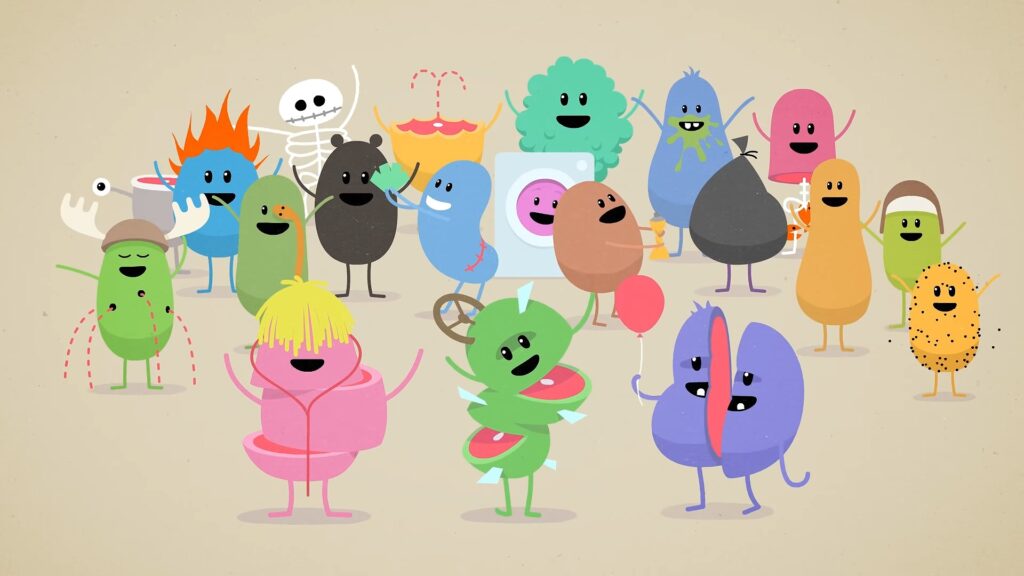
Animation has become the format of choice for a growing number of government agencies working on exactly these challenges. It is not chosen for aesthetic reasons. It is chosen because it works.
The Problem With Live Action on Sensitive Topics
Live action is powerful when you need human connection, credibility through real faces, and emotional resonance grounded in recognisable experience. For many government communications, those strengths are genuine assets. But for certain types of content, live action introduces problems that are hard to solve in post-production.
Casting becomes fraught when the topic involves marginalised communities, trauma, legal jeopardy, or stigmatised health conditions. Who represents the audience? What assumptions does a real face carry? For topics involving domestic violence, mental health crisis, correctional systems, or culturally specific community experiences, a misrepresented face can do more damage than no video at all.
Privacy is another constraint. Interviewing real people about sensitive experiences requires significant ethical processes, consent frameworks, and often legal review. Agencies working in child protection, criminal justice, and health frequently cannot film the real people their content is designed to serve.
Location is a third factor. Some processes, environments, or systems are not filmable. Animation removes that constraint entirely.
What Animation Gives You That Live Action Cannot
When you choose animation for sensitive government communications, you gain a level of control that live action simply cannot match.
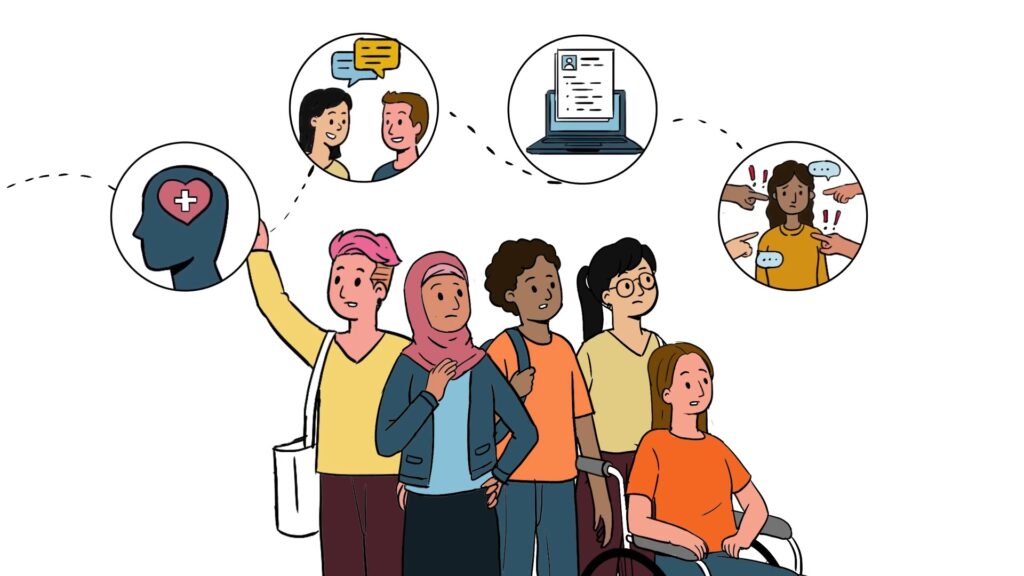
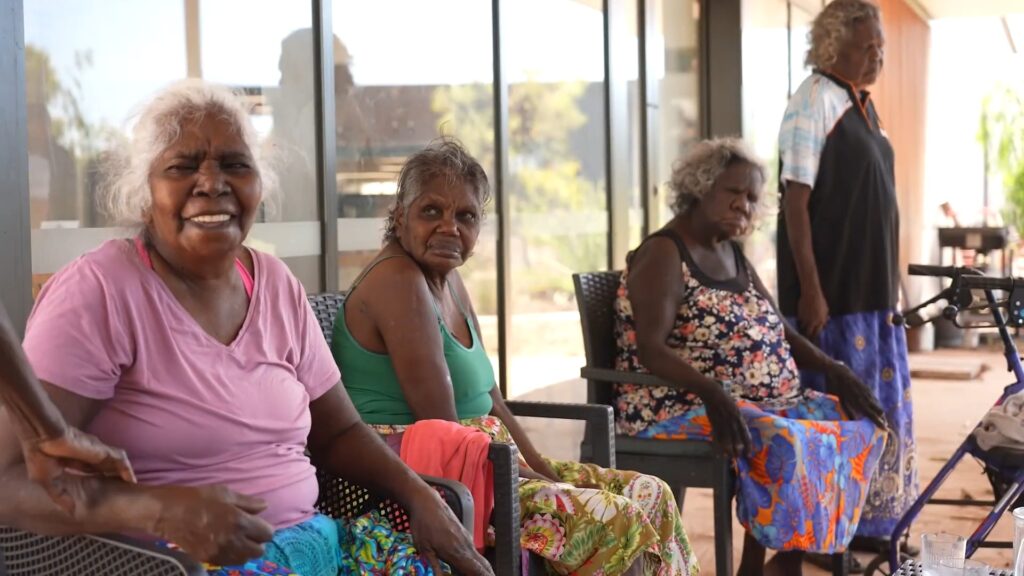
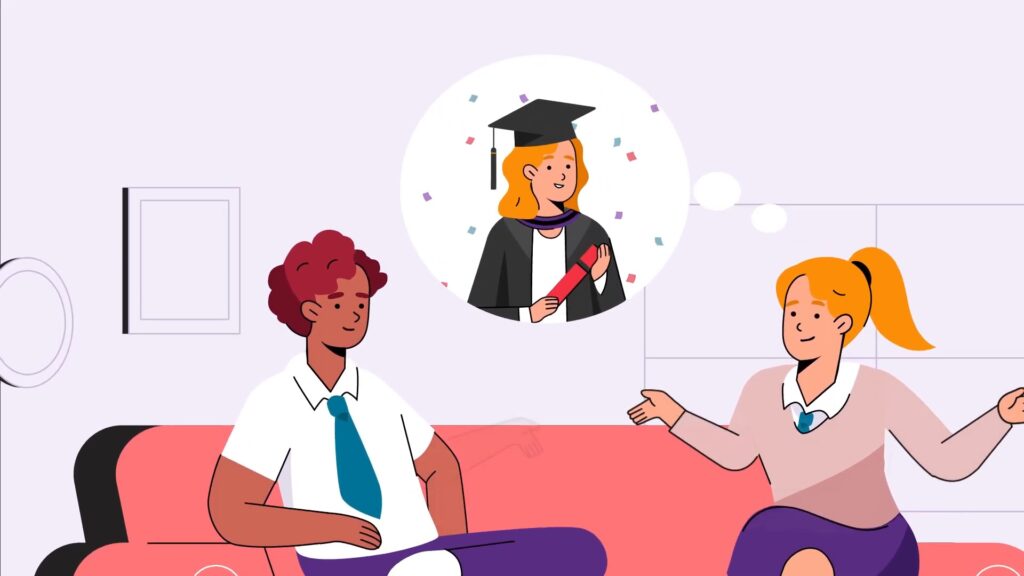
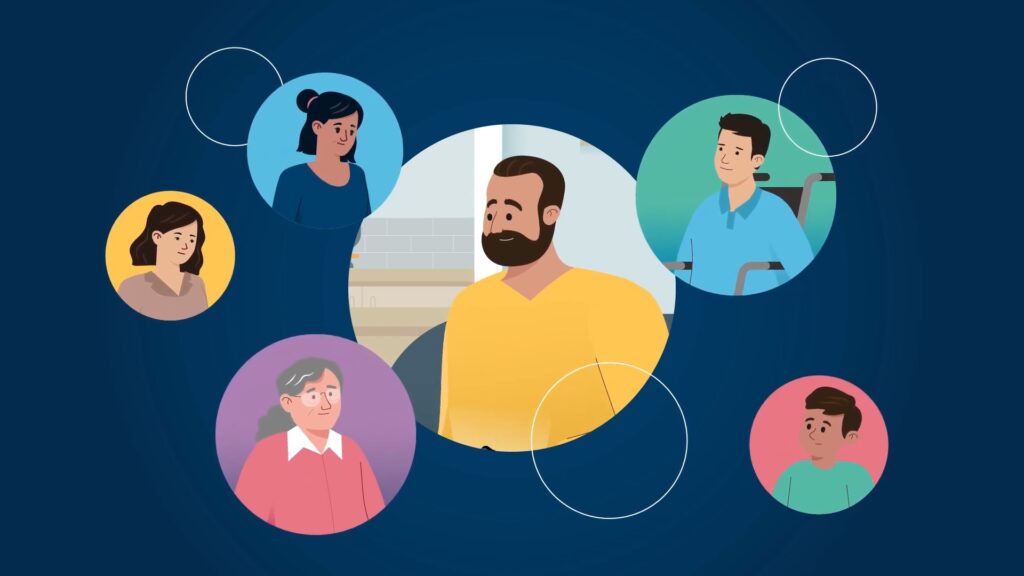
You control representation. Characters can reflect your target community without placing real people in vulnerable positions. Skin tone, age, gender presentation, family structure, and cultural context can all be designed deliberately. This is particularly important for communications aimed at Aboriginal and Torres Strait Islander communities, culturally and linguistically diverse audiences, or populations where trust has historically been low.
You control tone with precision. A voiceover, music bed, colour palette, and pacing can be adjusted until the emotional register is exactly right. There is no unwanted subtext from a location, a costume choice, or an actor’s expression. The message is what you intend it to be, nothing more.
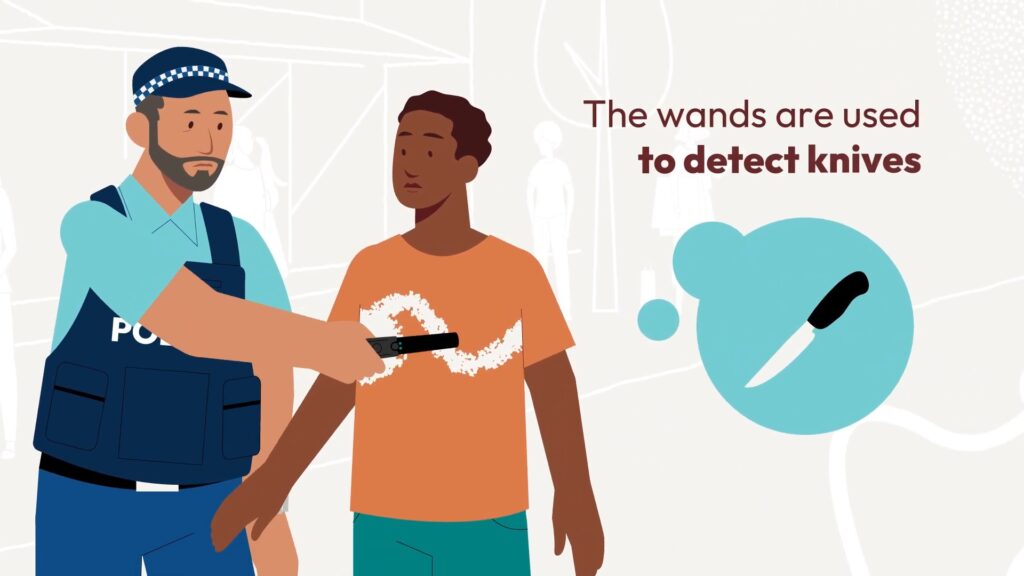
You control complexity. Government processes are rarely simple. Coronial proceedings, eligibility criteria for housing support, child safety intervention frameworks: these involve multiple steps, multiple actors, and often counterintuitive sequences. Animation lets you diagram these processes clearly, show cause and effect, and guide an audience through steps in a way that a talking head interview cannot.
You can also update content without reshooting. When legislation changes, when processes are amended, or when a campaign needs to be extended, animated content can be revised modularly. A single scene can be updated without touching the rest of the video. For government agencies managing long-term programs with evolving policy environments, this is a significant operational advantage.
Where This Shows Up in Practice
Across the government sector, animated video is now routinely used for content that touches on legal rights and entitlements, mental health and crisis support, family and domestic violence services, correctional and justice systems, housing policy and eligibility, and public health education on stigmatised conditions.
In each of these areas, the common thread is the same. The audience is often in a vulnerable position. The information is complex and consequential. The tone must be accessible without being patronising. And the stakes of getting it wrong, whether through poor representation, an overwhelming script, or an off-putting visual treatment, are real.
Animation does not solve the communications challenge on its own. It still requires careful scripting, audience insight, and strategic thinking about what the viewer needs to understand and do. But it removes several of the structural barriers that live action introduces, which is why it keeps appearing in exactly these contexts.
The Format Decision Is a Strategic One
Government communications managers are sometimes tempted to default to live action because it feels more credible or more human. That instinct is understandable. But credibility in government communications is not just about format. It is about accuracy, respect for the audience, cultural safety, and clarity of message.
Animation, done well, delivers all of those things. It respects the audience without exposing them. It explains complexity without overwhelming. It represents communities without misrepresenting individuals. That combination is difficult to achieve through any other format for the most sensitive types of content.
The decision about which format to use should always be driven by the audience, the topic, and the outcome you need. For many sensitive government communications, that analysis points clearly toward animation. Not because it is easier, but because it is more likely to work.
If you are working through a brief that involves sensitive subject matter and you are unsure which format is right, the answer is rarely obvious from the brief alone. It requires a conversation about audience, risk, and intent. You can explore how animation works across different government contexts, or take a look at our work across the public sector to see how these decisions play out in practice.
Ready to Talk Through Your Brief?
If you have a sensitive communications challenge and you are weighing up format options, we would be glad to help you think it through. Get in touch with the Punchy team for a straightforward conversation about what will work for your audience and your goals. You can also browse our portfolio to see the range of sensitive and complex topics we have approached through animation for government and public sector clients.