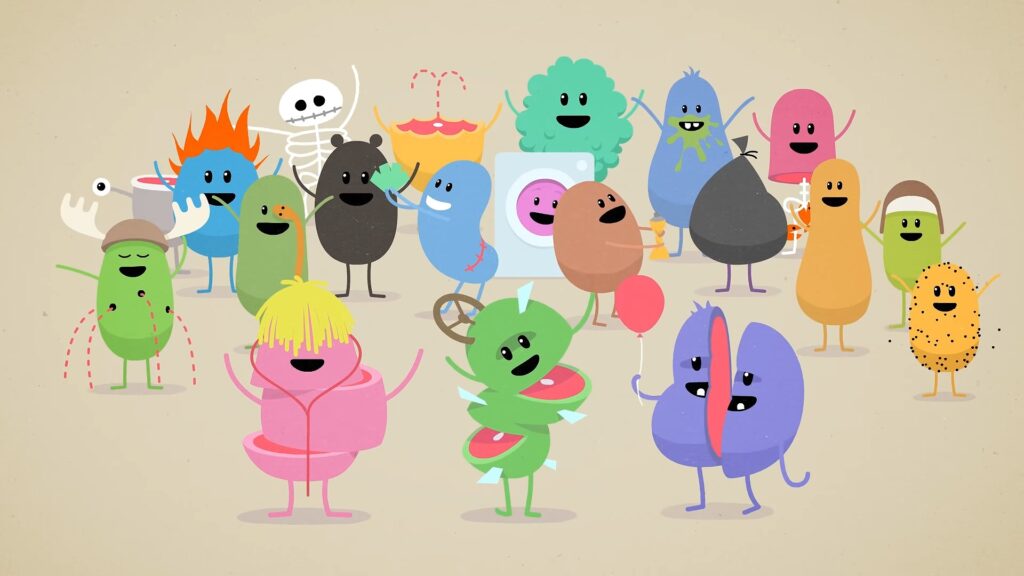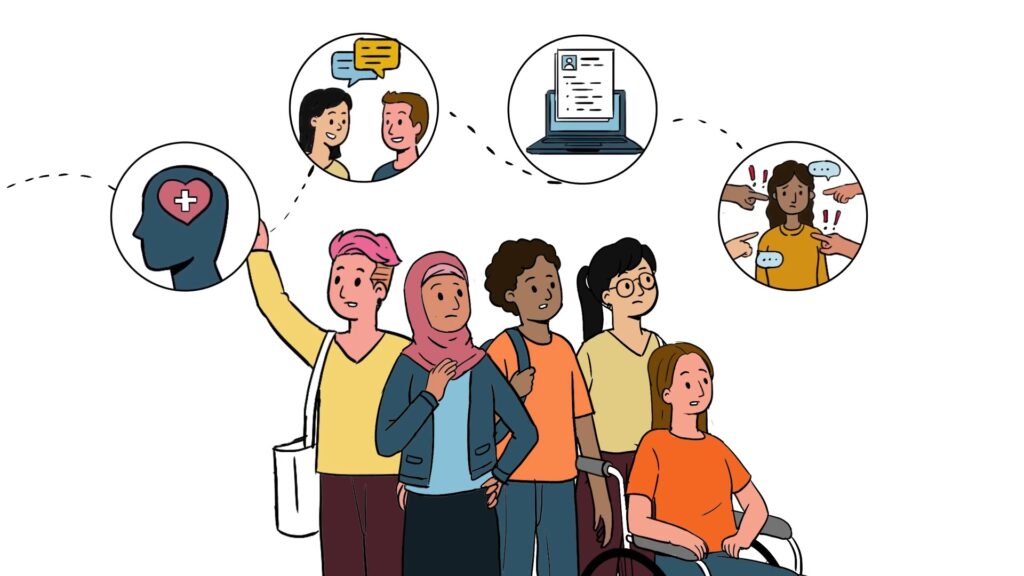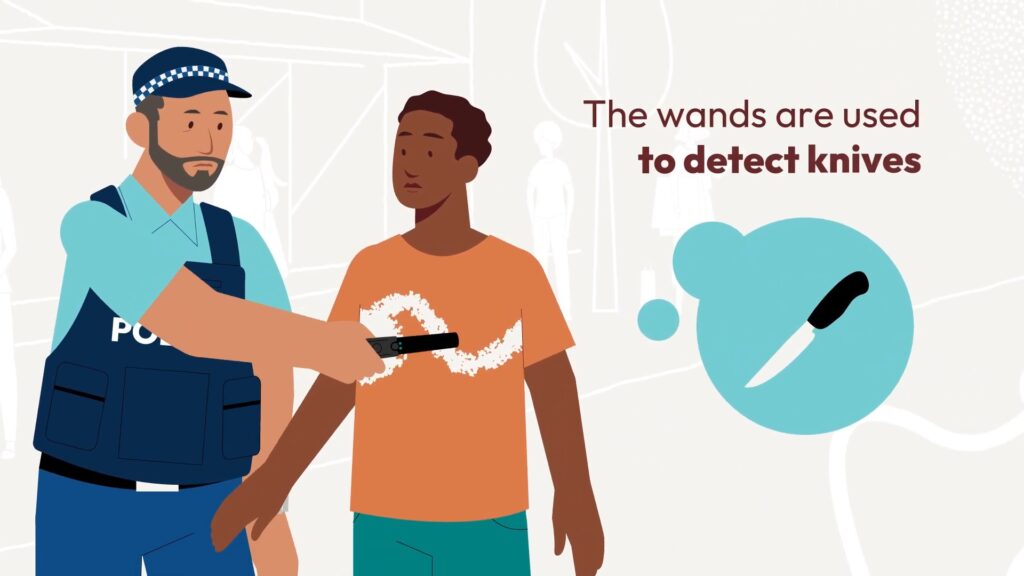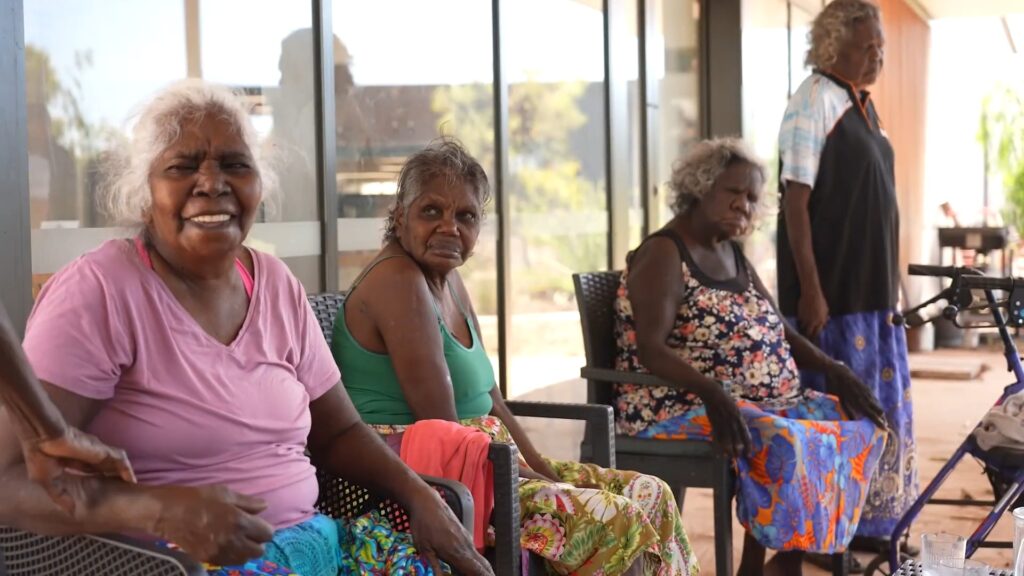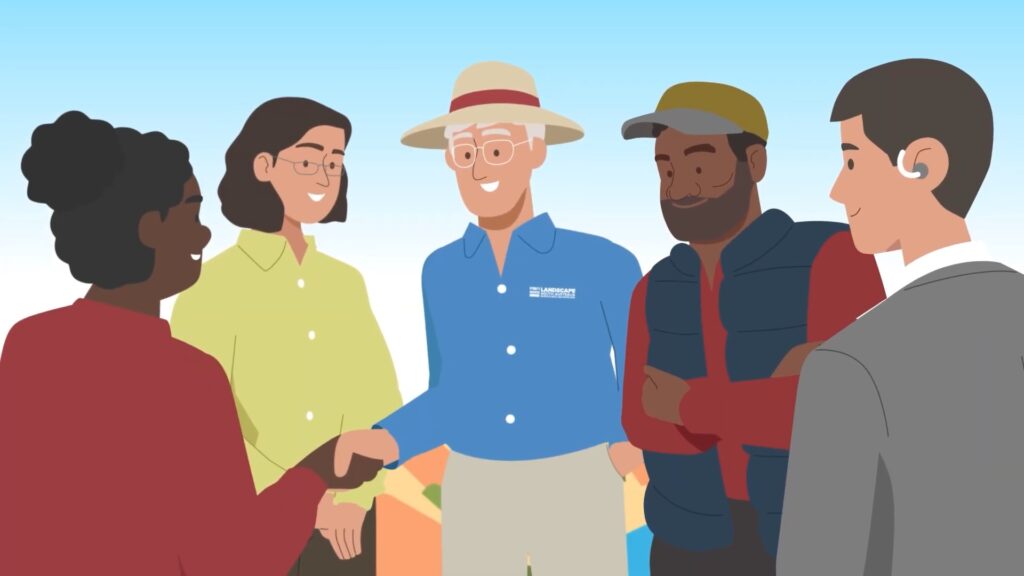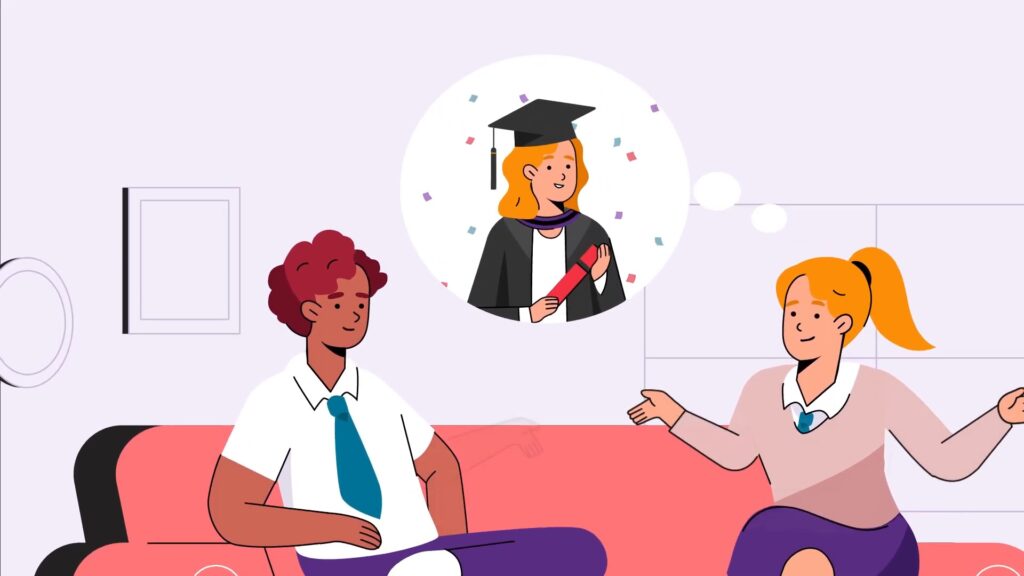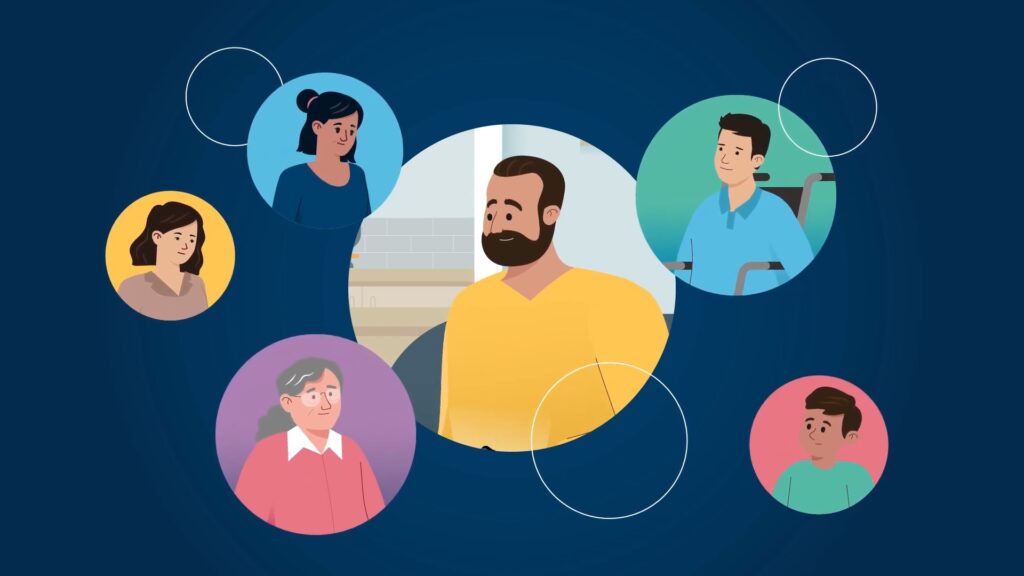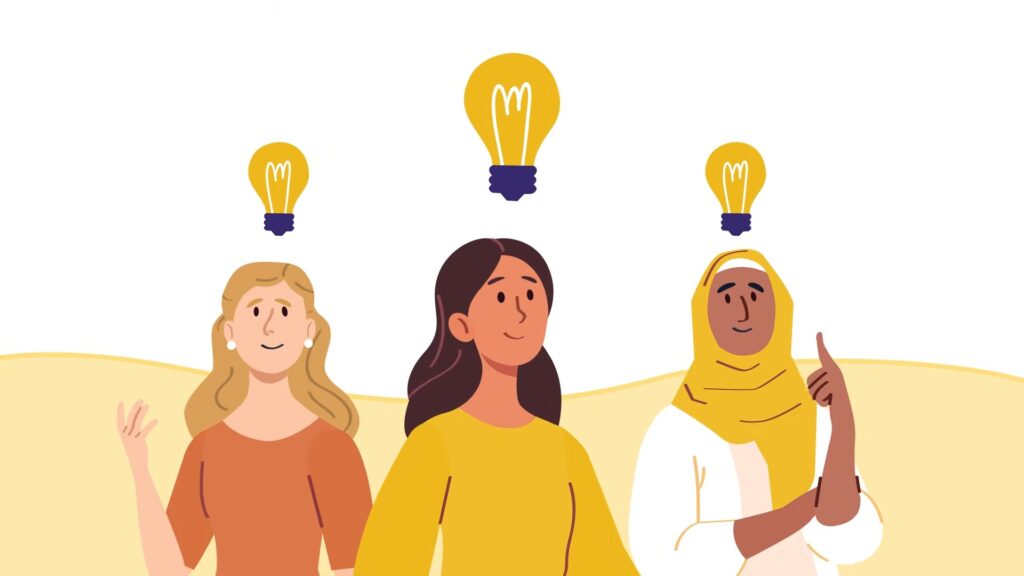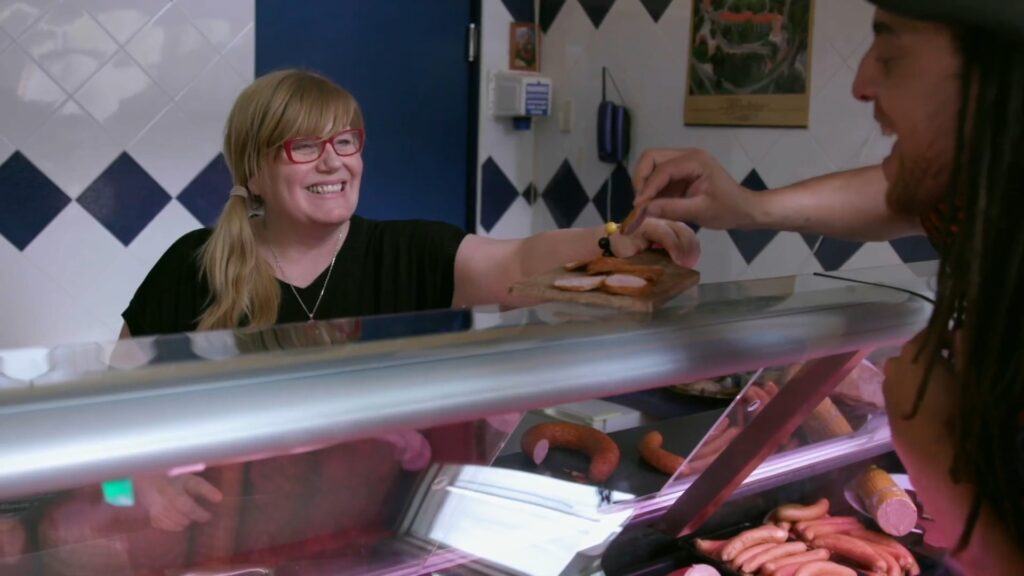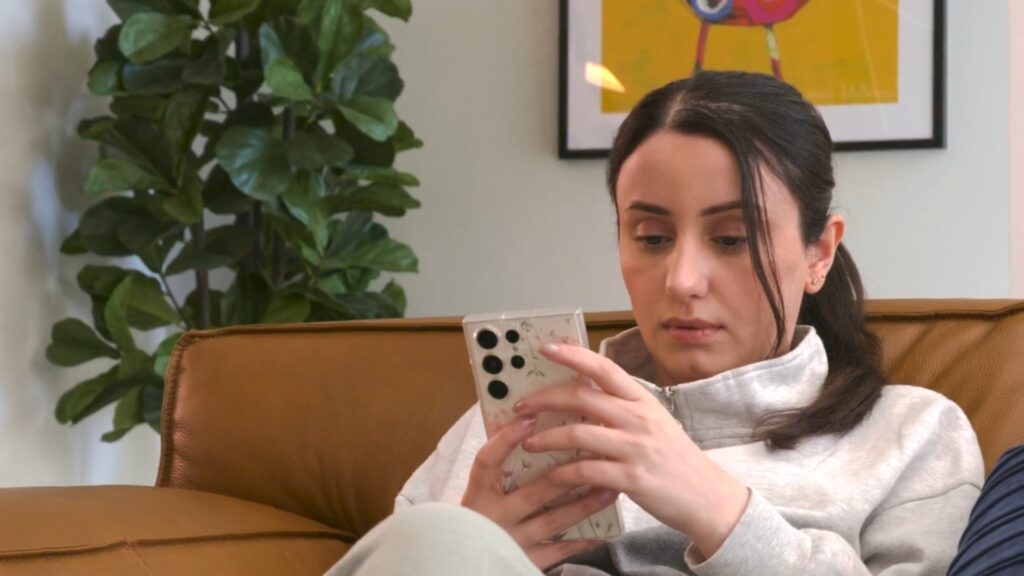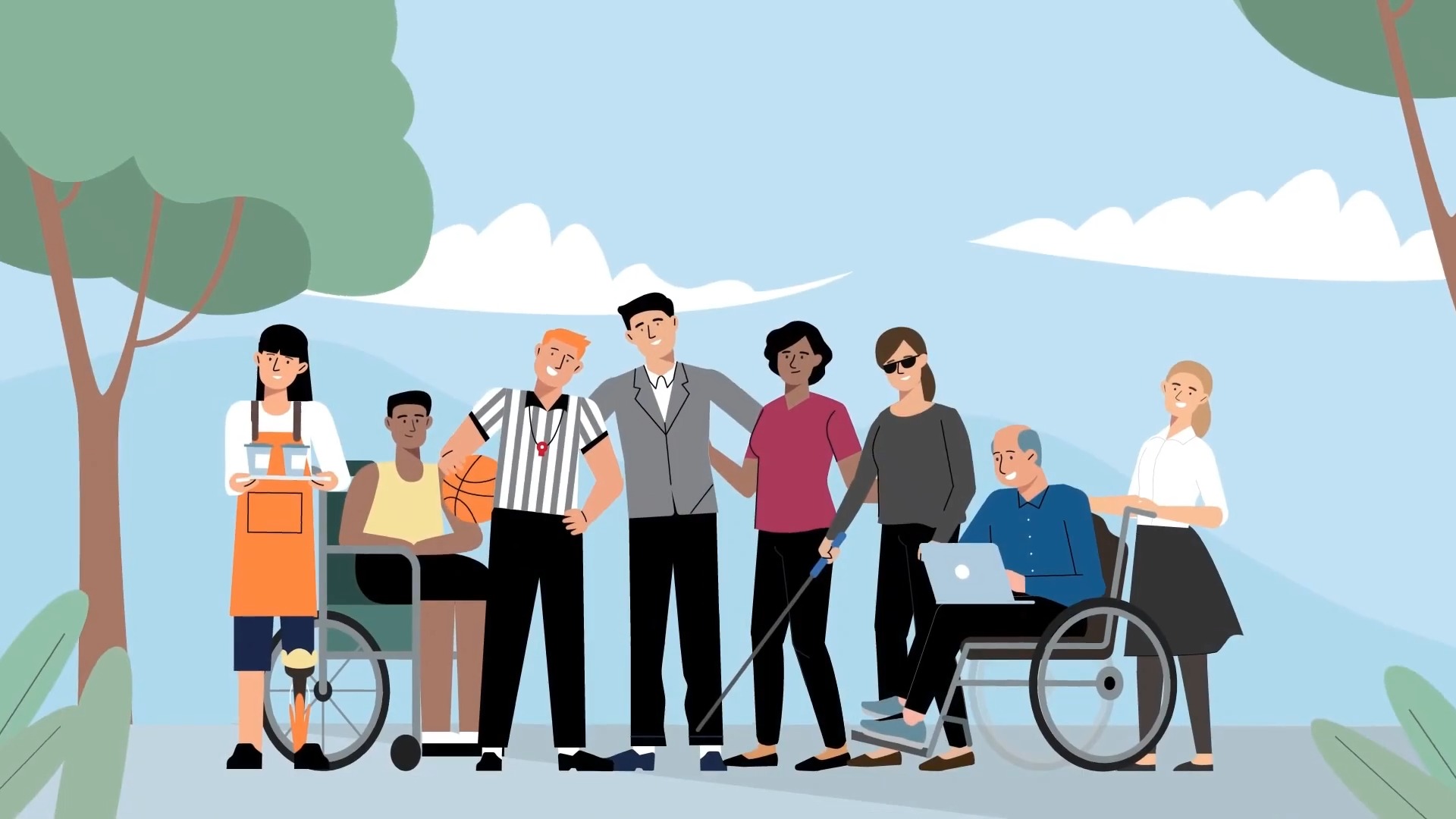
Animated videos for healthcare organisations are short, scripted explainer or training videos that use illustration and motion graphics to communicate health information, clinical processes, or patient guidance in a way that is easier to understand than dense text. They are increasingly used by hospitals, peak bodies, charities, and government health agencies to lift comprehension and prompt action.
That matters because only around 40% of Australian adults have the level of individual health literacy needed to meet the demands of everyday life, according to the Australian Commission on Safety and Quality in Health Care. The remaining 60% struggle to understand and act on health information as it is usually presented, which has direct consequences for treatment adherence, preventable hospitalisations, and equity of care.
Punchy Studio is an animation studio that has worked extensively across the health and aged care sector and the broader not-for-profit space. Over 15+ years we have produced more than 1,500 videos and 6,000+ minutes of content across government, healthcare, not-for-profit and education clients including Palliative Care Australia, Diabetes Australia, the Stroke Foundation, Lung Foundation Australia, Asthma Australia, Jean Hailes, PANDA, and Dementia Support Australia.
This post is a portfolio of 12 healthcare animations we have produced, drawn from real briefs across patient education, clinical training, public health campaigns, and condition awareness. It is written for communications managers, marketing leads, and program officers inside health agencies, peak bodies, and clinical organisations who are weighing up whether animation is the right tool for a project, and what it can actually achieve in this sector.
Types of Healthcare Animation
Healthcare animation is not a single thing. The 12 examples in this post fall into four working categories, and the category you are in shapes everything from script length to voiceover direction to where the video gets deployed.
1. Patient and family education
Short videos aimed at people newly diagnosed, recently referred, or supporting a loved one. The job is to demystify a condition or service, reduce fear, and prompt a next step. These are often the first piece of content a family encounters after a diagnosis, which is why tone matters as much as accuracy. We work on these often through our explainer video service.
2. Clinical and workforce training
Animations made for nurses, GPs, aged care staff, allied health, or frontline workers, designed to embed a procedure, framework, or set of behaviours. These run longer, lean on character-driven scenarios, and need to be precise enough to survive clinical review. Our training video service covers most of this work.
3. Public health and behaviour change campaigns
Animations built around a specific behavioural goal, quit vaping, get a flu shot, refer to a service, with audience research underpinning the creative. They tend to run across paid social, YouTube pre-roll, and broadcast.
4. Condition and service awareness
Animations that explain what an organisation does or what a condition is, often sitting at the top of the funnel on a charity website or on the homepage of a peak body. They are evergreen, reused for years, and need to age well.
The 12 examples below cover all four. Where relevant, we have flagged which category each falls into.
12 Best Healthcare Animation Examples
1. Palliative Care Australia
Nearly 29,000 children and young people in Australia are living with conditions that will limit their life expectancy. Most of their families will be introduced to paediatric palliative care by a treating team, and most will immediately associate the term with end-of-life care. That association creates a barrier: families who could benefit from additional support avoid it entirely because the language itself feels threatening. The AIHW found that 54% of children who died with a life-limiting condition in 2021 missed out on specialist paediatric palliative care, and one in three were referred only in the month before death.
Palliative Care Australia (PCA) had built a dedicated paediatric palliative care website with resources grounded in lived experience, but the gap between having good resources and reaching overwhelmed families remained.
The 60-second animation we produced is designed as the first resource a family encounters after hearing the term “paediatric palliative care”. The script follows a single thread: it opens with acknowledgement, moves through reassurance, and lands on a low-pressure call to action. Two narrators were directed to sound calm and parental rather than clinical, and the 2D style is clean and soft, with characters representing the diversity of Australian families and care teams. Animation gave PCA control over tone and representation without the ethical complexity of filming real families in care settings.
We produced this for PCA as the introductory video for their paediatric palliative care platform, deployed across YouTube, the PCA website, LinkedIn, and Facebook.
Check out the full case study here.
2. Diabetes Australia
Diabetes Australia, through the National Diabetes Services Scheme (NDSS), supports adults living with Type 1 diabetes to manage their condition and live well.
Exercise is one of the more anxiety-inducing aspects of self-management for this audience. Newly diagnosed adults, and young people taking over their own care for the first time, often want to exercise but worry about blood glucose management and the risk of hypos during activity. The brief was for an animation that would build confidence rather than caution.
The two-minute motion animation we delivered is one of five in a series. It walks viewers through different types of exercise (aerobic, resistance, high-intensity, flexibility) and what each one means for blood glucose levels. The aesthetic continues the established NDSS visual style so the resource sits naturally alongside their existing content. Hardcoded captions and downloadable subtitle files were included, which matters for both accessibility and clinical deployment.
We produced this for the NDSS, with the series integrated into resources for adults with Type 1 diabetes and the new Type 1 diabetes and me website.
3. Bova
Bova produces veterinary compounded medicine to a higher quality standard than most competitors, but on paper that is hard to tell. Their Quality Assured lines involve real investment: GMP-licensed API sourcing, dedicated sterile environments, precision equipment, and end-product testing for potency and stability before anything ships. A vet comparing prices cannot see any of that. A cheaper product from a shopfront compounder looks, on the surface, like the same thing. Bova needed vets to understand the specific difference so they could justify the price point to colleagues and pet owners.
The one-minute animation we produced walks through Bova’s quality process in a single, confident sequence. Animation was the right call as it gave full control over what the audience sees and when, making invisible quality-control processes visible without the result feeling like a facility tour. The video opens on the patient, furry, feathered or finned, then builds the competitive argument step by step without ever naming a competitor. It closes on an apples-and-pears metaphor that lets the audience draw the conclusion themselves.
We produced this for Bova as a sales enablement asset for their veterinary audience.
Check out the full case study here.
4. Dementia Support Australia
Dementia Support Australia (DSA), an initiative led by HammondCare and funded by the Australian Government, supports people living with dementia and the teams who care for them. They came to us to help solve the stressful transition of patients from hospital settings into residential aged care. The goal was to give aged care staff practical, actionable strategies to reduce resident agitation and improve the settling-in process for both the individual and their families.
The character-driven animated training video we produced follows the journey of Jack, a person living with dementia, and Harry, a care team member. The approach uses relatable storytelling and soft, approachable visual design to illustrate five key steps for a successful transition. Bespoke character animation and an empathetic voiceover simplify complex care concepts into easy-to-follow instructions, with the pacing pitched at time-poor healthcare professionals who are watching this as part of professional development rather than entertainment.
We produced this series for DSA as a professional development resource for aged care providers across Australia, supporting the use of tools like the All About Me resource.
5. Stroke Foundation
The Stroke Foundation is a national charity dedicated to preventing, treating, and beating stroke. They engaged us to help patients and their families understand the stroke recovery journey, which is daunting because it spans the immediate emergency response, hospital treatment, rehabilitation, and long-term lifestyle changes all at once. The brief was to distil the most important information into 12 essential points that a recently discharged patient or family member could absorb in a single sitting.
The animated explainer series we produced uses clear iconography and calming visuals to explain what happens when blood flow to the brain is interrupted. Our approach covers both the physical and emotional dimensions of recovery, including post-stroke fatigue, depression, and driving restrictions, topics that often catch patients off guard because they are not always raised in hospital. A reassuring voiceover carries the educational content, and motion graphics reinforce the call to action.
We produced the series for the Stroke Foundation as a resource for the website and hospital settings, supporting the “My Stroke Journey” book and the StrokeLine helpline.
6. Asthma Australia
Asthma Australia is the national peak body for the over 2.7 million Australians living with asthma. They approached us to help lift uptake and correct use of written asthma action plans, a clinically endorsed tool that gives people with asthma a clear, personalised set of instructions for managing their condition day to day, recognising deterioration, and responding to flare-ups. Despite the clinical evidence, many people with asthma either do not have a plan or do not refer to theirs.
The animated explainer series we produced walks viewers through what an asthma action plan is, why it matters, how to get one from their GP, and how to use it across different scenarios. The animation uses Asthma Australia’s brand system with a warm, accessible illustration style that makes clinical content approachable rather than dry. A friendly voiceover and supportive motion graphics carry the piece across each of the key behaviours the plan covers.
The video series was deployed across web, social and GP outreach channels to support both consumer awareness and clinical referral conversations through our animation service.
7. Sydney Local Health District
Sydney Local Health District (SLHD) provides public health services to the central and inner west of Sydney. They engaged us to produce a culturally sensitive animated video addressing postpartum family planning for Aboriginal and Torres Strait Islander families. The brief was to educate new parents on birth spacing, specifically the fact that pregnancy can occur as early as three weeks after birth, while making space for the role of Aboriginal Health workers and midwives in the conversation.
The animated explainer we produced uses relatable character designs and inclusive language to encourage families to “have a yarn” with their health workers. The content covers practical advice, such as the recommendation to allow the body at least 12 months to heal between pregnancies, alongside an overview of contraceptive options including the IUD and Implanon. Soft motion graphics reinforce the call to action, framing contraception as part of a birth plan rather than something separate from it.
We produced this for SLHD for deployment in clinical settings and community health portals, with cultural consultation embedded throughout the production. The work draws on our experience producing content for Aboriginal and Torres Strait Islander audiences and state government health agencies.
8. Multicultural Women’s Health Centre
The Multicultural Women’s Health Centre (MCWH) is a national, community-based organisation run by and for migrant and refugee women. They engaged us to create an animated video addressing the communication challenges faced by migrant women who provide care and support for loved ones living overseas. The brief was to define long distance caregiving and acknowledge the emotional and financial toll it takes on the caregiver, who is often invisible in the broader carer conversation.
The animated explainer we produced uses soft visuals and diverse character designs to illustrate the various forms of support long distance caregivers provide, from financial assistance to emotional check-ins via video call. The script validates feelings of guilt, anxiety, and overwhelm that often accompany these responsibilities, while offering practical self-care strategies. A gentle voiceover and warm motion graphics carry a message of support and empowerment.
We produced this for MCWH for deployment on their website and across social media platforms to reach migrant communities. The piece sits within our broader work for not-for-profit organisations communicating with culturally and linguistically diverse audiences.
9. Autism: What Next?
Autism: What Next? is an Australian digital resource designed to provide a roadmap for individuals and families following an autism diagnosis. They came to us to create an introductory video that would demystify autism for newly diagnosed families and move away from the clinical jargon and frightening online definitions people typically encounter first. The brief asked for a supportive and realistic overview, presenting autism as a highly individual experience of processing the world differently rather than a deficit narrative.
The animated explainer we produced uses soft character designs and relatable scenarios to illustrate how autism can present, from social navigation and attention to detail to unique sensory experiences. Our approach focused on a message of community and acceptance: acknowledging that while an initial diagnosis can be overwhelming, it often leads families to a supportive tribe. The compassionate voiceover and strategic motion graphics are paced for both adult viewers and parents watching with children.
We produced this for Autism: What Next? as the central pillar of their website, designed to encourage users to explore further resources and join the community. The video sits within our explainer video work for not-for-profit clients.
10. PANDA
Perinatal Anxiety & Depression Australia (PANDA) provides specialist support to expecting and new parents navigating mental health challenges around birth. They engaged us during a period of heightened global unrest, natural disasters, and pandemic disruption to help communicate coping strategies to parents experiencing acute external stress on top of an already vulnerable period. The brief asked for a tool that could acknowledge normal feelings of being overwhelmed while pointing to clear, actionable pathways to support for both parents and their infants.
The animated explainer we produced uses soft, hand-drawn character illustrations to create immediate warmth and relatability. The visual approach focuses on diverse family structures and everyday domestic settings, keeping the message grounded rather than abstract. Empathetic scripting, custom character animation, and a calming voiceover combine to validate parental stress while offering practical hope, and motion graphics highlight the PANDA helpline and website so vital contact information stays prominent.
We produced this for PANDA for deployment across their social media platforms and digital support hubs. The piece draws on our work producing communications for mental health and not-for-profit organisations where tone is the entire job.
11. Lung Foundation Australia
Lung Foundation Australia engaged us to address rising vaping rates among Queensland tradespeople aged 18 to 25. This audience is resistant to traditional health messaging and often sees vaping as safer than smoking. The objective was to develop a relatable educational campaign that challenged misconceptions, encouraged behaviour change, and reached young tradies in an authentic way, framing the issue through lived experience rather than authority.
We began with audience research, running two workshops with 11 apprentice tradies aged 18-25 to surface behavioural and cultural insights. All participants believed vaping was healthier than smoking and were shocked to learn about toxic chemicals in vapes. Describing chemicals as “found in glue, weed killer and batteries” proved far more impactful than scientific names. We then created two animated videos: the first linked workplace lung exposure to vaping risks, and the second positioned quitting as self-improvement rather than compliance. Both videos ran during Tradies National Health Month across YouTube, TikTok, and Meta.
We produced this for Lung Foundation Australia with results to match: 250k+ video views on YouTube, 3.7m+ total impressions, and 17k+ clicks to Quitline services.
Check out the full case study here.
12. Jean Hailes
Midlife is a pivotal stage in a woman’s life, often marked by menopause, hormonal changes, and shifts in physical health that shape long-term wellbeing. Women from culturally and linguistically diverse backgrounds or with lower literacy levels often face challenges accessing clear, practical health advice. Traditional resources like dense pamphlets, jargon-heavy guides, and inaccessible seminars fall short for this audience. Partnering with Jean Hailes, Monash University, CREWaND, and The University of Melbourne, we needed to deliver critical health messages with clarity and impact across different literacy and education levels.
The four short animated videos we produced cover menopause health (hormonal changes, self-care strategies, symptom management) and joint health (practical advice for maintaining mobility and staying active). Each video uses simple language, vibrant visuals, and clear instructions to keep the content accessible. An anonymous online survey of 490 women who watched the videos confirmed the approach worked across audiences, with no notable differences in comprehension between women in disadvantaged and more affluent regions.
We produced this for Jean Hailes with results to match: 92% agreed the information was easy to understand, 89% said they were likely to use the practical tips, and 70% would recommend the videos to peers.
Check out the full case study here.
Animation vs Live Action in Healthcare
When clients come to us with a healthcare brief, the question of animation versus live action comes up early. Both have a place, and choosing the wrong one wastes budget. Here is how we think about it.
Animation is usually the right call when:
- The subject matter is invisible or abstract (cellular biology, drug action, a transition between care settings, a state of mind).
- Filming real patients, clinicians, or care settings raises ethical, privacy, or logistical problems.
- The audience needs to see themselves represented, and that representation needs to be controlled (cultural diversity, disability, body diversity, family structure).
- The video needs to age well across years of deployment, where actors’ hairstyles or hospital fit-outs would date it.
- The message is emotionally charged and animation’s softening effect makes it more bearable to watch (palliative care, perinatal mental health, dementia).
Live action is usually the right call when:
- Authenticity is the entire point (real patient stories, clinician testimonials, fundraising appeals).
- You need viewers to trust that what they are seeing is a real person, not a stylised version.
- The setting itself sells the message (a research lab, a remote community health service, a hospital in operation).
- You are producing a case study video for an internal stakeholder, a board, or a funder.
In practice, many healthcare communications programs use both. Animation handles the conceptual and educational layer. Live action handles the human and testimonial layer. The piece that ties them together is usually a clear content strategy up front, before any production starts.
FAQs
What is an animated video for healthcare organisations?
An animated video for a healthcare organisation is a short, scripted video that uses illustration, motion graphics, and voiceover to communicate health information, clinical processes, or service offerings. They are typically between 60 seconds and 3 minutes long, and are used by hospitals, peak bodies, charities, and government health agencies to lift comprehension, reduce stigma, prompt referrals, or train clinical staff. Unlike live action, animation allows full control over what the viewer sees, which is useful when the subject matter is abstract, ethically sensitive, or requires diverse representation that would be difficult to film. The 12 examples in this post cover patient education, clinical training, public health campaigns, and condition awareness, and span audiences from newly diagnosed families to apprentice tradies.
How long should a healthcare animation be?
For consumer-facing healthcare animations, 60 to 120 seconds is the sweet spot. Audiences are usually in a heightened emotional state (newly diagnosed, supporting a loved one, in crisis) and attention drops sharply past two minutes. For clinical training and professional development, 2 to 5 minutes works because the audience is watching with intent. Research on post-discharge eLearning platforms for cardiac patients suggests video retention drops noticeably past the 2-minute mark in patient-facing contexts. The right answer is usually shorter than the client’s first instinct. If a script will not fit in 90 seconds for a consumer piece, the answer is rarely “make the video longer”. It is “cut the scope or split it into a series”. The Diabetes Australia and Jean Hailes work in this post both use the series approach.
How much does a healthcare animation cost in Australia?
Healthcare animation pricing in Australia varies widely depending on length, complexity, and the level of research, scripting, and stakeholder consultation involved. A short 60 to 90 second animated explainer with a single voiceover and standard 2D character work typically sits in the mid four-figure range. Longer training videos, series of videos, or projects that require dedicated audience research, clinical review cycles, and cultural consultation will run higher. The biggest cost drivers are usually not the animation itself but the surrounding work: script development, stakeholder approvals, accessibility (captioning, transcripts, translations), and revisions. For a tailored quote based on your specific brief, get in touch.
Why use animation instead of live action for healthcare videos?
Animation is often the better choice in healthcare because it removes the ethical and logistical complexity of filming real patients, clinicians, or care settings. It allows full control over representation (cultural diversity, disability, family structure, body diversity), which matters in a sector where audiences need to see themselves on screen. It is also better suited to visualising things that cannot be filmed, such as cellular processes, mental states, or transitions between care settings. A systematic review in Frontiers in Digital Health found that animations can communicate complex biological processes more effectively than static graphics, are better suited than photographic video for teaching dynamic events, and may be more acceptable to patients who do not want to see realistic portrayals of medical interventions. Animation also ages better than live action: a well-made piece can sit on a peak body’s website for five years without looking dated. Live action remains the right call when authenticity is the point, particularly for patient stories, clinician testimonials, or fundraising appeals. Many healthcare communications programs use both.
What healthcare topics work best for animation?
Animation works particularly well for topics that are abstract, sensitive, or hard to film. This includes mental health (PANDA, MCWH), palliative care (Palliative Care Australia, Dementia Support Australia), behaviour change campaigns where the audience is resistant to authority (Lung Foundation), conditions that require explaining invisible biological processes (Stroke Foundation, Diabetes Australia, Asthma Australia), and topics that benefit from culturally specific representation (Sydney Local Health District, MCWH). Animation also suits clinical training content where the same scenario needs to be played out multiple times with different decision points, and condition awareness pieces that sit on a website for years. Where it works less well is in emotive testimonial or fundraising contexts, where the human face of a real patient or family does more work than any animated character can.
How do you measure the success of a healthcare animation?
Success measurement should be defined in the brief, not bolted on after delivery. For patient-facing content, the metrics that matter are usually comprehension (do viewers understand the information), behaviour change (do they take the next action, such as booking an appointment or downloading a plan), and reach (does the video find the right audience). The Jean Hailes work in this post used a post-viewing survey of 490 women, with 92% agreeing the information was easy to understand and 89% likely to use the tips. The Lung Foundation work tracked clicks to Quitline. For clinical training content, success usually means completion rates, knowledge retention on a follow-up assessment, and uptake of the procedure or framework taught. A distribution strategy defined before production starts makes all of these measurable.
Conclusion
Across these 12 examples, a pattern is hard to miss. The strongest healthcare animations are not the ones with the most ambitious visuals or the longest run times. They are the ones where the brief was tight, the audience was understood before scripting began, and the tone was calibrated to the moment the viewer is in: newly diagnosed, supporting a loved one, transitioning to care, sitting on a worksite at smoko.
Animation lets healthcare organisations control all three variables in a way live action rarely can, which is why it has become the default tool for patient education, clinical training, and public health campaigns in Australia.
If you are scoping an animated video for a healthcare organisation, peak body, hospital, or government health agency, we would be glad to talk through your brief, the audience you are trying to reach, and the format and length that will land best.
Get in touch to book a call.
Sources
- Australian Commission on Safety and Quality in Health Care, Health literacy. https://www.safetyandquality.gov.au/standards/nsqhs-standards/partnering-consumers-standard/health-literacy
- Australian Institute of Health and Welfare (2024), Specialist paediatric palliative care delivered to children who died in 2021. https://www.aihw.gov.au/reports/palliative-care-services/paediatric-palliative-care-for-children-who-died/summary
- F1000Research (2019), Exploring the optimal duration of video recording in a post-discharge eLearning platform for cardiac patients. https://f1000research.com/articles/8-705
- Frontiers in Digital Health (2022), The effectiveness of video animations as information tools for patients and the general public: A systematic review.https://www.frontiersin.org/journals/digital-health/articles/10.3389/fdgth.2022.1010779/full