If someone asked whether you’d step in if you witnessed sexual harassment at work, you’d probably say yes.
In practice, there’s a gap between what people believe they would do and what they actually do when the moment arrives. When inappropriate behaviour occurs, people often hesitate because they don’t know what stepping in appropriately is supposed to look like.
For Circle Green Community Legal, the audience already understood sexual harassment was wrong. What they needed was practical guidance on how to respond when they witnessed it.

The Challenge
Circle Green runs the Workplace Respect Project, providing free legal advice to eligible workers experiencing workplace sexual harassment. They found that two patterns kept showing up in their work.
The first: bystanders saw or heard about harassment and did nothing, not because they didn’t care, but because they didn’t have a script for what to do.
The second: workers who had been targeted often didn’t seek legal advice because the process felt opaque. They didn’t know if they were eligible, what the conversation would involve, or what they’d be expected to share. So they did nothing.
Two different audiences. Two different problems. Both needing clear, actionable information delivered in a format people would actually watch and act on.
The Strategy
We built two custom animated videos addressing each audience. One equips bystanders with a framework for action. One demystifies the process of getting legal help.
The ‘bystander’ video targets workers who are less likely to be harassed themselves: men, older workers, workers in positions of power. The people most likely to witness it and most able to safely intervene.
The ‘getting help’ video targets workers who have been harassed, particularly in industries where rates are disproportionately high like hospitality, retail, mining, media and telecommunications.
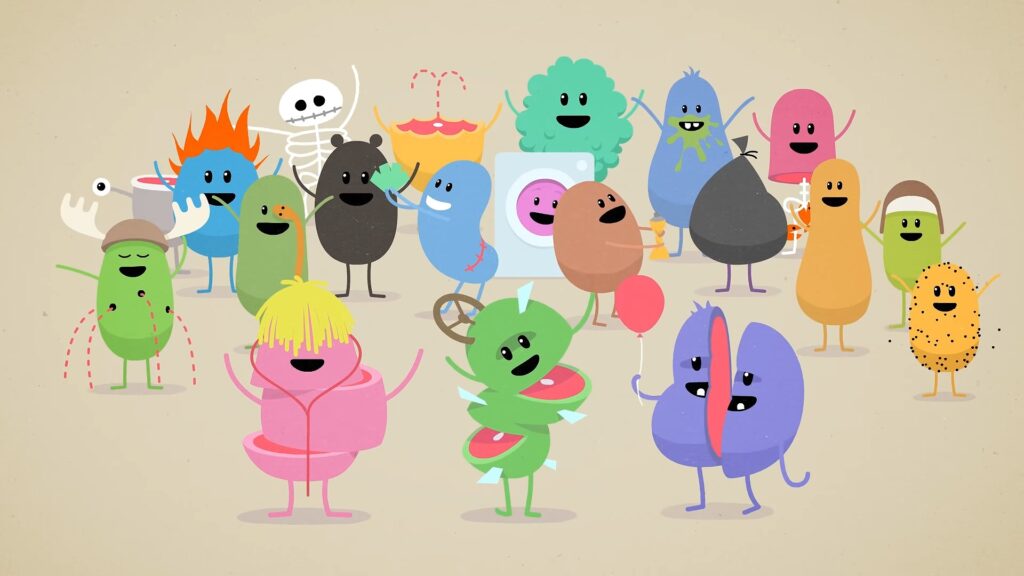
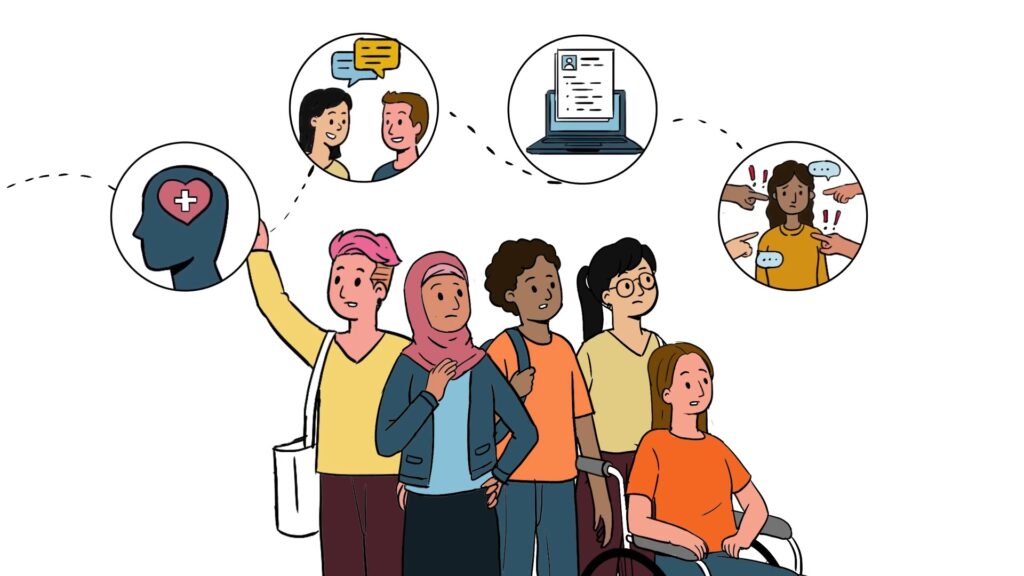
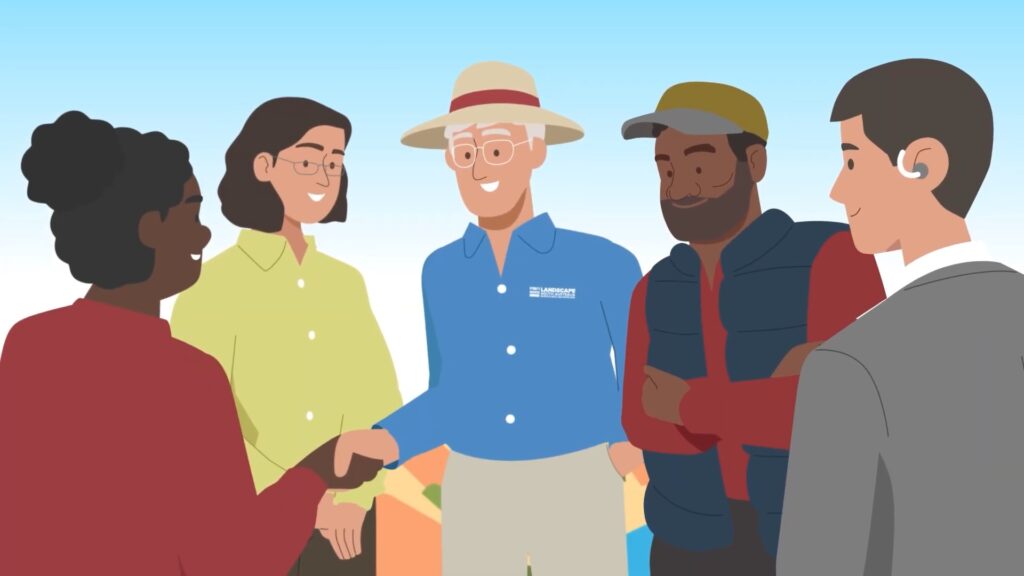
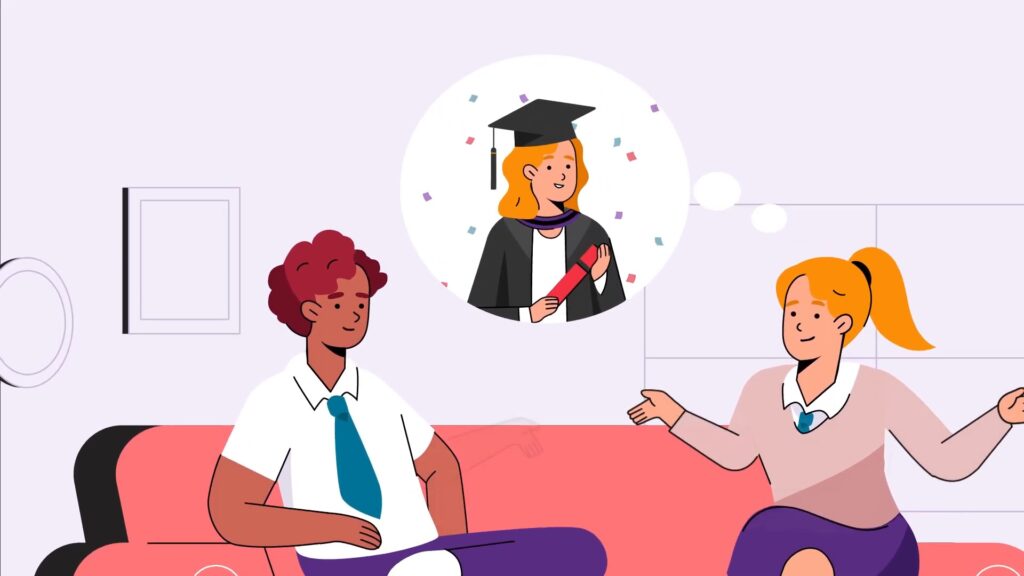
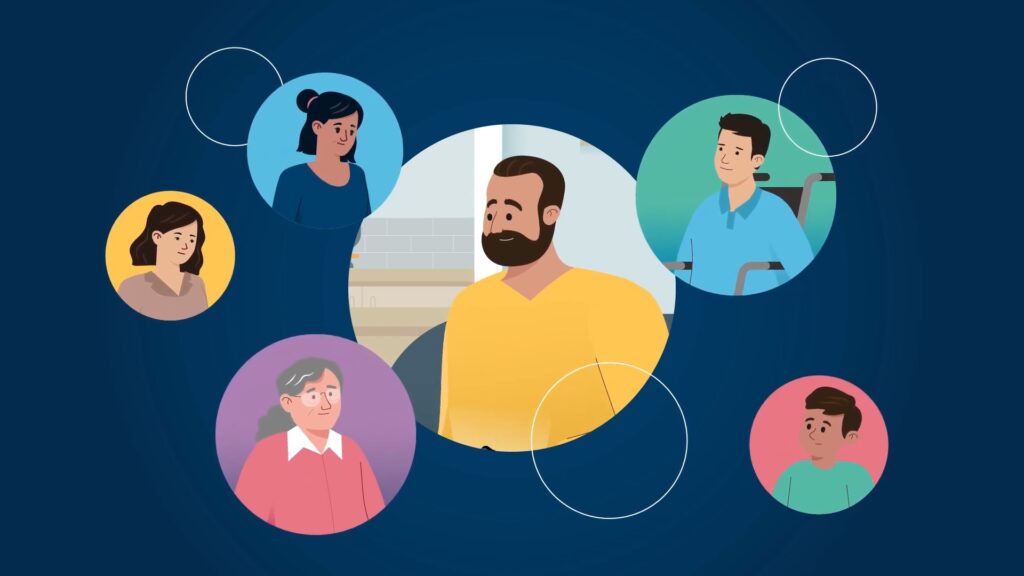
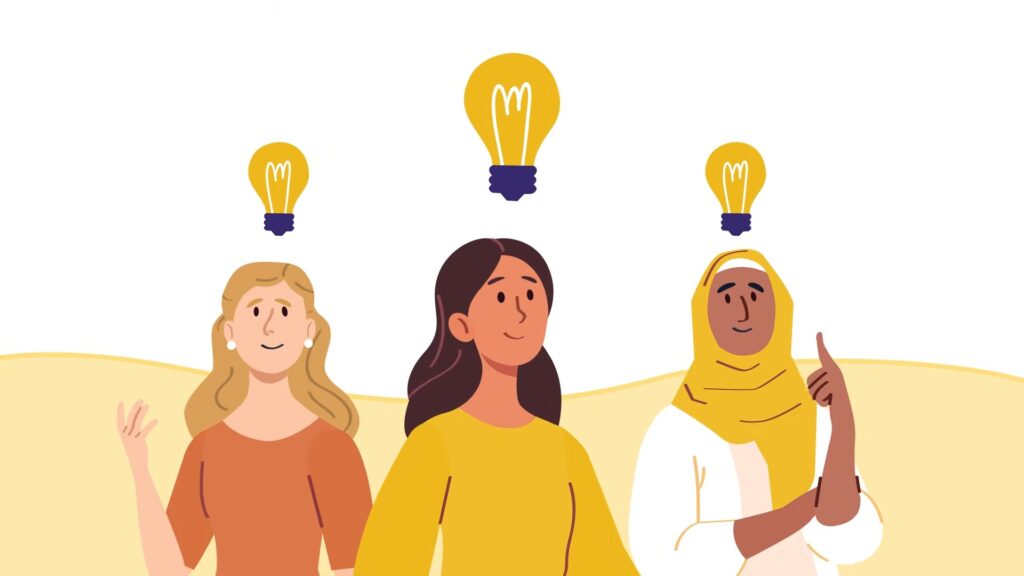
Animation let us represent diverse workers across industries without the casting and production complexity of live action, and it gave us full control over tone.
Workplace harassment is a subject that can easily tip into either clinical distance or emotional overload. Animation let us stay sensitive without ever feeling cold or abrasive.
The Approach
Video 1: How Can I Be An Active Bystander In My Workplace?
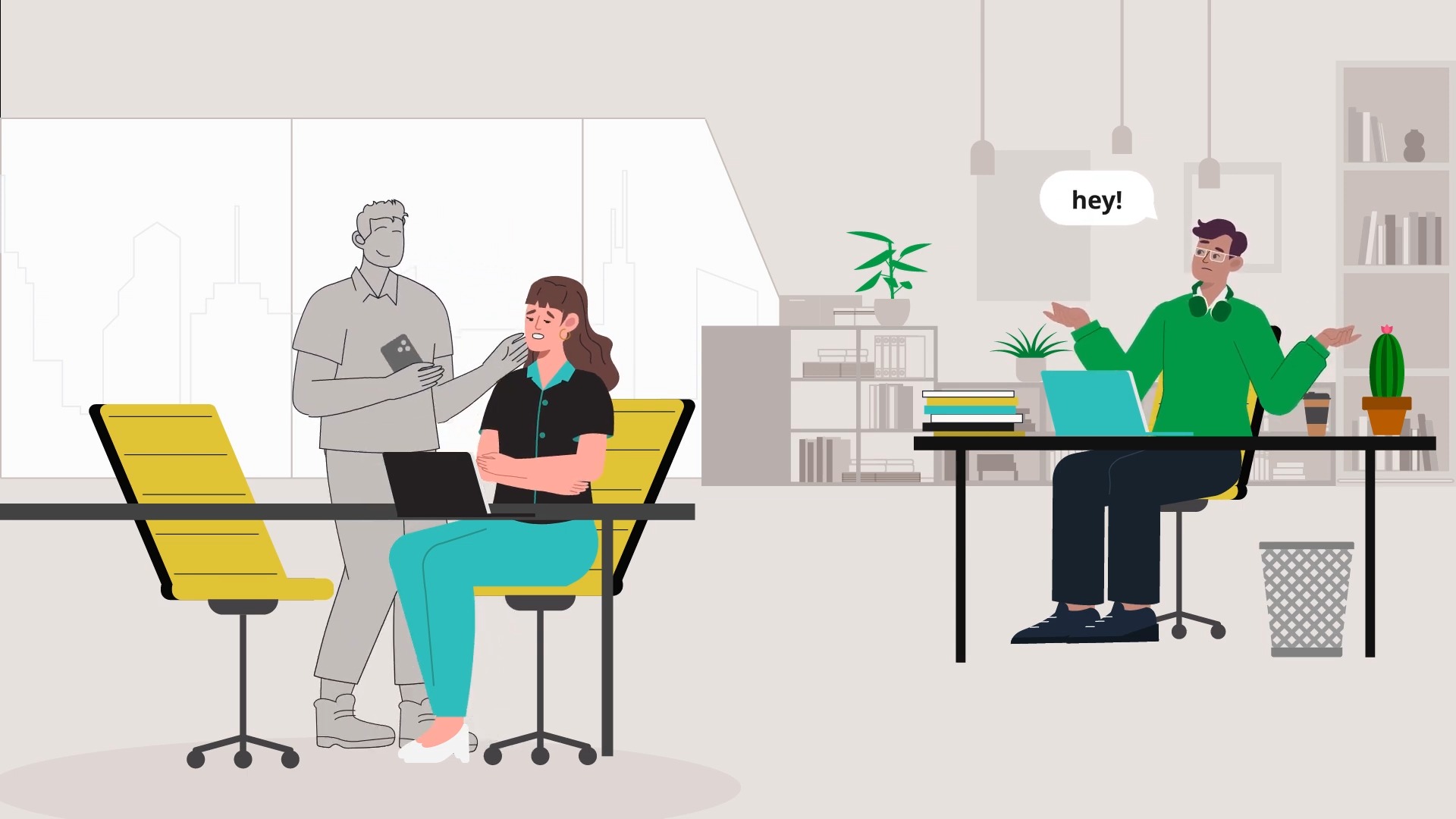
The ‘bystander’ video is built around the framework: disrupt, relate, escalate. Disruptors step in during the moment. Relaters check in with the person targeted afterwards. Escalators take formal action through workplace channels.
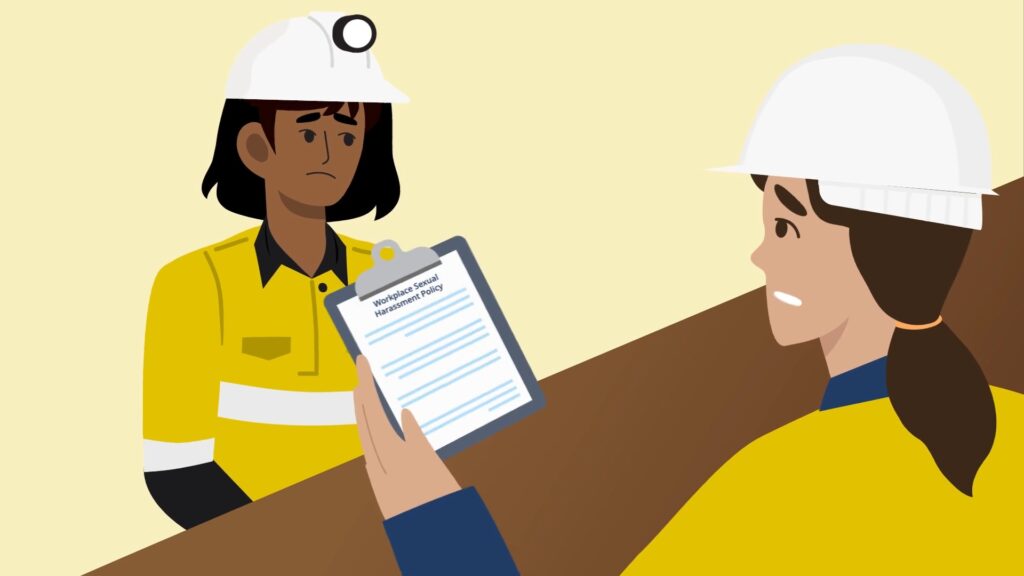
Each strategy is set to a different worker in a different industry where harassment statistically happens most, signalling that being a bystander isn’t tied to a particular job or identity.
Video 2: What To Know About Getting Help From Circle Green
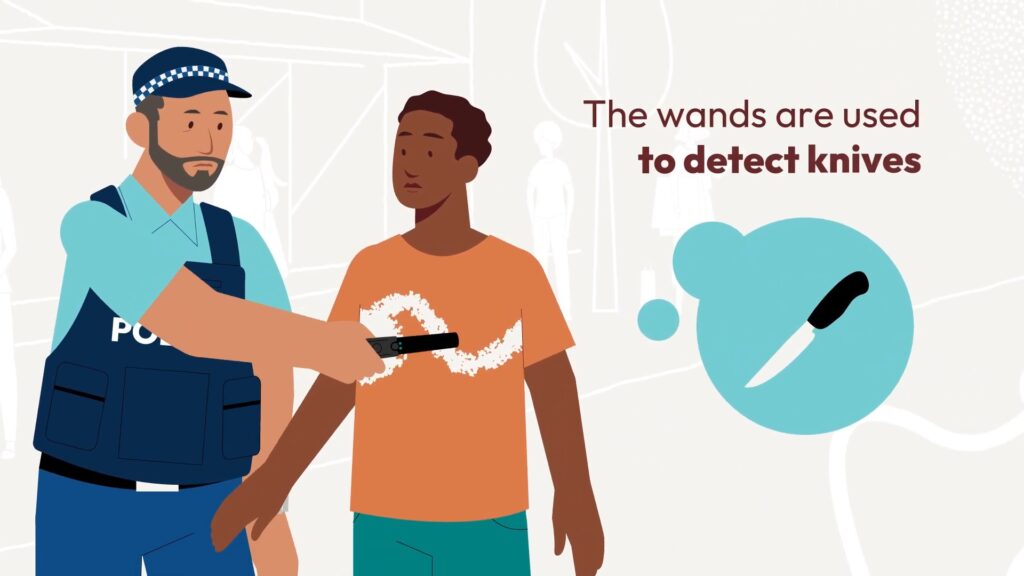
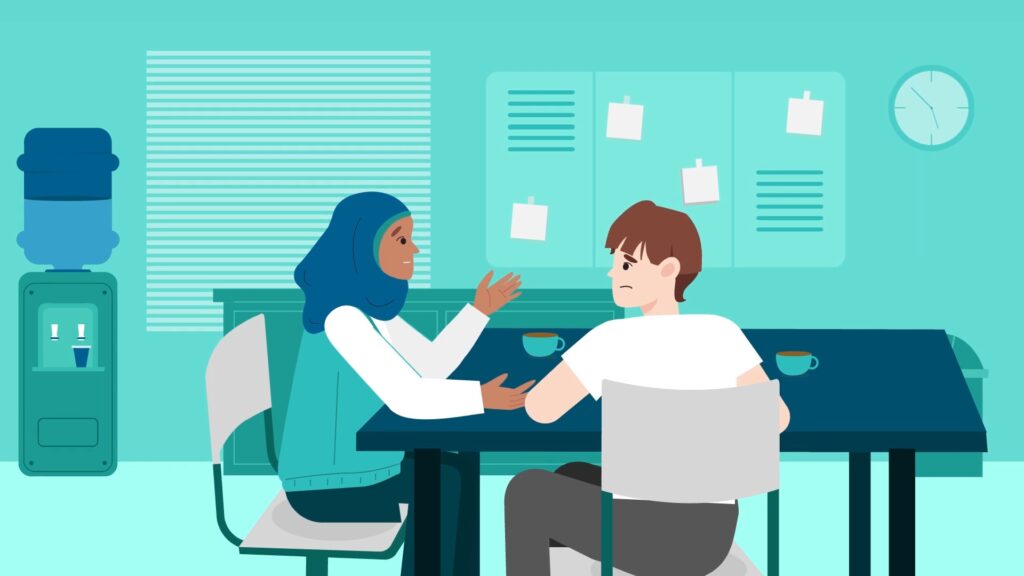
The ‘getting help’ video is built around removing friction from the decision to ask for help. It explains who is eligible, what the service costs (nothing), and what confidentiality actually means in practice.
It then walks viewers through the three ways to get in touch and what they’ll be asked when they do.
Why Two Voiceovers
The ‘bystander’ video uses a male voiceover. The getting help video uses a female one. Both choices follow the audience.
The’ bystander’ video is aimed at workers less likely to be harassed themselves, often men in positions of relative safety. Behaviour change messages tend to land harder when they come from someone who sounds like a peer rather than an authority figure.
The ‘getting help’ video is aimed at workers who’ve been targeted, statistically more often women. A warm, female voice reduces the chance the video feels confronting to someone who’s already been through something difficult.
The Outcome
The videos give Circle Green two repeatable resources that work across their website, social channels, and the training they deliver to workplaces.
Both videos move past awareness and address the core objective of behaviour change. Australians know sexual harassment is a problem. The video content tells people what to actually do about it, whether they witness it or experience it.
Next Steps
Spreading awareness without changing behaviour?
Whether you’re working on prevention frameworks, demystifying a process, or trying to give a hard-to-reach audience the specific tools they need to act, we’d love to help you figure it out.
Drop us a line and let’s chat about what you’re working on.