When the Phone Starts Ringing, the Window Has Already Closed
Public health emergencies move faster than communications teams. By the time the first media call comes in, the public is already searching for information, family group chats are already filling with rumour, and community organisations are already trying to work out what to tell the people they support. The comms team has a narrow window to provide clear, credible information before that vacuum gets filled by something less accurate.
For public health teams across federal, state, and territory governments, this dynamic has been on full display across the last several years. Bushfire smoke advisories, thunderstorm asthma warnings, communicable disease outbreaks, food contamination alerts, mosquito-borne illness clusters, extreme heat events, and emerging respiratory threats have all required rapid, multi-channel communication to broad public audiences who are anxious and time-poor.
Video has emerged as one of the most useful formats public health teams have for this kind of work. Not because it is novel, but because it does several things at once that other formats struggle to combine. It carries voice and tone. It travels well across platforms. It works for audiences who do not read English easily. And it can be produced quickly when the production approach is set up correctly in advance.
What Emergency Risk Communication Actually Requires
Emergency risk communication is a discipline with its own principles, separate from general health promotion. The work of communicators like Vincent Covello and the CDC’s emergency communication framework set out the core requirements: be first, be right, be credible, express empathy, promote action, and show respect. Each of those principles shapes what good public health emergency video should look like in practice.
Speed. Information delivered late is information already distrusted. Public health teams that wait to produce a perfectly polished video while social media fills with speculation have lost the framing battle before they start. Video for emergency comms needs production approaches that allow first-cut content to be live within hours, not days.
Accuracy. Risk communication that is later corrected damages trust for the next event. Speed cannot come at the cost of factual integrity. This is why the strongest public health video production approaches build in fast clinical review processes from the outset.
Credibility. The face on camera matters. Audiences trust clinicians, public health officers, and people with visible expertise more than they trust polished spokespeople reading scripts. The production approach should make it easy to film senior clinicians in a way that respects their time without compromising authority.
Empathy. Risk communication that sounds clinical when audiences are frightened lands as cold. The tone needs to acknowledge the human dimension of the event before it gets to the technical instruction. This is a writing and direction decision more than a production one.
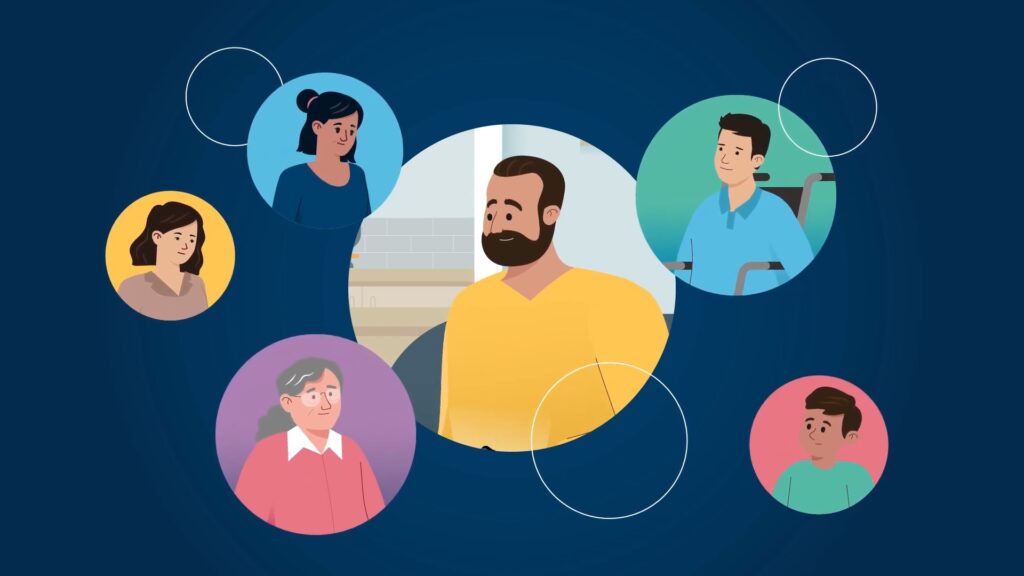
Actionable instruction. Audiences need to know exactly what to do. Not “be aware” or “stay informed”, but specific behaviours: keep doors and windows shut, take this medication, attend this venue, avoid this water supply. Audience analysis matters here because the right actionable instruction varies by audience: parents of young children, elderly residents, people with respiratory conditions, multicultural communities, rural populations.
Why Multilingual and Accessible Formats Are Non-Negotiable
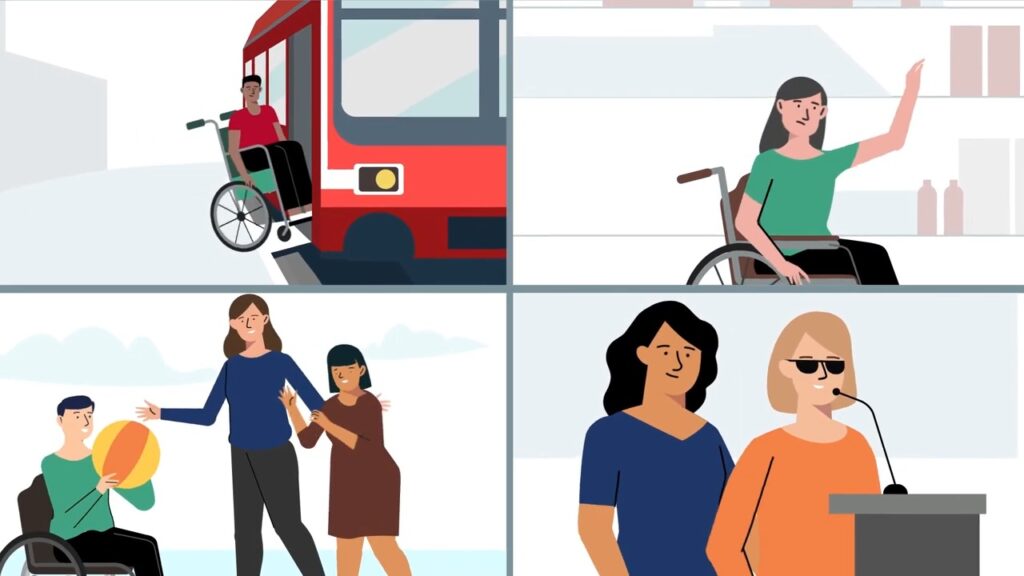
Australian communities are linguistically diverse. In any major public health emergency, a significant proportion of the affected population will have first languages other than English, and a meaningful number will rely on Auslan, captions, or screen reader compatibility for accessibility. Public health video that exists only in English with no captions reaches a fraction of who it should.
The most prepared public health teams build multilingual delivery into their production approach from the start. That means scripts written in plain English first so they translate cleanly. It means a roster of trusted community-embedded translators rather than ad-hoc agency assignments. It means clear conventions about caption styling, Auslan placement, and audio description. And it means understanding that translated content for multicultural communities is not just an English video with subtitles. It often needs different talent, different framing, and different delivery to land properly.
This is also where partnerships with multicultural communications specialists earn their keep. Public health teams that have working relationships with multicultural health organisations and community-embedded translators can move faster in an emergency because the relationships and the processes are already in place.
Setting Up the Production Approach in Advance
The single biggest determinant of whether emergency risk video lands well or fails is whether the production approach was designed before the emergency or scrambled together during it. Public health teams that have done the preparatory work are routinely producing first-cut emergency content within a working day. Teams that have not are still chasing approvals a week later.
The preparatory work includes several specific things. A pre-approved visual identity for emergency content that does not need to be re-negotiated each time. A standing roster of trusted production partners who understand the clinical and regulatory environment. Pre-cleared spokespeople and clinicians who are media-ready, with clear protocols about when each is activated. Pre-approved templates for common emergency types: outbreak, weather event, contamination, threat assessment. And pre-agreed escalation and approval pathways that move quickly under pressure without skipping necessary review.
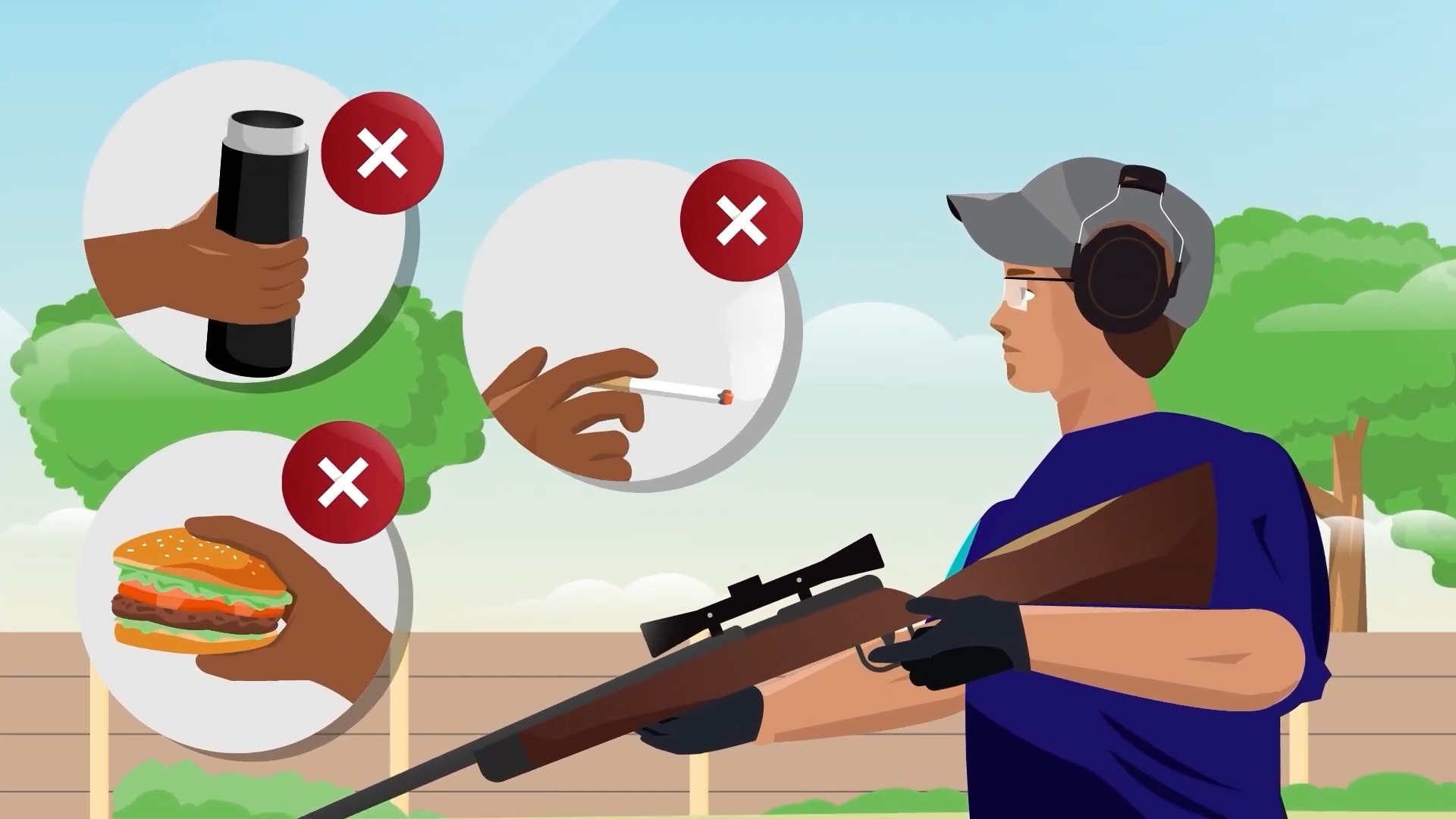
Animation has a specific role to play in this preparatory work. A library of pre-built animated assets, generic enough to be deployed in multiple scenarios, allows comms teams to produce content quickly by combining new voiceover and updated information with existing visual material. Animation assets covering common public health scenarios, the spread of respiratory illness, the mechanics of bushfire smoke, the routes of mosquito-borne disease, become long-running infrastructure that pays off across multiple events.
Where Different Video Formats Fit Best
Not every emergency video should look the same. The format needs to match the event, the audience, and the channel.
Short clinician pieces, 30 to 60 seconds. A senior public health officer or chief health officer speaking directly to camera, in a fixed setting, with clear actionable instruction. Best for early-event communication and social media distribution. Works because the audience trusts the source and the tone is direct.
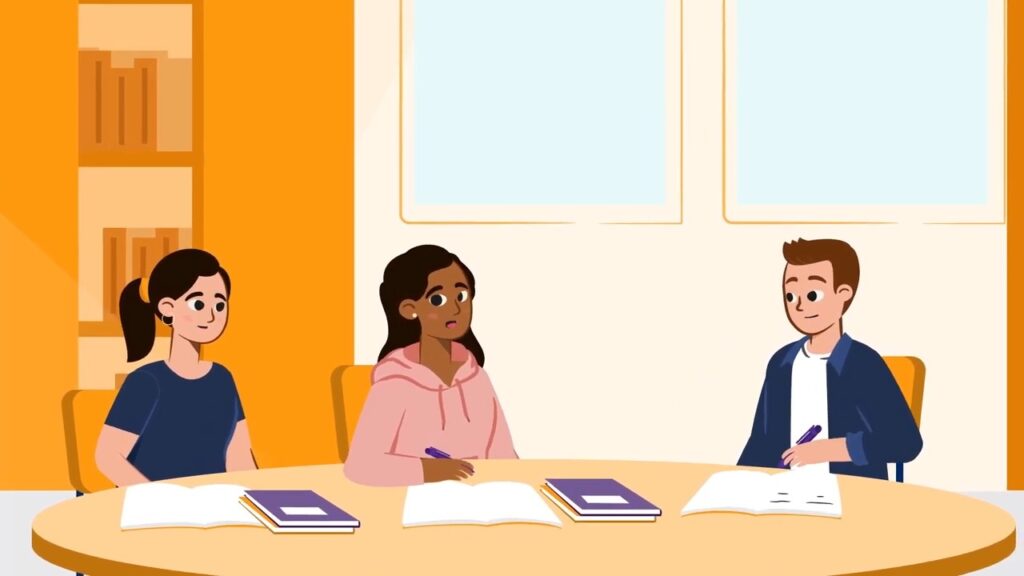
Animated explainers, 60 to 90 seconds. Best for explaining mechanism: what the threat is, how it spreads or manifests, what behaviours reduce risk. Works because animation removes the need to film clinical situations or human suffering, and travels well across language and cultural contexts.
Multilingual community video, 60 to 90 seconds. Featuring trusted voices from specific cultural communities, not just translated content. Best for reaching populations where English-language government messaging routinely under-performs.
Auslan interpreter content. Best when delivered as a parallel version of the primary video rather than as an inset, because inset Auslan often gets cropped on social platforms.
Longer briefing video, three to five minutes. Best for stakeholder audiences, community organisations, and partner agencies who need more context than the public-facing version provides. Often the most useful piece for the people who will deliver the message in the field.
What Goes Wrong Most Often
The most common failure pattern is over-engineering the production for the timeline. Public health teams sometimes try to produce broadcast-quality content under emergency time pressure, and the result either misses the window or compromises accuracy. The better approach is to lock in production quality benchmarks that can be hit consistently under pressure, and to accept that emergency content does not need to look like a Super Bowl ad to be effective.
The second is failing to plan the channel distribution before the production. A video that exists but does not reach the people who need it is a failure. Public health teams that plan distribution alongside production, including coordination with multicultural community channels, GP networks, pharmacies, community health services, and trusted local information sources, get dramatically better reach than teams that publish and hope.
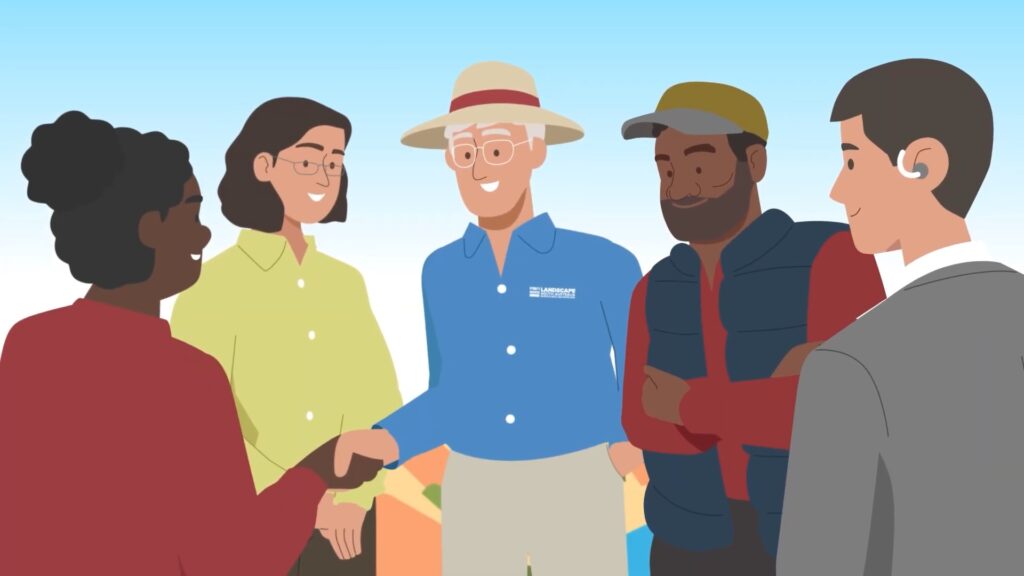
The third is treating every event as a new project. The most prepared public health teams have system-level production capability that scales up and down depending on event severity. To see how risk and public health communication work has come together across sectors, you can browse our portfolio here.
Ready to Build Your Emergency Communication Capability
Public health teams cannot predict when the next event will hit, but they can predict that one is coming. The preparatory work, identifying production partners, building asset libraries, agreeing pathways, getting templates approved, is what determines whether the team is ready when it does.
If you are a public health, emergency management, or government communications team thinking about how to strengthen your risk communication capability, get in touch with the team. We work with federal, state, and territory health and emergency comms teams across Australia, and we are happy to talk through what a production-ready approach could look like for your context.