When More Content Creates Less Impact
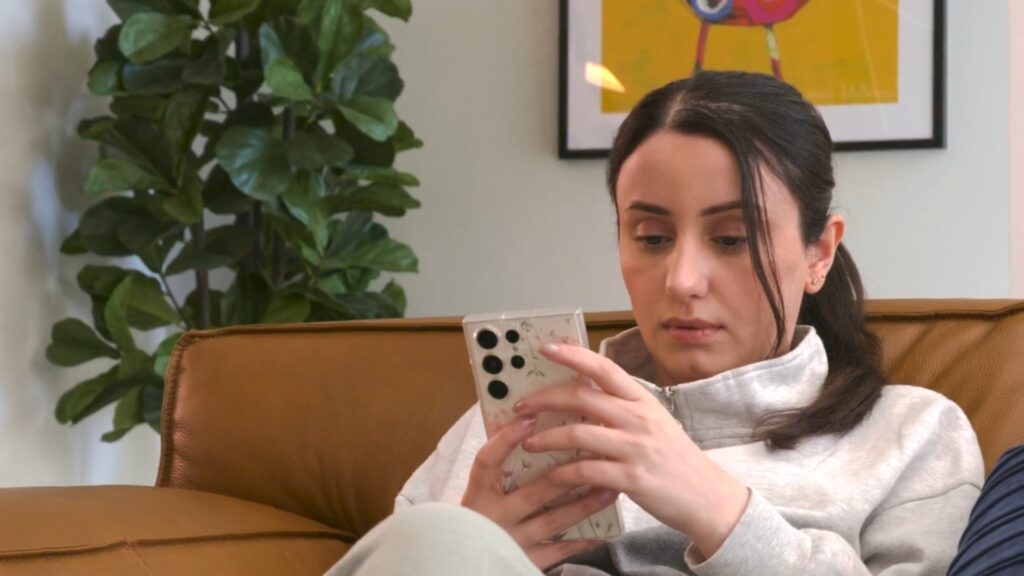
Health organisations are producing more communication content than ever before. Campaign videos, social graphics, email sequences, community updates, service explainers. The output is constant. But for many marketing and communications teams working in health, the return is flattening. Audiences are tuning out. Click-through rates are declining. And the content that took weeks to develop barely registers before it disappears in a feed.
This is message fatigue, and it is one of the most significant communication challenges facing health organisations in Australia right now. The solution is not to produce more. It is to produce smarter, and to think carefully about what role animation and video can play in re-engaging communities who have heard your message before.
What Message Fatigue Actually Looks Like
Message fatigue is not simply audience boredom. In the health sector, it is a genuine barrier to outcomes. When community members stop engaging with health communications, they miss information about services they need, campaigns that could change behaviour, and programs designed specifically to support them.
It tends to develop when the same format is repeated too often, when content is too text-heavy or clinically worded for a general audience, when the emotional register stays flat across every piece, or when nothing in the content signals that it was made with that specific audience in mind. The format itself becomes a signal to disengage.
For marketing managers in health organisations, this creates a real tension. You are under pressure to deliver campaigns that resonate emotionally and remain compliant. You are working across multiple stakeholder groups with varying levels of health literacy. And your internal capacity to produce high-quality visual content is often stretched thin. Producing more of the same format simply accelerates the fatigue.
Why Video and Animation Can Break the Pattern
Video and animation work differently from written content in an important way: they engage multiple cognitive pathways at once. Visuals, movement, voice, music, and story can all work together to hold attention, create emotional connection, and make complex information genuinely accessible. That combination is particularly powerful in health communications, where the subject matter is often sensitive, clinical, or abstract.
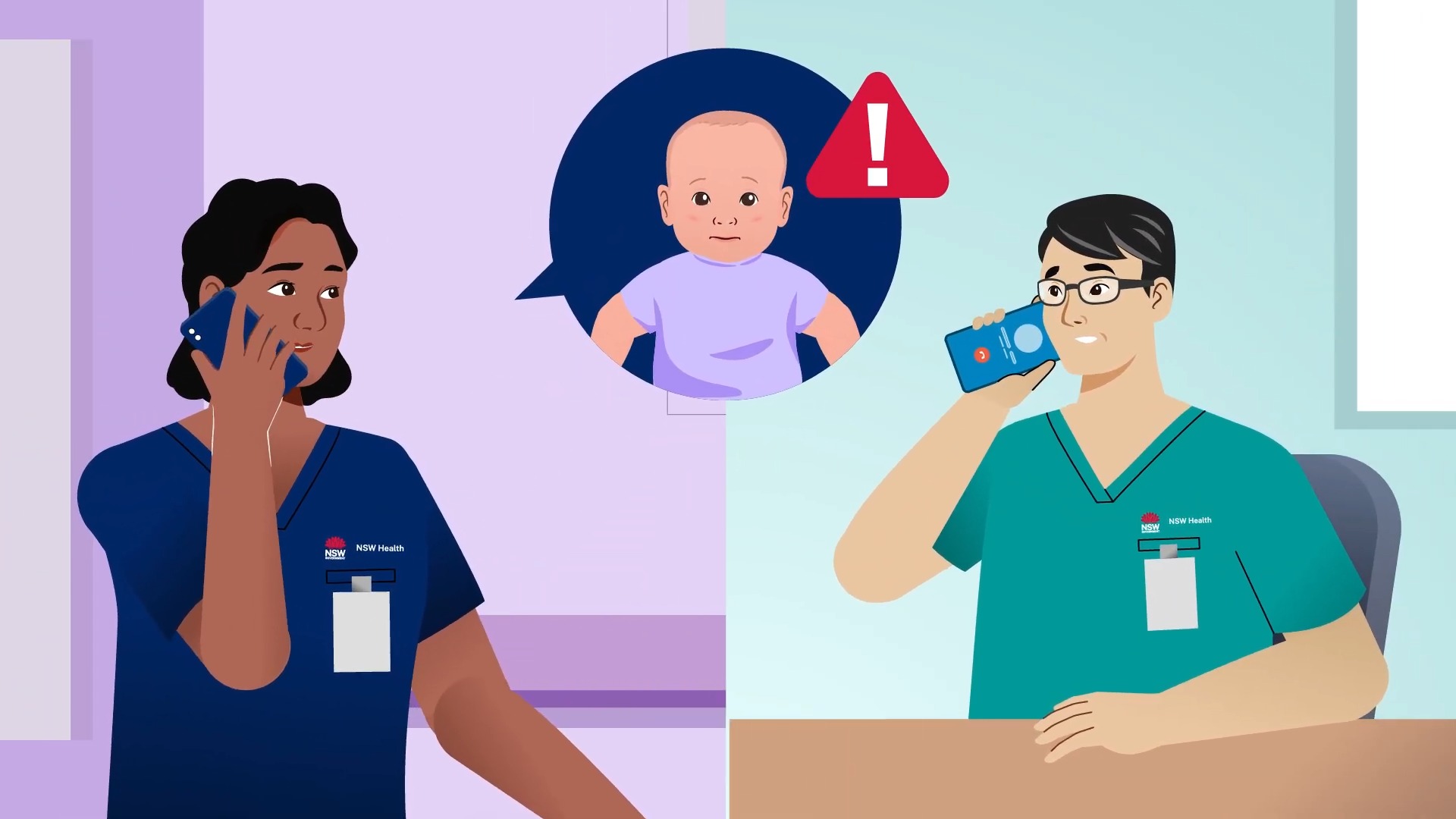
An explainer video that walks a community member through a new service pathway in plain language, with clear visuals and a warm tone, will outperform a written fact sheet for audience comprehension and retention every time. Not because the video is more entertaining, but because it removes the cognitive load that text-heavy content creates for people who are already anxious, time-poor, or unfamiliar with health systems.
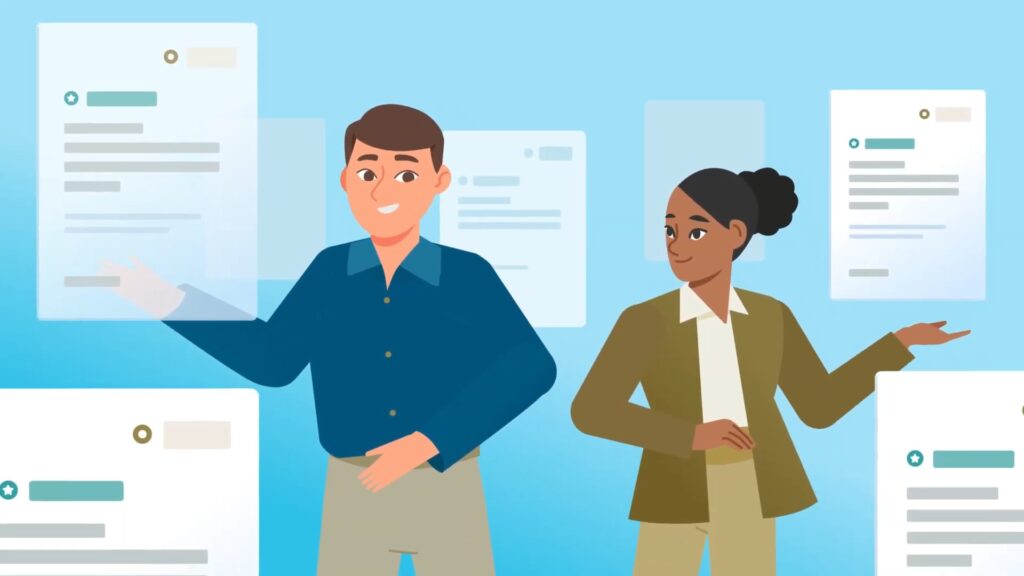
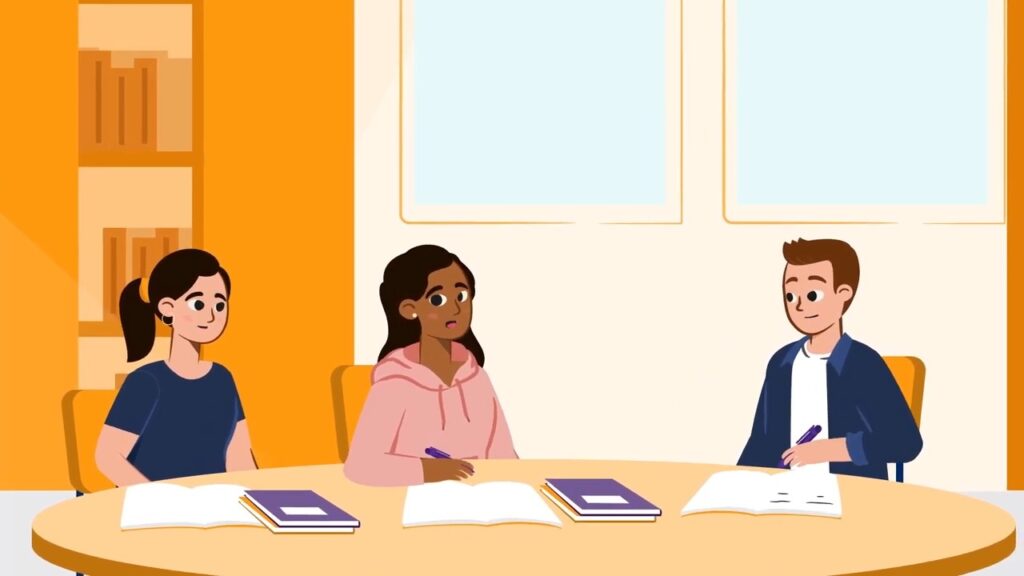
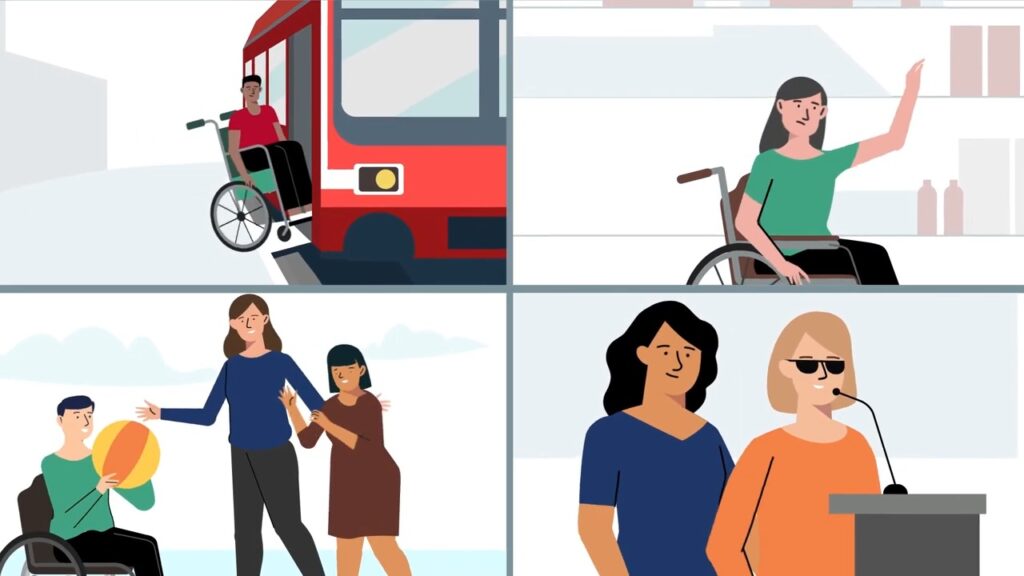
Animation in particular gives health organisations flexibility that live action sometimes cannot. It sidesteps the logistical challenges of casting, filming consent, and clinical settings. It allows you to represent diverse communities visually without the complexity of production shoots. And it gives your team the ability to simplify clinical or service-based messaging for broader audiences without sacrificing accuracy or sensitivity.
The Difference Between More Video and Better Video
There is an important distinction to draw here. Producing video content is not the same as producing effective video content. Many organisations make the switch to video without thinking clearly about what each piece needs to do, who it is actually for, or what a successful outcome looks like.
Effective video content in the health sector starts with a clear communication objective. Not “raise awareness” as a catch-all, but a specific and measurable goal. Are you trying to increase uptake of a particular service? Reduce missed appointments? Build trust with a community that has historically disengaged from health services? The answer to that question shapes everything: tone, format, length, channel, and visual approach.
It also starts with a genuine understanding of the audience. Health organisations often communicate with people who are experiencing vulnerability, uncertainty, or stress. Video content that acknowledges that reality, and speaks to it with empathy and clarity, performs very differently from content that assumes a passive, receptive audience. The best health video content makes the viewer feel seen, not lectured.
Where Animation and Live Action Fit in the Mix
One of the most common questions health marketing teams ask is whether to use animation or live action. The honest answer is that both have a place, and the decision should be driven by what the content needs to achieve and who it is trying to reach.
Animation tends to work best for service explainers, process walkthroughs, complex clinical information, and content that needs to reach multicultural communities (where animated characters and subtitling can be more accessible than live talent). It also works well when you need content that can be updated easily as services evolve.
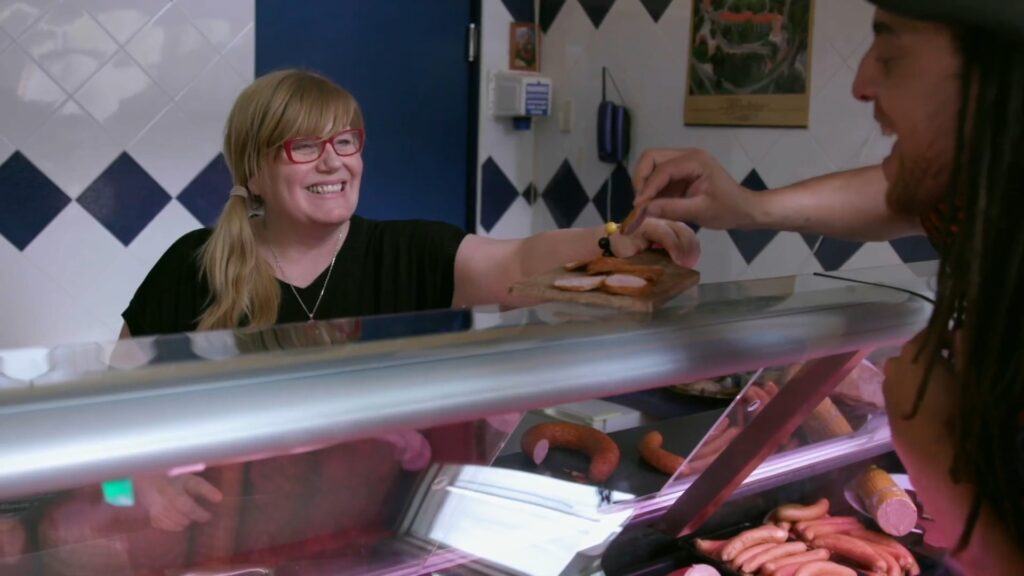
Live action, including corporate video and community storytelling, creates authenticity that animation cannot replicate. For campaigns built around lived experience, peer support, or personal health journeys, real people telling real stories build trust in a way no animated character can. The emotional weight of a person speaking directly to camera about their experience is something audiences respond to deeply.
Many effective health campaigns use both: animation to explain, and live action to connect.
Measuring Whether Your Video Content Is Working
One of the persistent frustrations for health communications teams is the difficulty of measuring the direct impact of content on audience behaviour. Video does not solve that problem entirely, but it does give you more to work with than static content.
Watch time, drop-off rates, completion rates, shares, and click-throughs all tell you something useful about whether your content is landing. More importantly, if you are producing content with specific behavioural goals in mind (service uptake, appointment bookings, resource downloads), you can structure video content specifically to drive those actions and track the results more directly.
For health organisations working in health and aged care, this kind of accountability matters. Communications budgets are not unlimited, and every investment in content needs to justify itself against outcomes that actually matter to the organisation and the communities it serves.
Getting Started Without Overcomplicating It
Breaking out of message fatigue does not require a complete overhaul of your communications strategy. It requires being honest about which formats are not working, understanding why, and being willing to try a different approach for a specific audience or campaign.
Start by identifying one piece of content that is consistently underperforming. A service explainer that nobody reads. A campaign asset that generates no engagement. Ask whether the format is right for the audience and the message. Then consider what an animated or video version of that content might achieve.
The shift from written content to video does not need to be expensive or disruptive. With the right production partner, a single well-crafted animation or explainer video can become the centrepiece of a campaign that genuinely re-engages an audience that has been tuning out for years.
If you are working in health communications and starting to question whether your content is actually reaching the people it needs to reach, that instinct is worth acting on. Get in touch with the Punchy Studio team to talk through what is possible. You can also explore our portfolio to see how health and community organisations have used video and animation to cut through where written content was not.