Public health communication operates at one of the most demanding intersections in the communications field. The information is often complex, technical, and laden with clinical language. The stakes — for individuals, families, and communities — are genuinely high. And the audience may be anxious, reluctant, low in health literacy, culturally distant from the health system, or simply too stretched to engage with dense written content about their health.
Getting this communication right matters in ways that go far beyond campaign metrics. Whether it is a cancer screening program, a mental health service, a maternal health initiative, or a public health awareness campaign, the difference between communication that lands and communication that does not is a difference in actual health outcomes. People who do not understand how to access a service do not access it. People who do not recognise the significance of a screening do not get screened. People who feel a campaign was not meant for them — that it does not reflect their language, their culture, or their reality — disengage entirely.
Video has become one of the most effective tools available to health communicators across Australia, and the organisations doing it well share a clear set of approaches that are worth understanding.
The specific challenges health communication faces
Health communication has to overcome barriers that most other sectors do not face to the same degree. Understanding those barriers clearly is essential before deciding on a format, tone, or distribution approach.
Health literacy is considerably lower across the general population than most health organisations assume. A significant portion of Australian adults struggle to find, understand, and meaningfully use health information — even when that information has been deliberately simplified. This means the format of health communication is as important as the content itself. You can write in plain English and still produce something that a substantial portion of your intended audience cannot engage with if the format is wrong for the context.
The emotional dimension of health communication is also consistently underestimated at the planning stage. Health topics can trigger anxiety, shame, denial, avoidance, or fatalism in the audience — all of which are barriers to engagement and action. Clinical language, statistics-heavy messaging, and formal presentation styles can reinforce these reactions rather than overcome them. Effective health communication has to meet people where they are emotionally before it can shift their knowledge, attitude, or behaviour. That sequencing matters.
Social norms shape health behaviour as powerfully as information does. What people believe their peers do, what they see as normal or acceptable within their community, and what they observe people like them doing all influence their own health decisions. Communication that ignores this social dimension — that focuses purely on clinical recommendations — misses a substantial portion of what actually drives health-related choices.
Why video addresses these barriers more effectively than other formats
Video works for health communication because it addresses each of these barriers in ways that written content simply cannot replicate.
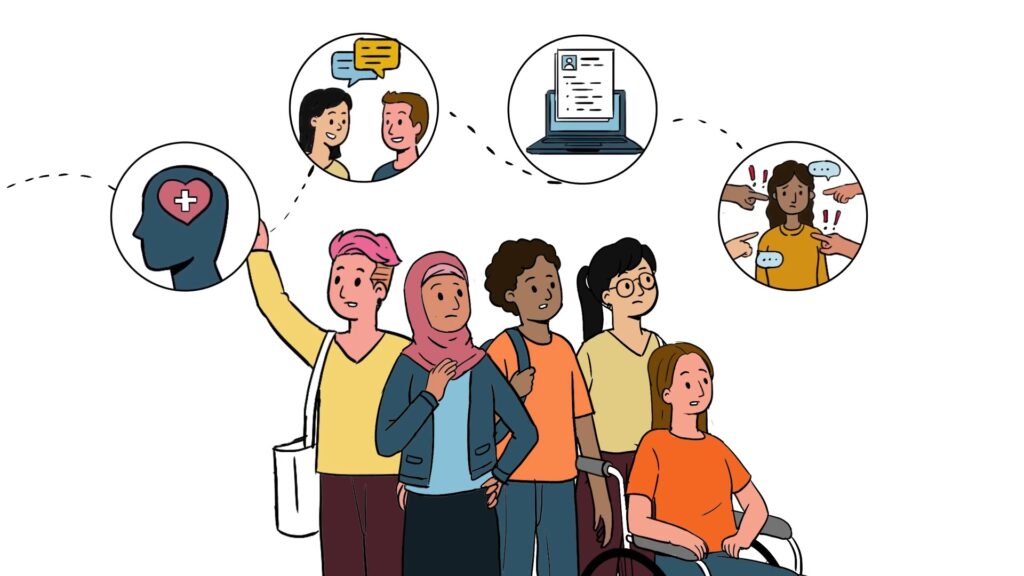
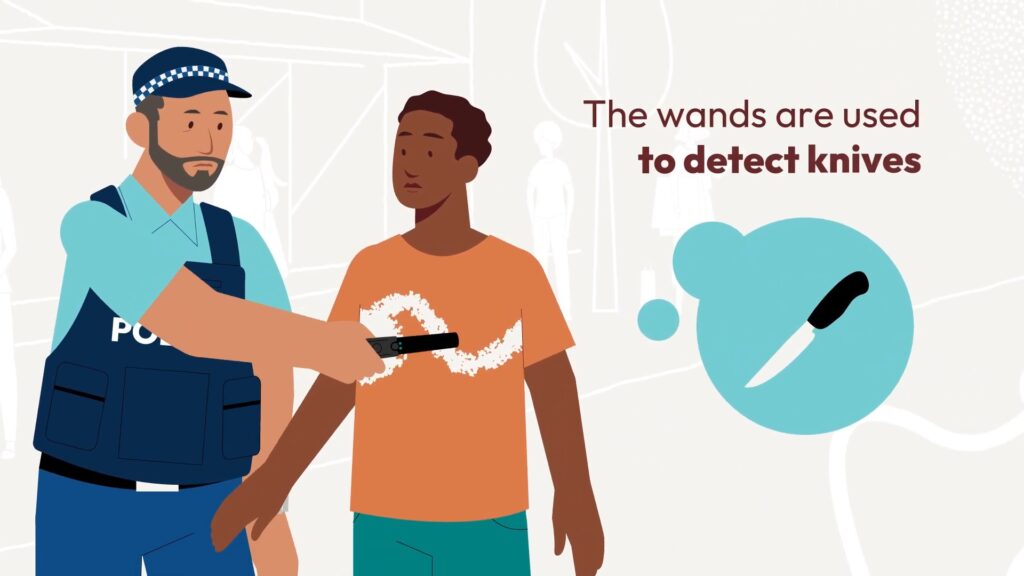
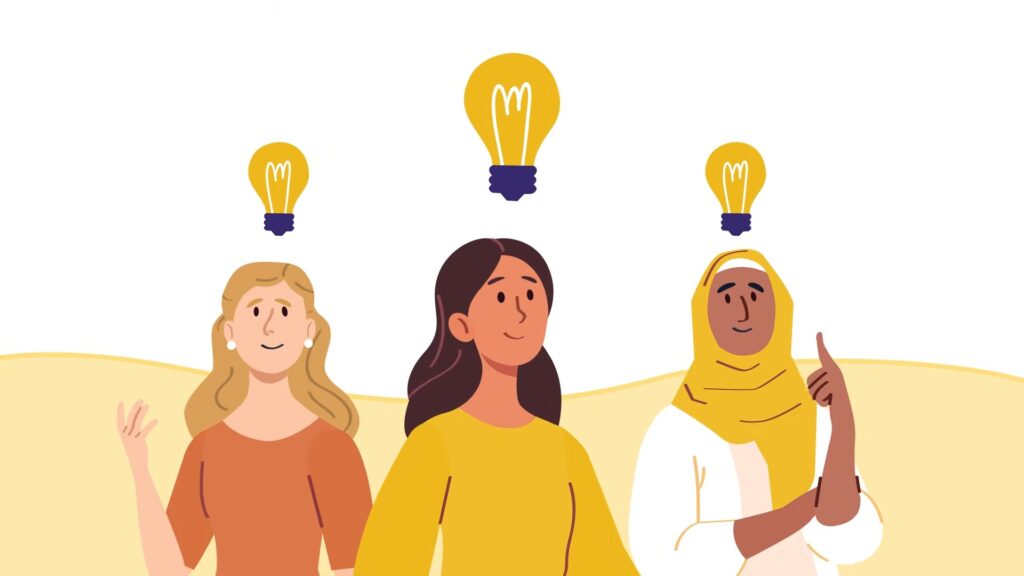
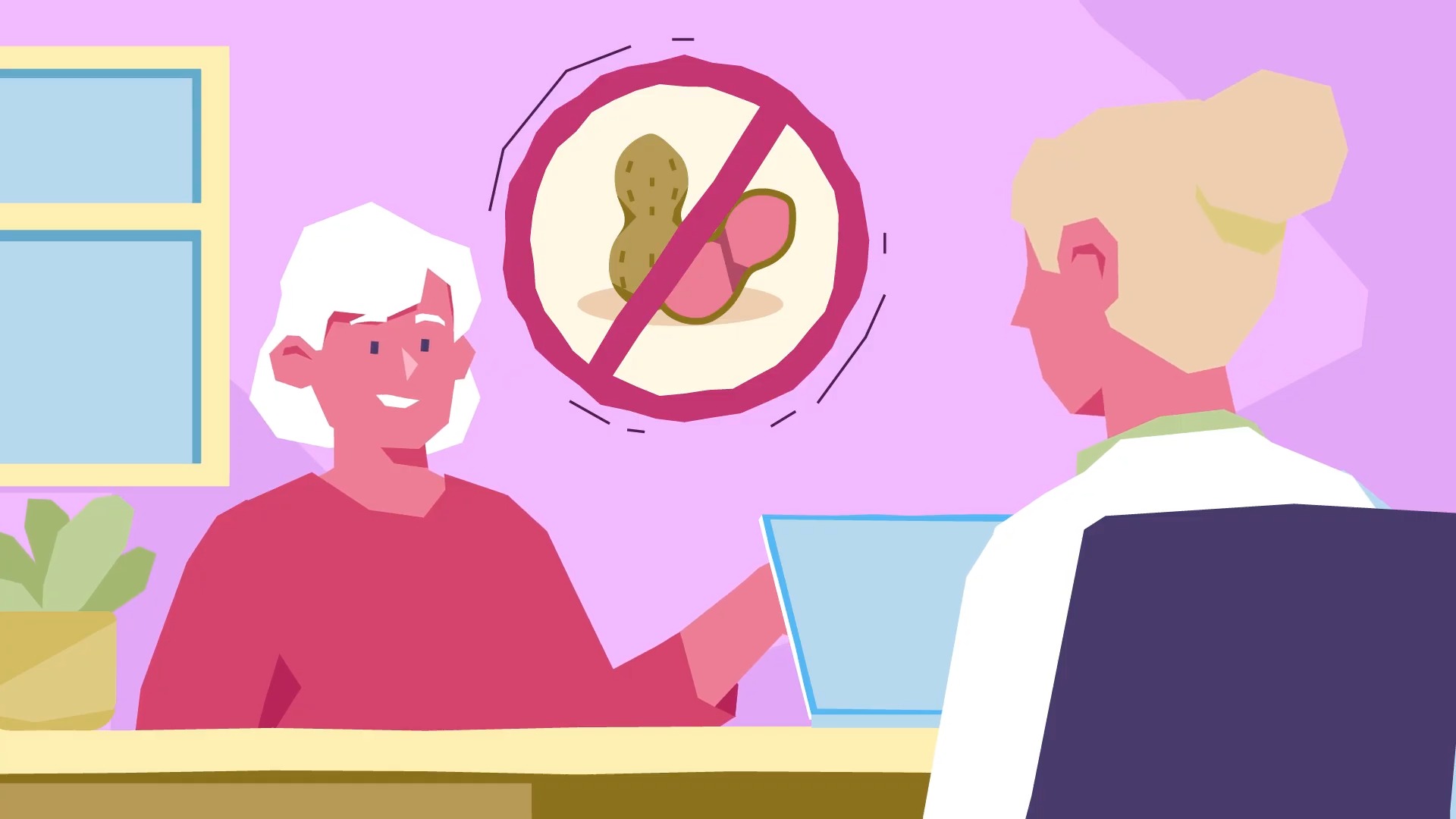
It can simplify complex clinical information into a clear, visual narrative that does not require high health literacy to follow. Animated explainer video is particularly effective here. It allows abstract health processes, anatomical concepts, program pathways, and step-by-step procedures to be shown rather than described — removing the cognitive load that dense technical writing places on the reader and making the information genuinely accessible to a broader audience.
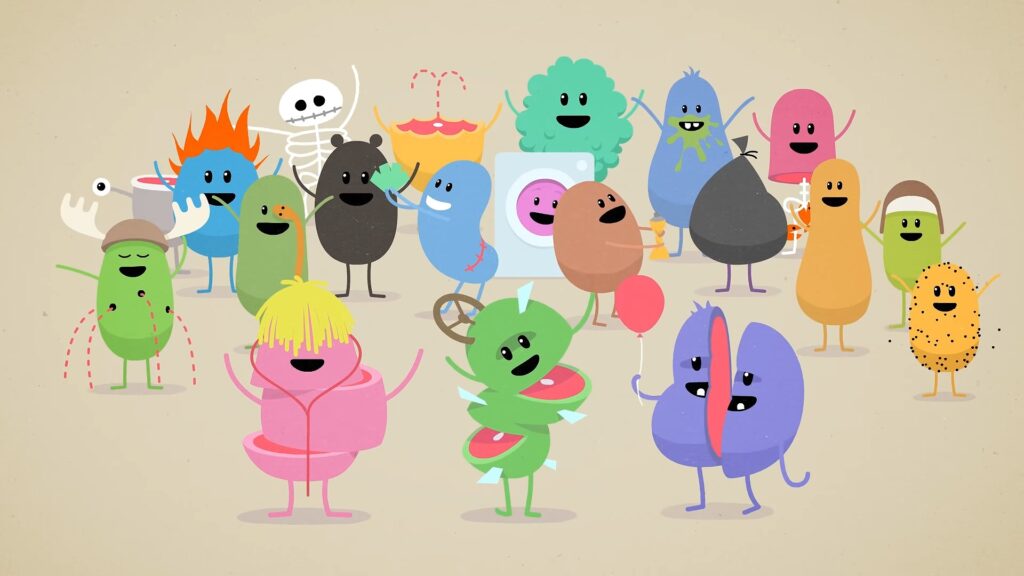
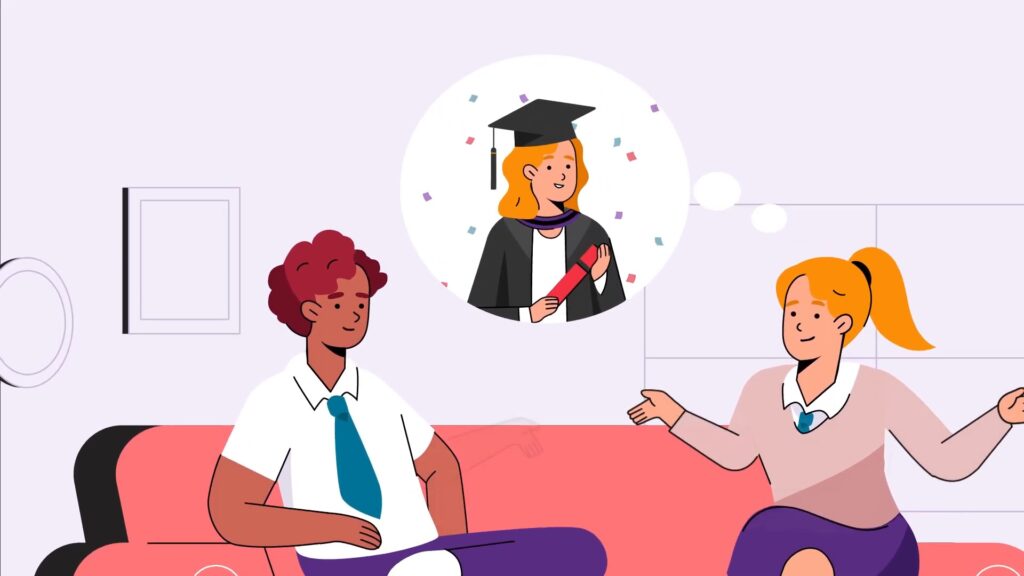
It can approach sensitive or anxiety-provoking topics with carefully controlled tone, pacing, and visual language that lowers resistance rather than triggering it. A warm, human-centred animation about a stigmatised health issue can reach and engage someone who would immediately switch off in response to a clinical brochure covering the same ground. The format creates enough safety and accessibility for the audience to stay with the message and absorb it.
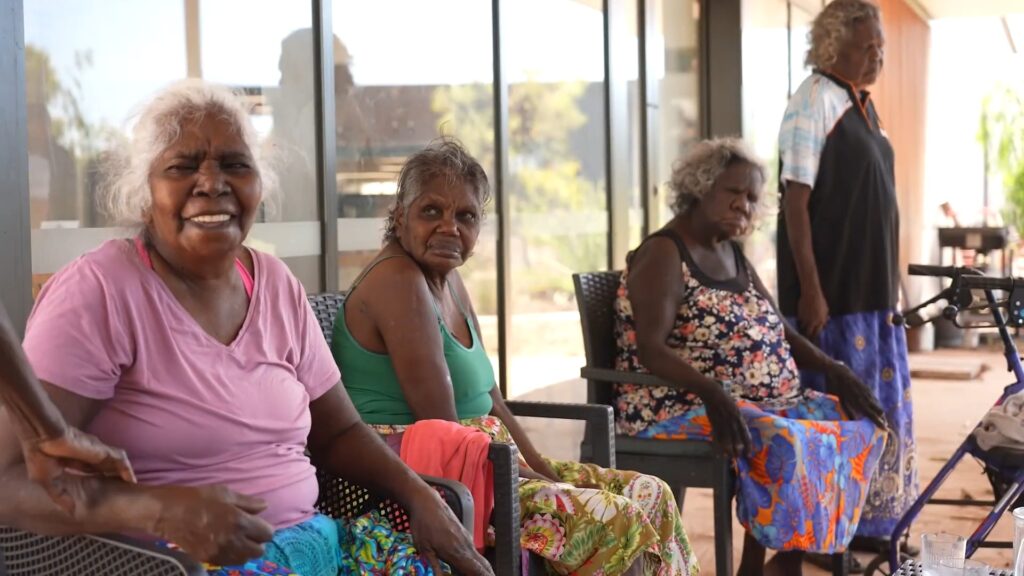
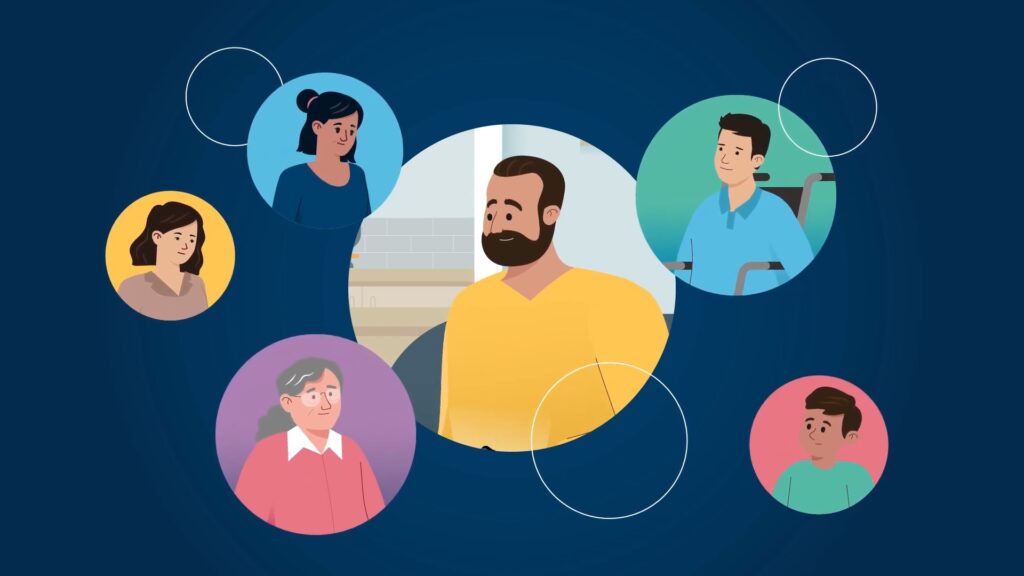
Live-action video featuring real people sharing real experiences is uniquely powerful for normalising health-seeking behaviour. Seeing someone who looks like you, shares a similar background, and has navigated the same system describe their experience — particularly taking a step that you have been avoiding — creates social proof in a way no other format achieves as efficiently. It communicates that this is something people like me actually do, and that taking this step is safe, worthwhile, and unremarkable.
How health organisations are applying video across the sector
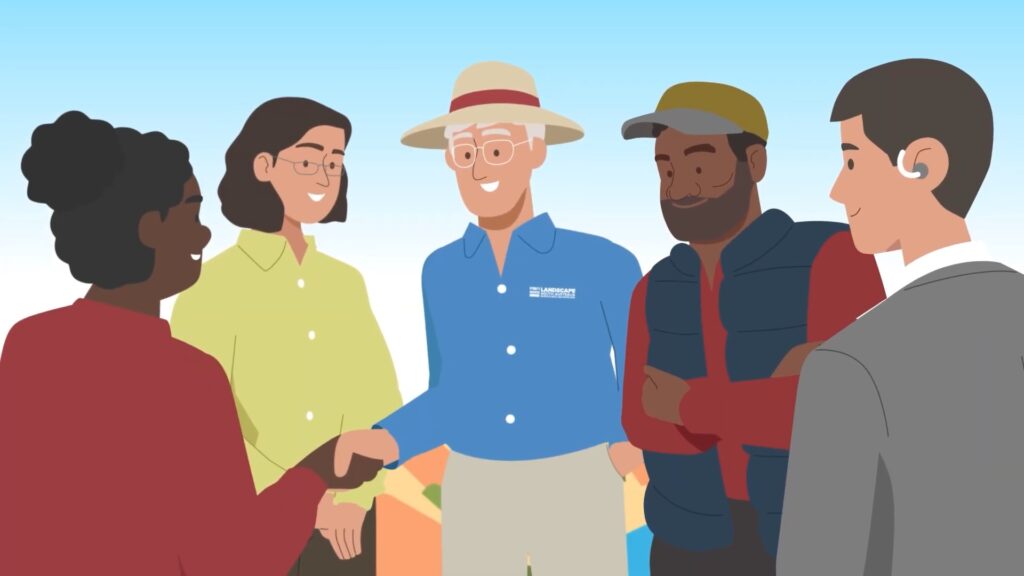
Primary health networks and community health services use animated video to explain program eligibility, referral pathways, and how to navigate the health system — for patients, carers, and the GPs and allied health professionals who refer them. Clear explainers reduce friction at the point of access and prevent people from disengaging from a service simply because the process of entering it was unclear or confusing.
Cancer screening programs use video to demystify what a screening involves, why it matters at different life stages, and what happens after a test comes back. Many people avoid screenings not because they are unaware they exist, but because the unknown feels more threatening than an acknowledged risk. A clear, reassuring video that walks someone through exactly what to expect at each stage can overcome that specific barrier in a way that a brochure cannot.
Women’s health organisations use animation to communicate about sensitive topics — reproductive health, menopause, fertility, postpartum care, contraception — in a way that is clinically accurate and appropriately accessible without being alienating or overly clinical. Animation allows these subjects to be addressed with care and warmth while still conveying accurate, actionable information.
Mental health and crisis support services use both animation and live-action storytelling to reduce stigma, normalise help-seeking, and communicate clearly how to access support in moments of vulnerability or crisis — where simplicity and clarity are not just communication values, they are safety values.
Principles that make health video work
Lead with the person, not the program. The most effective health communication starts with the audience’s experience — their concerns, their questions, the fears or misconceptions preventing them from acting — before explaining what the service offers. This is the inverse of how most health organisations instinctively write, but it is what distinguishes communication that generates action from communication that generates awareness.
Match format to purpose and audience. Animation works well for process explanation, sensitive topics, and reaching diverse audiences without relying on specific individuals. Live action works well for personal stories, building institutional trust, and campaigns where human authenticity is central. Many health programs benefit from using both within a coordinated content suite, with each format doing what it does best.
Build accessibility in from the start. Health video should include captions as a baseline standard, not an afterthought. For programs serving culturally and linguistically diverse communities, multilingual versions need to be planned into the production process from the outset — retrofitting them is more expensive, more time-consuming, and consistently produces a weaker result than building them in from the beginning.
Evaluate against health outcomes, not just views. Reach and completion rates tell you whether people watched. Program uptake data, service access metrics, and community feedback tell you whether the communication actually worked. Building in evaluation from the start allows you to understand what is driving behaviour and refine your approach on the basis of evidence rather than assumption.
Video as part of a broader health communication system
Health video works best as part of a broader, coordinated communication approach rather than a standalone asset. Supporting design assets — infographics, fact sheets, social graphics, posters for clinical and community settings — extend reach and give audiences something to reference after watching. A clear distribution strategy that maps where and how the target audience will encounter the content ensures the video reaches the people who need it most, not just those already engaged with the health service.
The most effective health communication campaigns we work on are those built around a deep understanding of the audience — their barriers, their context, their emotional reality, and their relationship with the health system — rather than around what the organisation wants to say. That shift in orientation, from organisational intent to audience need, is what makes health communication land.
If you are working on a health communication project and want to talk through the right format and approach for your audience, get in touch with our team. You can also browse our work to see how we have approached health communication challenges across the public and community health sectors.