Why Animation Is Not Always the Right Call
For not-for-profit teams, animation is a familiar tool. It is flexible, often more affordable than live action, and works well when the subject matter is sensitive, abstract, or difficult to film. But there is a category of NFP communication where animation, however well executed, does not quite land. That category is trust.
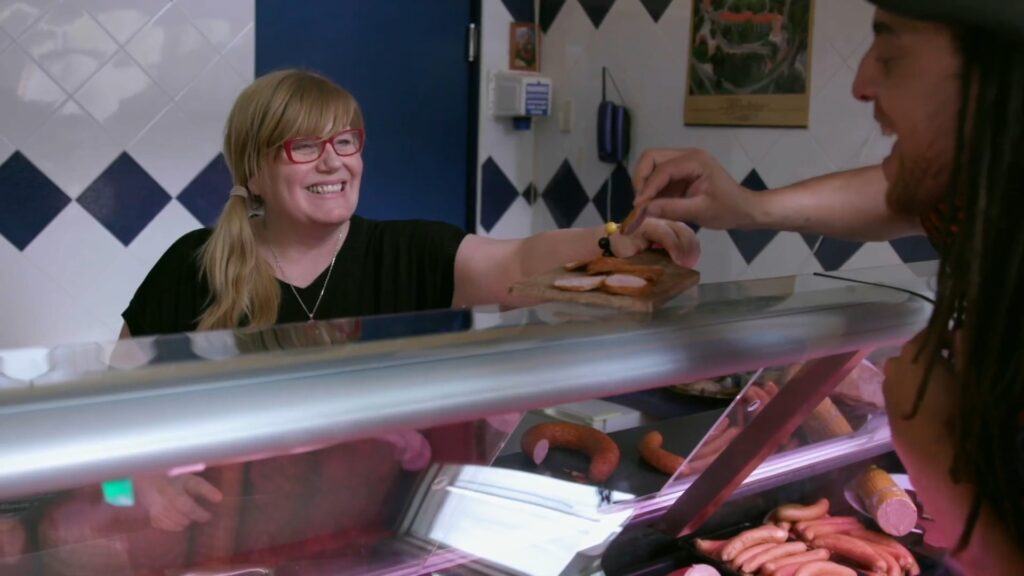
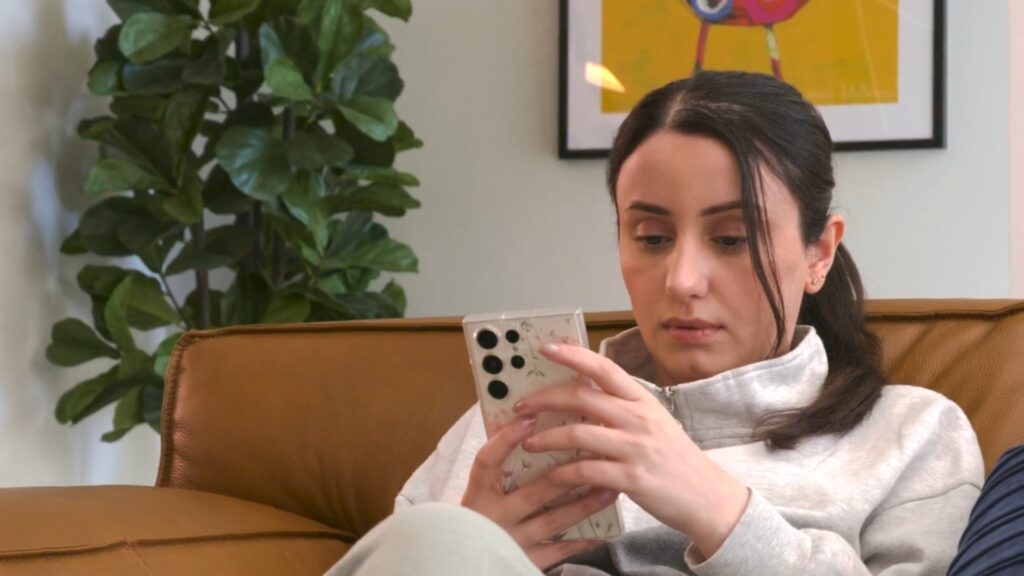
When the goal is to build genuine connection with an audience, particularly an audience that has reason to be sceptical of institutions or campaigns, live action video tends to do something animation cannot. It puts a real person on screen. A real face. A real voice. And in NFP campaigns built around lived experience, peer-led storytelling, or community advocacy, that authenticity becomes the engine of the entire piece.
This is why many NFP teams that began their content journey with animation are now bringing live action video back into the mix. Not as a replacement, but as a complement, used in the moments when trust matters most. Mental health, social wellbeing, family violence prevention, addiction recovery, multicultural community engagement, disability advocacy, aged care, and reconciliation work all sit in this territory.
What Trust Looks Like on Camera
Trust in NFP communications is not built through polish. It is built through honesty. Audiences can tell the difference between a story that has been carefully constructed for marketing purposes and one that has been gently held while a real person speaks for themselves. Live action video, done well, captures the second.
That means the production approach matters enormously. Lighting that does not feel like a stage set. Sound that catches the natural cadence of how someone actually speaks. An interview style that gives the person space to find their words rather than pushing them to a script. A pace in the edit that respects pause and breath. None of this is accidental. It is the result of an experienced live action production team understanding what they are filming and why.
For NFP audiences who have heard countless campaigns about their own communities, the moment a real voice speaks honestly is the moment the content earns attention. Case study video work in particular has a strong record here, because it is built around the idea of letting people tell their own stories. The structure of a case study, real person, real situation, real change, maps neatly onto how NFP campaigns try to communicate impact.
When Live Action Works Better Than Animation
There are specific contexts where live action carries weight that animation cannot. The first is lived experience storytelling. When an organisation wants to feature people with direct experience of the issue, the medium needs to honour that experience. Animating a person who has lived through trauma, recovery, or marginalisation can feel like a step away from their voice. Live action keeps them at the centre.
The second is peer-led communication. NFP campaigns often work because the audience trusts the messenger more than they trust the organisation. A young person hearing from another young person carries weight that an animated character cannot replicate. The same applies to multicultural communities, First Nations communities, LGBTIQA+ communities, and any audience where peer voice is core to engagement.
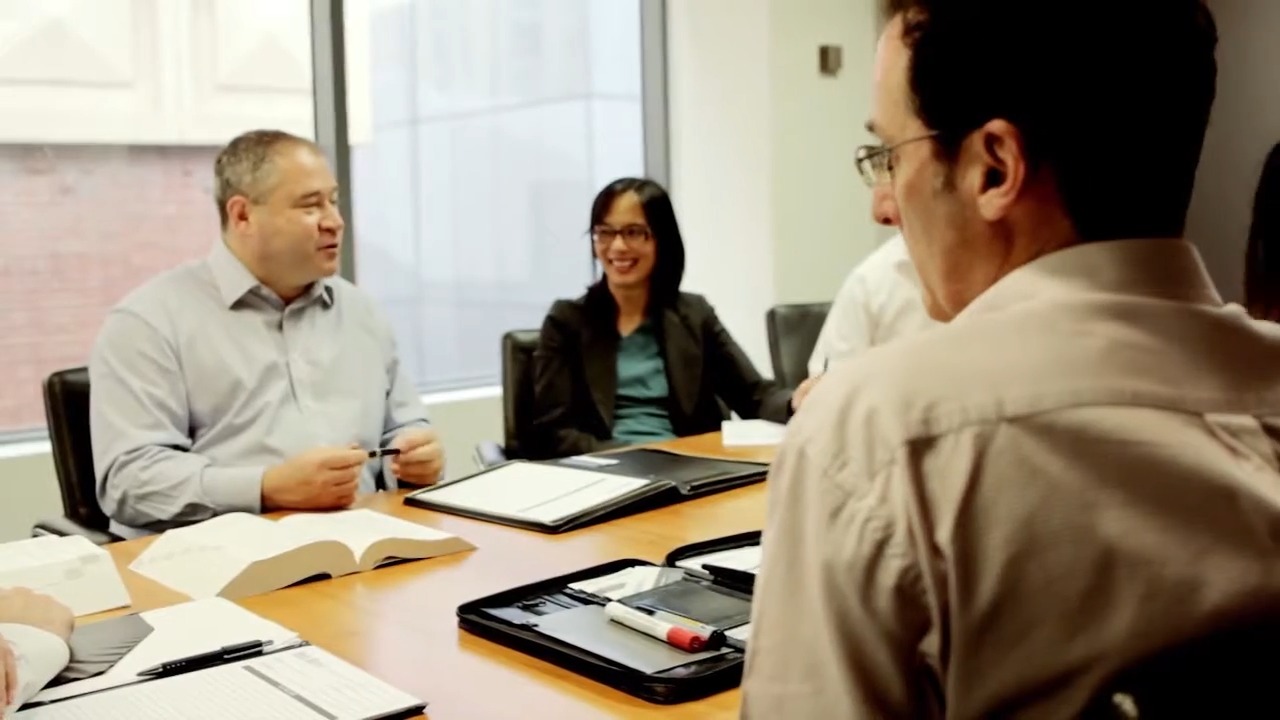
The third is professional credibility. When a campaign needs to communicate clinical, legal, or professional authority alongside emotional truth, putting a real clinician, lawyer, social worker, or specialist on screen does something that animation does not. The audience needs to see the person who is making the claim.
The fourth is campaign launch moments. Major NFP campaigns often hinge on a single hero piece that anchors the rest of the rollout. Live action video, particularly when it includes ambassador voices or community leaders, gives a campaign a centre of gravity. Everything else, the social cuts, the animated explainers, the static assets, can radiate out from that core piece.
Where Animation Still Wins
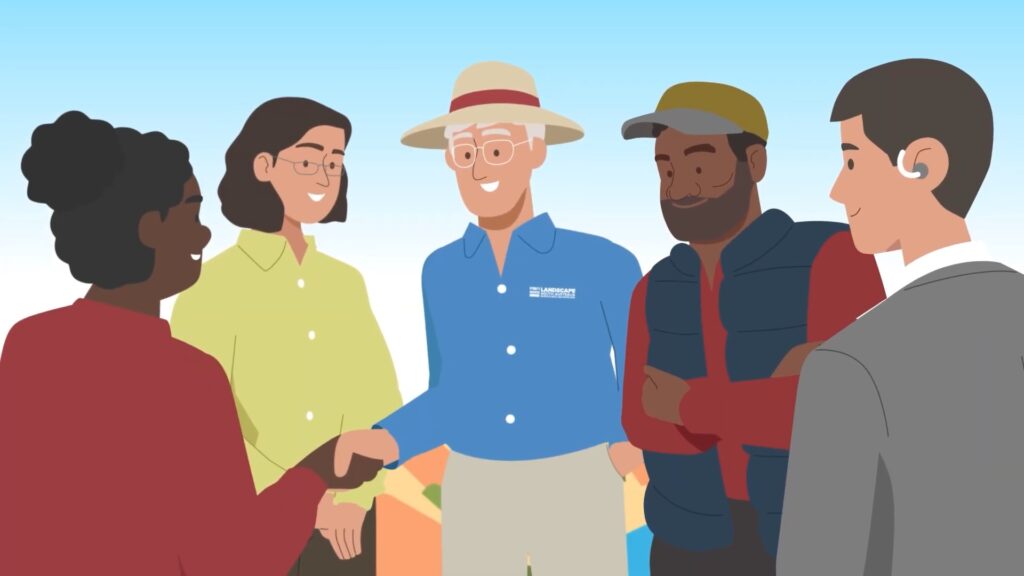
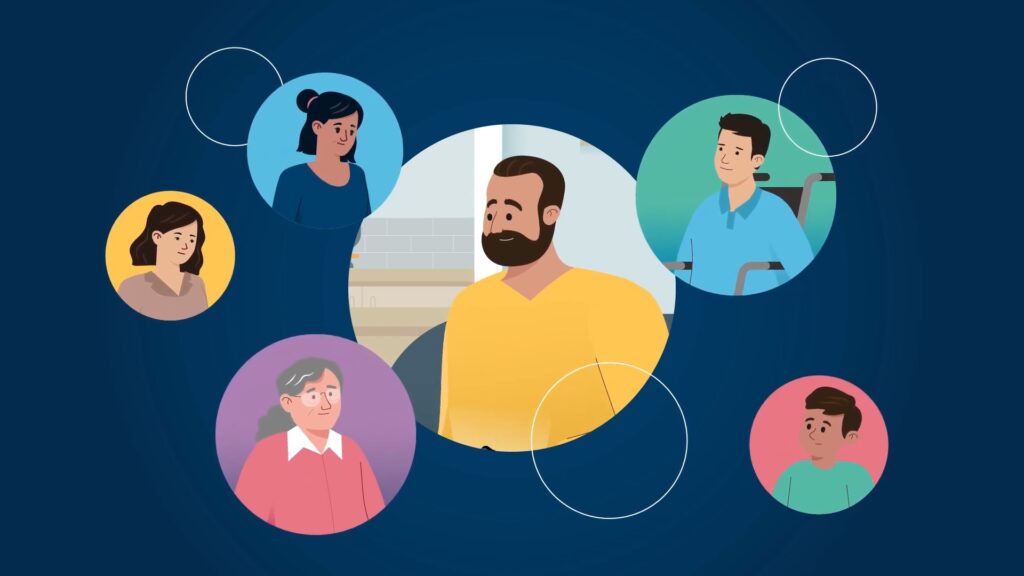
None of this means animation is the wrong choice. For NFP organisations explaining a service pathway, breaking down a complex policy, or producing content where the subject matter is too sensitive to film, animation remains the strongest format. The point is not animation versus live action. The point is matching the format to the message.
The most effective NFP content strategies use both. Animation for the service explainer that needs to communicate clearly across languages. Live action for the campaign hero piece that needs to make people feel something. Together they cover the full communication ecosystem an NFP organisation needs to operate in. This is also where concept testing earns its place: it helps NFP teams work out, before they commit to production, which format will actually move their audience.
The Practical Side of NFP Live Action Production
Live action video can feel intimidating for NFP teams used to working within tight budgets. Crews, locations, talent, equipment, post-production. The numbers can climb quickly. But there are practical ways to produce live action that respects an NFP budget without compromising the quality of the storytelling.
Filming multiple stories in a single shoot day. Using documentary-style approaches that need less crew than fully art-directed shoots. Filming in locations that already exist within the organisation’s network. Building shoots around community events the organisation is running anyway. Treating each interview as a self-contained edit so the content can be repurposed across multiple campaigns over time. These approaches make live action achievable on budgets that NFP teams can actually defend internally.
The other consideration is care. NFP live action production often involves people sharing personal, sometimes painful stories. The production team needs to be experienced in working with vulnerability. Consent processes, support before and after filming, the right to withdraw, sensitive editing decisions, and clear communication about how the content will be used. These are not optional extras. They are the foundation of doing this work ethically.
How to Plan a Live Action NFP Campaign
A few principles tend to make the difference between live action campaigns that build trust and live action campaigns that fall flat.
Start with the audience. Who needs to see this, what do they already think, and what would have to be true on screen for them to engage. Working back from there guides every other decision, including which voices to feature and how to frame them.
Choose voices, not actors. The strongest NFP live action campaigns feature real people, not professional talent reading a script. Casting from within the community the campaign is designed to serve is almost always the right call.
Plan distribution before production. A beautiful live action piece that lives on a hard drive does not serve anyone. The distribution plan should be locked in before the shoot, because it shapes how the content is cut, framed, and packaged.
Measure what matters. Views are a weak metric for NFP campaigns. More useful measures include qualitative feedback from the community the content is about, behavioural shifts the campaign is designed to drive, and the way internal stakeholders and partner organisations respond to the work.
To see how NFP and purpose-driven organisations have approached this work in the past, you can browse our portfolio here. Each project starts from the same place: what does this community need to hear, and whose voice should be carrying it.
Ready to Build a Live Action Campaign That Earns Trust
For NFP teams considering a live action approach, the most important thing is to start the conversation early. Live action campaigns benefit from longer planning runways than animation because there are more moving parts: talent, location, scheduling, ethics, consent, distribution. The earlier the thinking starts, the stronger the final piece tends to be.
If you are planning a campaign and would like to talk through whether live action is the right format for it, get in touch with the team. We work with NFP organisations across mental health, social wellbeing, advocacy, and community engagement, and we are happy to walk through what an approach might look like for your specific project.