The Stakeholder Trust Problem No One Talks About
Engagement leaders sit at a difficult intersection. On one side, you have the organisation: its strategy, its programs, its operational realities. On the other side, you have stakeholders who need to trust that the organisation is doing what it says it is doing. Boards. Funders. Government partners. Member organisations. Peak bodies. Community advisory groups. Each one has its own information needs, its own scepticism, and its own way of judging credibility.
For directors of engagement, stakeholder engagement managers, and community engagement leads working across NFP, charity, government, and aged care sectors, the workload of maintaining these relationships is enormous. Every quarter brings another board paper, another funder report, another partner update, another community briefing. The written documentation is necessary but rarely sufficient. Words on a page do not convey tone. They do not show the work happening on the ground. They do not let stakeholders see for themselves what the organisation is actually delivering.
This is where video starts to earn its place in the engagement toolkit. Not as a marketing asset, but as an evidence and relationship-building tool. Used well, video gives stakeholders something they cannot get from a report: a window into the organisation that feels honest, current, and grounded in real activity.
Why Stakeholder Engagement Is Different to Community Engagement
It is worth drawing a line between the two, because they often get conflated. Community engagement is outward facing. It is about the people the organisation serves, the audiences who use its programs, and the citizens whose participation makes the work possible. Stakeholder engagement is about the people who fund, govern, regulate, partner with, or hold the organisation accountable. The audiences are different, the tone is different, and the kinds of content that work for each are different.
A community engagement campaign might use a vibrant animated explainer or a documentary-style live action piece to reach a broad audience. A stakeholder engagement piece is usually quieter. More measured. Built around evidence, outcomes, and considered voices. The stakeholder audience does not need to be entertained. They need to be reassured that their investment, their oversight, or their partnership is being honoured.
This is why research and strategy matters as much as the production work itself. The engagement leaders who get the most out of video are the ones who start by asking what each stakeholder actually needs to see, not what looks impressive in a marketing reel.
The Stakeholder Audiences Worth Building Video For
Not every stakeholder relationship justifies a video investment. But several do, and engagement leaders who identify them early get disproportionate value from the work.
Boards and governance committees. Boards spend most of their time reading. A well-made video shown at the start of a board meeting, three to five minutes, can shift the energy of the whole session. It gives directors a shared reference point, surfaces operational detail they would not otherwise see, and makes the conversation more grounded. Quarterly board videos are particularly useful for organisations operating across multiple sites or programs.
Funders and grantmakers. Acquittal reports are necessary but limited. A short video supplementing a funding report shows the funder what their investment actually delivered: the people involved, the work happening, the outcomes taking shape. For multi-year funding relationships, this kind of content does more for renewal conversations than any number of additional KPI tables.
Government partners and policy stakeholders. Engagement leaders working across NFP, charity, and aged care often have to communicate complex program work to government counterparts who oversee policy, contracting, or compliance. Video can compress months of program detail into ten minutes of viewing time, while making the human dimension visible in ways written reports rarely manage.
Peak bodies and sector partners. Engagement work increasingly happens across organisational boundaries. Sharing a short, well-made video with a peak body or sector partner is often more useful than circulating another PDF, because it travels through their networks more easily and carries the organisation’s tone with it.
Community advisory groups and lived experience panels. Engagement leaders working with advisory groups often need to communicate decisions, updates, or program changes back to the people who advised on them. Video creates a more respectful loop than written summaries because it lets advisory members see and hear the people making decisions.
What Makes Stakeholder Video Different in Practice
The production choices that work for stakeholder engagement video are different to the choices that work for public-facing campaigns. The tone is more conversational and less promotional. The pace is measured rather than energetic. Music is restrained or absent. Captions are accurate. Voices are real, not voiceover artists. And the duration is calibrated to the patience of the audience, which for most stakeholder content sits somewhere between three and seven minutes.
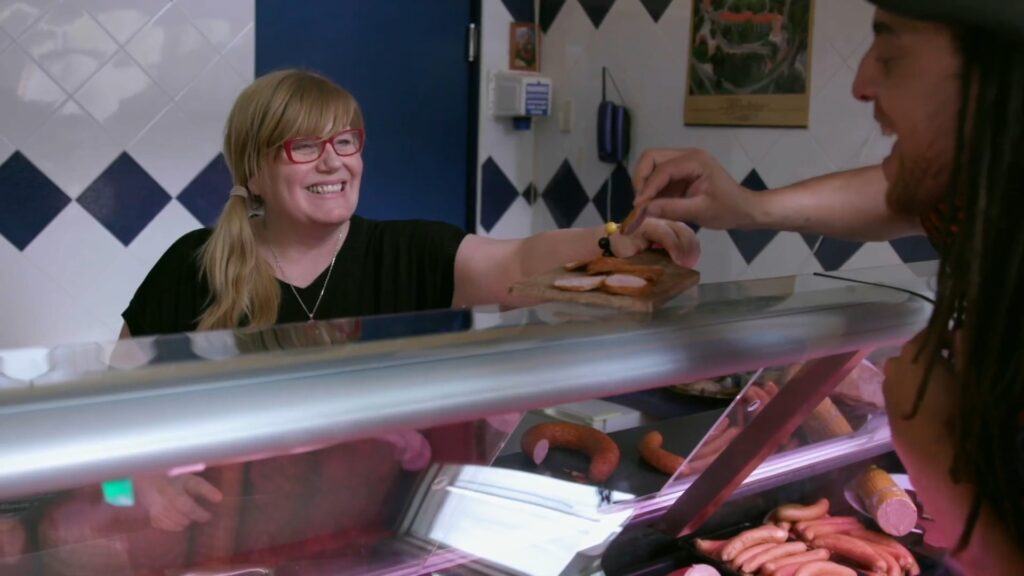
The visual treatment also matters. Heavy graphics, sweeping transitions, and high-energy editing all read as marketing. Stakeholder audiences are tuned to detect that, and it undermines the credibility of the content. The better treatment leans toward documentary: natural light where possible, real environments, real conversations. Distribution strategy also looks different for stakeholder content because the audience is small, defined, and reached through closed channels rather than open publishing.
For engagement leaders running this work across multiple stakeholder relationships, building a small library of evergreen content tends to outperform commissioning bespoke pieces every time a new conversation comes up. A handful of well-made videos covering the organisation’s work, its outcomes, and its people can be drawn on repeatedly across funder meetings, board sessions, and partner briefings.
The Common Mistakes Engagement Leaders Make
The most common mistake is using a marketing-style video for a stakeholder engagement context. Glossy, fast-paced, music-heavy content reads as promotional, and stakeholders disengage almost immediately. Engagement leaders who borrow marketing content for stakeholder use often find the response colder than they expected.
The second mistake is making the chief executive or board chair the only voice on screen. Stakeholders often want to hear from the people doing the work, not just the people leading it. Including frontline staff, program leads, and where appropriate community voices, gives the content credibility that executive talking-head pieces rarely achieve.
The third mistake is treating stakeholder video as a one-off rather than a habit. Engagement is relational. A single video, however good, does less for the relationship than a steady cadence of shorter pieces over time. Engagement leaders who plan a quarterly or biannual rhythm get compounding returns from the work.
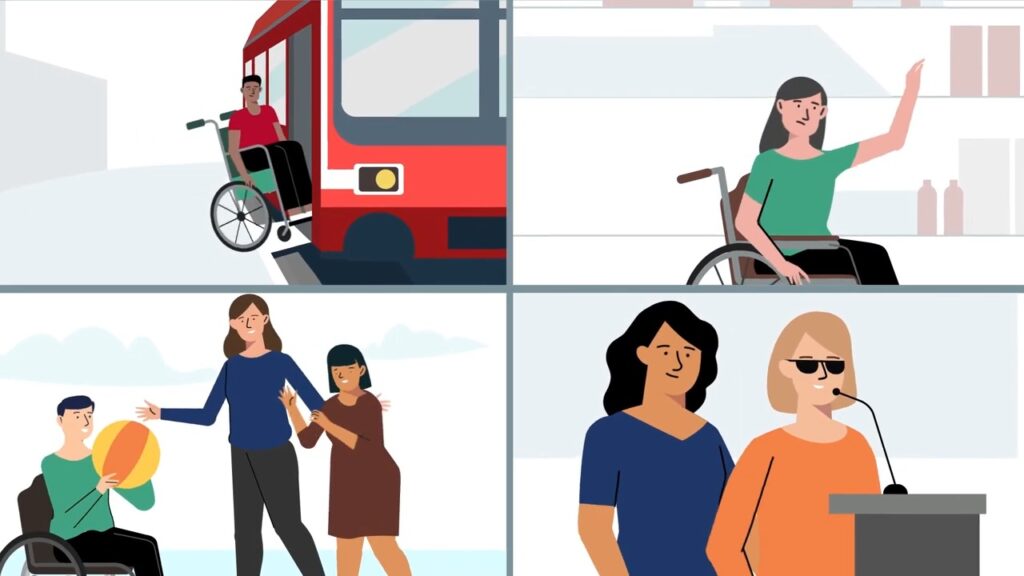
The fourth is forgetting accessibility. Stakeholder audiences include older directors, people with hearing impairment, and partners who watch on muted devices in offices. Captions, transcripts, and considered language are not optional. They are part of what makes the content actually usable for the people it is meant to reach.
How to Brief a Stakeholder Engagement Video
A useful brief for this kind of work starts with the stakeholder, not the organisation. Who is this for. What do they already know. What do they need to know next. What would make them feel more confident in the relationship. What might make them less confident if it appeared in the content. These five questions tend to produce better briefs than the standard creative brief template, because they keep the audience at the centre.
From there, the production approach can be designed to fit. Short interviews with relevant staff or community members. A simple narrative spine that walks the stakeholder through what the organisation has been doing. Honest acknowledgement of challenges as well as successes, because credibility is built on candour. To see how this kind of engagement-led video work has come together for organisations across sectors, you can browse our portfolio here.
Ready to Strengthen Your Stakeholder Relationships
For engagement leaders thinking about adding video to their stakeholder toolkit, the most important thing is to start small and start considered. A single, well-made piece designed for one specific stakeholder relationship will do more than a slick package designed to impress everyone.
If you are scoping a stakeholder engagement video project, or thinking about how video could support your engagement strategy more broadly, get in touch with the team. We work with engagement leaders across NFP, government, aged care, and member-based organisations, and we are happy to talk through what an approach might look like for your specific stakeholder context.