





Animation
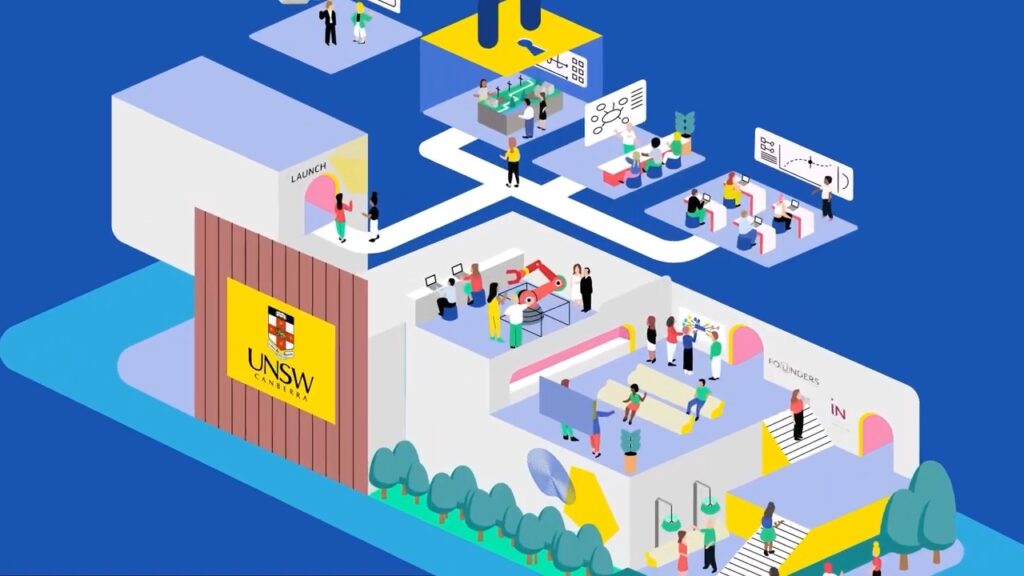
Our fully equipped animation studio creates engaging animated videos that make complex ideas easy to understand.

Plan how your content reaches people before you hit publish. We map the right channels, partners, and timing to ensure your video lands with the audiences who need to see it, not just the algorithm.
Our distribution strategy service combines channel planning, partnership mapping, and timing optimisation to ensure your content reaches the audiences who need it. Every project is built around your goals, your communities, and the platforms where they're active.
Our fully equipped animation studio creates engaging animated videos that make complex ideas easy to understand.
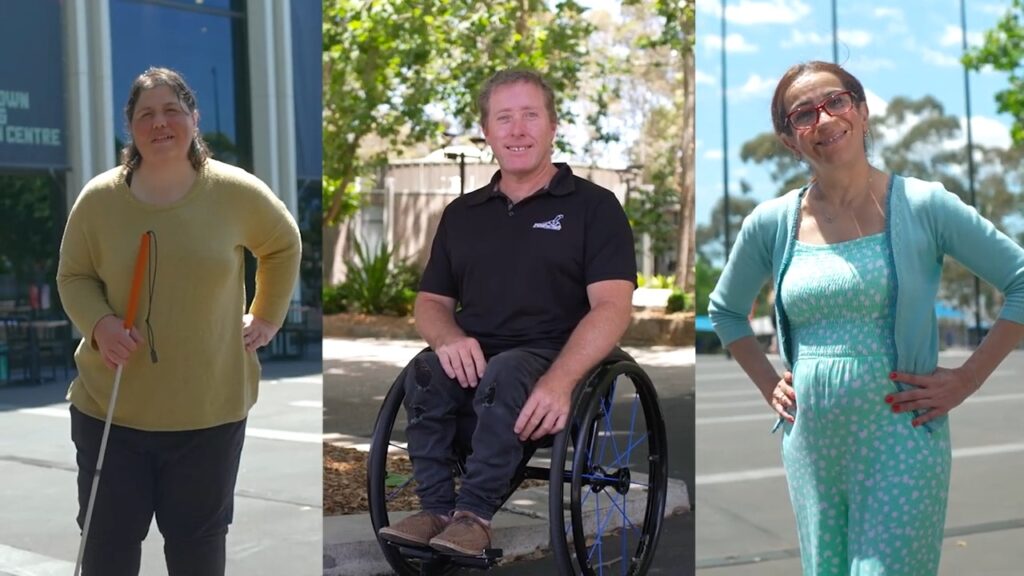
We produce live-action videos that capture real people and real stories to build trust and credibility.
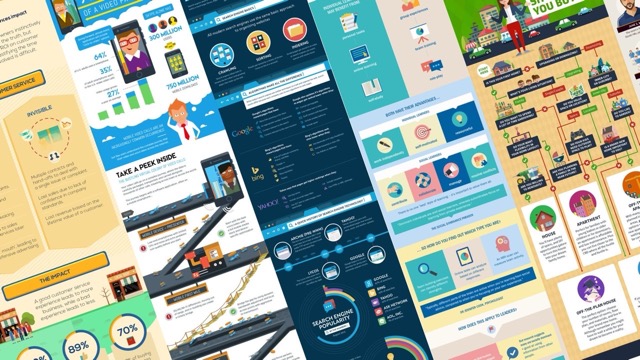
We design clear, purposeful visuals that help information land quickly across print, digital, and campaign channels.

We provide strategic guidance to ensure video and design are used intentionally, not as one-off deliverables.
Every project we deliver is backed by strategy, collaboration, and purpose. For more than 14 years, we’ve helped organisations across Australia connect with their communities, inspire action, and build trust through clear, creative communication.
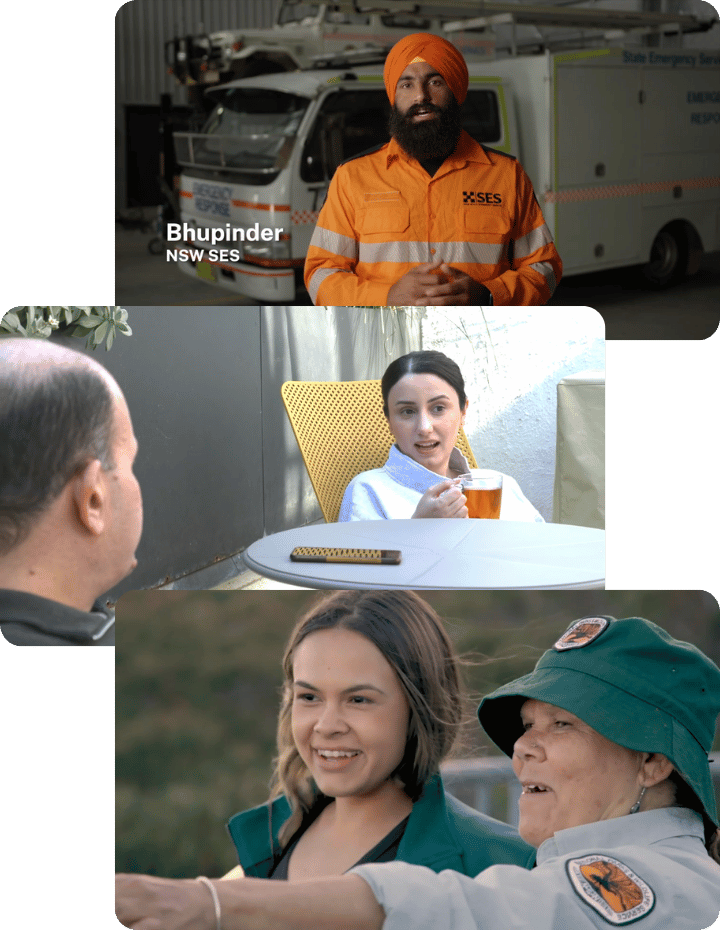
Our team makes complex campaigns simple, guiding you through every step with structure, clarity, and support.
Your content is finished, your message matters, and viewership isn’t matching effort.
We understand the challenge of turning production investment into actual reach and engagement.
That’s where distribution strategy helps and where Punchy makes the process effortless.
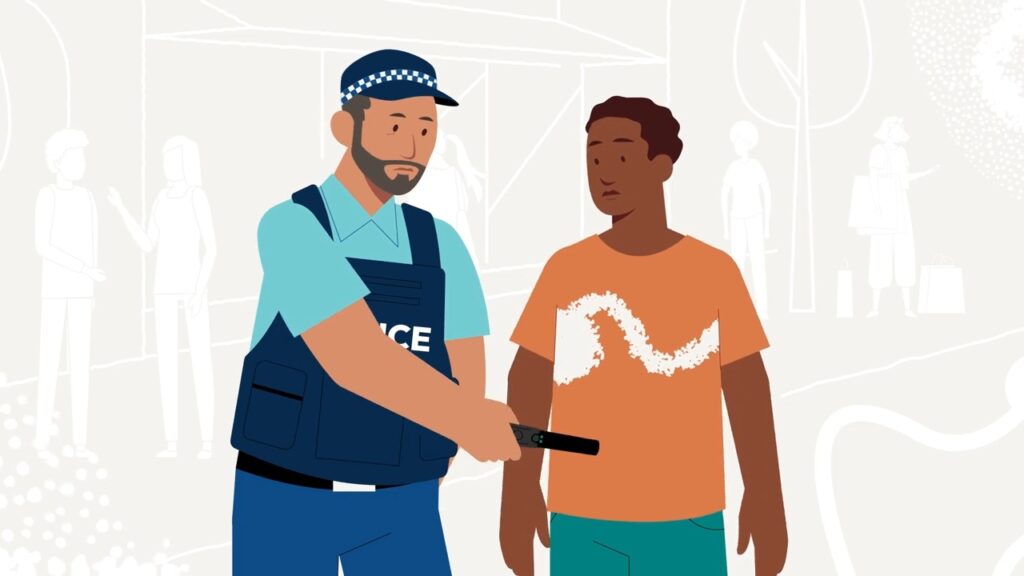
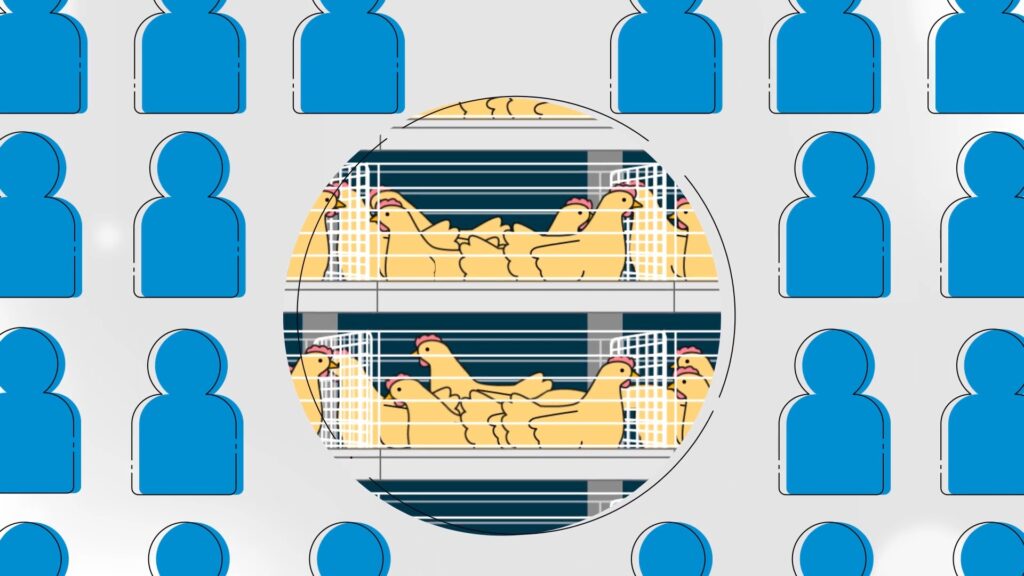




















A distribution strategy defines how content will reach the intended audience, through which channels, in what formats, and at what time. It matters because high quality content alone does not guarantee impact. Content can be ignored, mismatched to platforms, or difficult to access without a plan for how it will travel. A distribution strategy prevents content being released in isolation and supports better reach, engagement, and behaviour change. For organisations that communicate with the public or multiple stakeholders, it ensures resources are used effectively instead of relying on chance or assumptions.
Distribution strategy works best when it is developed before or alongside content production, not after. This ensures content is created in the right formats, lengths, and ratios, with the right messaging and supporting assets. Planning distribution after production often leads to avoidable issues such as missing platform variants, unsuitable file formats, or no plan for amplification. When distribution considerations are built in early, organisations can make informed decisions about how content will be seen, who will engage with it, and how to support audience behaviour across different touchpoints.
A distribution strategy is suited to government, NGOs, public health, education providers, and purpose driven organisations that need their content to inform, educate, or shift behaviour. It is also valuable for organisations with multiple stakeholder groups, diverse audiences, or sensitive communication environments. Without a distribution strategy, content often underperforms even if the production quality is high. For teams managing campaigns, public programs, service information, or educational content, a distribution strategy provides clarity on where to release content, in what order, and with what support, so that it reaches the people it is intended for.
We select channels based on evidence rather than preference. This includes understanding where your audience spends time, how they look for information, how much attention they are willing to give, and what formats they trust. We also consider context, such as whether your audience engages during work hours, on mobile devices, or through community networks. Channel selection is not about being everywhere, but being present where it matters. By focusing on audience behaviour rather than organisational habits, we avoid wasted effort and ensure content has the best chance of being seen, understood, and acted upon.
Yes. Channel recommendations are grounded in behavioural patterns, platform usage data, demographic information, and real world context. We pay attention to how audiences consume content, what types of messages they trust, and which platforms support or hinder comprehension. We also draw on research from similar sectors and campaigns. This approach prevents guesswork and reduces the risk of launching content into channels that are unlikely to deliver results. Data does not replace strategy, but it informs it and makes distribution decisions more defensible for internal stakeholders and funding bodies.
We view distribution as an ecosystem rather than a single pathway. Owned channels include your website, social media, and direct mailing lists. Earned channels may include media coverage, sector bodies, or community groups who share content because it is useful. Partner channels may include aligned organisations, networks, or micro communities. A good distribution strategy blends these so content is not limited to one environment. This is particularly important for public and community sector work, where trust and reach are shared across networks rather than delivered by a single voice.
Yes. We can identify partners such as community groups, sector bodies, local networks, professional associations, and micro influencers whose audiences overlap with your intended audience. This approach works well for public health, community education, regional communication, and behaviour change. Amplification does not rely on celebrity influencers. It relies on trusted messengers who have existing credibility within their communities or professions. By mapping these networks early, we increase the reach and legitimacy of your content while reducing reliance on paid channels alone.
We consider campaign timelines, attention cycles, platform norms, and the purpose of each asset. Some content builds awareness, some reinforces understanding, and some prompts action. Sequencing ensures these pieces are released in a logical order rather than everything at once. Timing may include considerations such as seasonal behaviour, policy cycles, cultural events, or operational constraints. A structured rollout helps audiences engage without fatigue and gives internal stakeholders clarity about what happens when and why.
Yes. Different platforms reward different behaviours and contexts. For example, short captioned video may perform better in mobile feeds, while longer form content may suit websites or presentations. Static graphics, slides, and text based content may suit stakeholder channels where video is not practical. We advise on format variations such as aspect ratios, runtimes, captioning, and supporting assets so your content is not penalised by platform rules or user expectations. This improves reach and comprehension without reinventing the core message.
We begin by understanding the campaign or organisational objective, such as awareness, education, recruitment, or behaviour change. We then map distribution to support that objective rather than treating it as an afterthought. This alignment ensures internal teams understand why content is being released, who it is for, and what action is expected. It also ensures distribution does not conflict with operational, policy, or reporting cycles. When distribution supports the bigger picture, content becomes a strategic asset rather than a one off post.
Yes. One off campaigns benefit from short bursts of coordinated dissemination and amplification. Ongoing programs benefit from sustained touchpoints, educational reinforcement, and periodic updates. The strategy adapts to the time horizon of the work rather than forcing everything into a campaign model. This is especially important for organisations involved in public health, safety, education, and community engagement, where change takes time and repeated exposure.
We outline how content can be reused, adapted, or broken into smaller components for different platforms and audience segments. This may include cutdowns for social media, still frames for graphics, pull quotes for presentations, or simplified visuals for fact sheets. Repurposing extends the lifespan of content and increases value from the original investment. We also identify what should not be repurposed, such as sensitive or contextual footage that may lose meaning outside its intended environment.
Yes. We can adapt existing content for new platforms, audiences, or campaigns. This may involve resizing, reversioning, captioning, revoicing, or producing supporting assets such as carousels and static graphics. We can also update older content to improve accessibility, accuracy, or relevance. Adaptation is common for organisations that run long term programs or need to extend the lifespan of content without starting from scratch.
The plan is written to be implemented by real teams with real constraints. It does not rely on vague suggestions or generic advice. It provides specific guidance on platforms, formats, timing, amplification, repurposing, and roles. The goal is to remove ambiguity so that communication and marketing teams can execute without needing further translation. We focus on clarity, sequence, and feasibility rather than theoretical models.
Timelines depend on scope, the number of channels being considered, and stakeholder availability. Some engagements take a few weeks, while more complex work involving partner networks or multiple audience segments may take longer. If your team is responsive and materials are readily available, timelines can move efficiently. We do not drag out work for the sake of process.
You provide context about audiences, goals, existing channels, and internal constraints. We handle research, planning, and recommendations. You review the strategy before finalisation to ensure accuracy and internal fit. You do not need to draft plans or frameworks. The process is collaborative but not burdensome, particularly for small communication teams.
A short conversation is usually enough to understand your goals and level of uncertainty. We can help you determine whether a distribution strategy is the right tool and what shape it should take. You do not need a full brief or defined scope to start. We support early scoping and decision making so you can move forward with confidence.
One of our expert strategists will call within the hour to discuss your project, provide transparent pricing and realistic timelines so you know exactly what to expect.
Alternatively, you can book a meeting at a time that suits you here.
Submit the form to receive our full pricing guide with transparent costs, inclusions and timelines.