





Animation
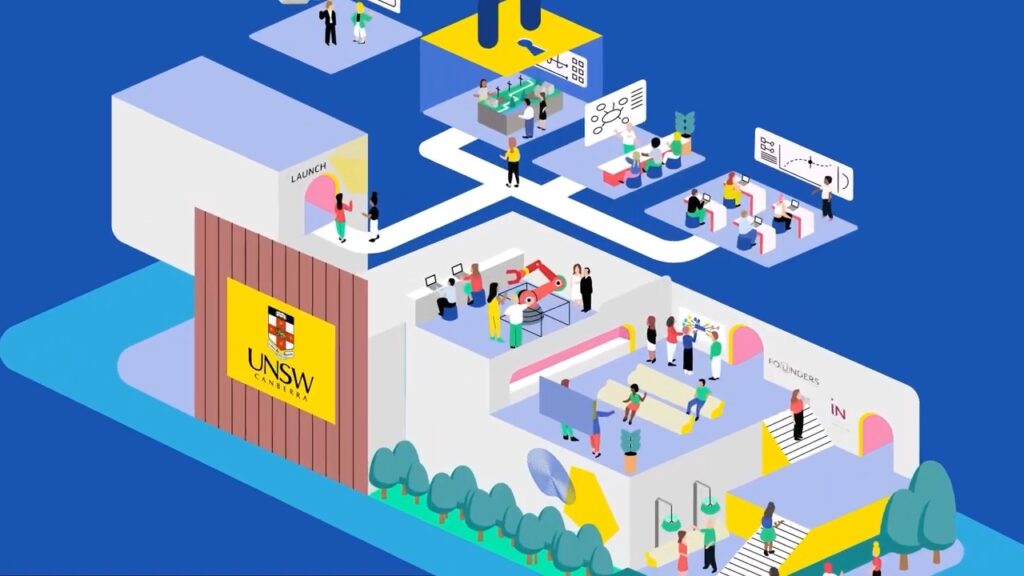
Our fully equipped animation studio creates engaging animated videos that make complex ideas easy to understand.

Go beyond assumptions about who your audience is. We research motivations, trust gaps, and content habits to help you communicate in ways that actually connect and drive action.
Our audience analysis service combines research, behavioural insight, and strategic mapping to help you understand who you're really talking to. Every project is built around your goals, your communities, and the gaps between what you're saying and what they're hearing.
Our fully equipped animation studio creates engaging animated videos that make complex ideas easy to understand.

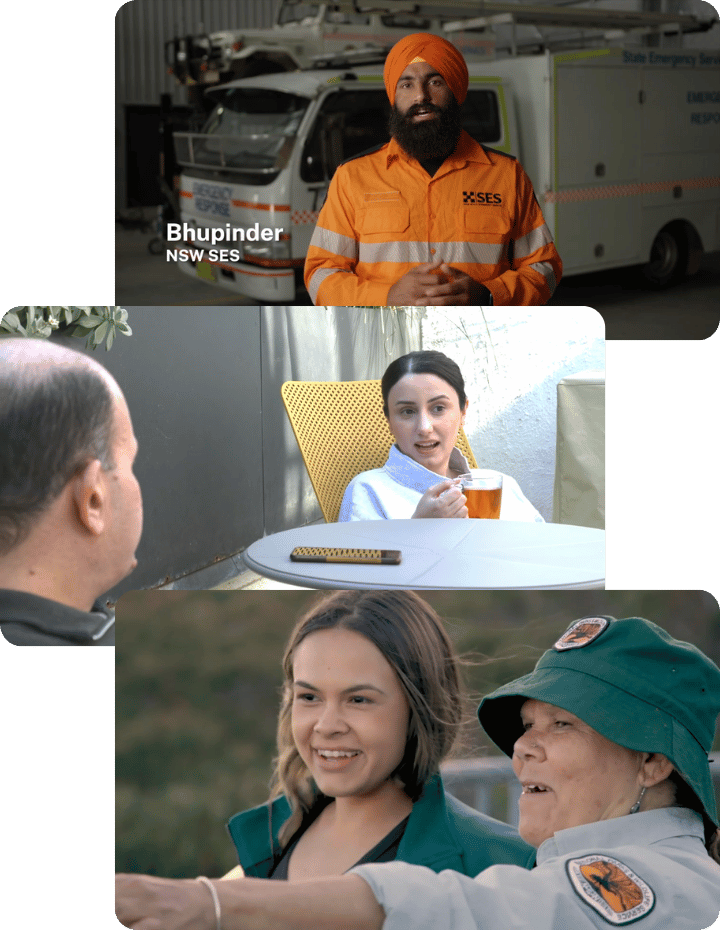
We produce live-action videos that capture real people and real stories to build trust and credibility.
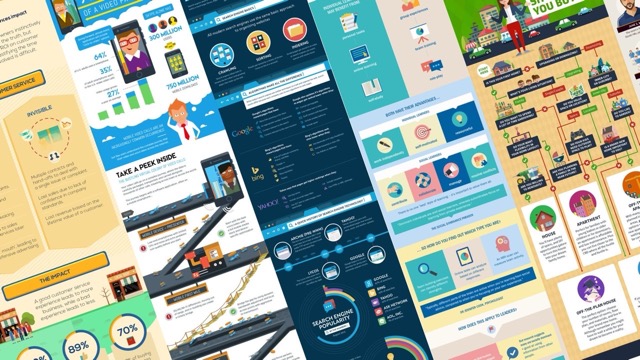
We design clear, purposeful visuals that help information land quickly across print, digital, and campaign channels.

We provide strategic guidance to ensure video and design are used intentionally, not as one-off deliverables.
Every project we deliver is backed by strategy, collaboration, and purpose. For more than 14 years, we’ve helped organisations across Australia connect with their communities, inspire action, and build trust through clear, creative communication.
Our team makes complex campaigns simple, guiding you through every step with structure, clarity, and support.
Your campaigns aren’t landing, your engagement is flat, and you’re not sure what’s blocking connection.
We understand the challenge of reaching diverse audiences without understanding their real motivations and barriers.
That’s where audience analysis helps and where Punchy makes the process effortless.

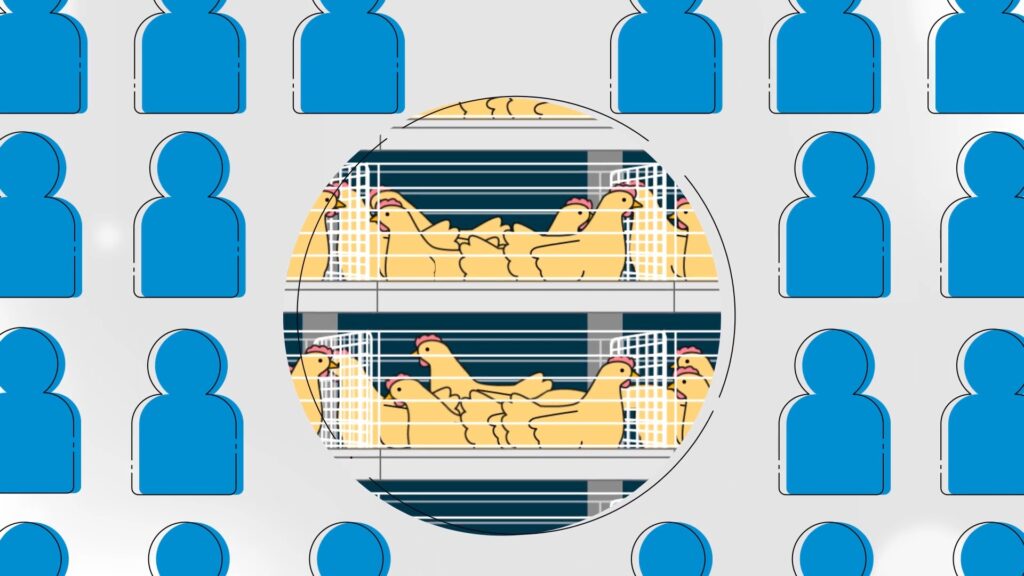























Audience analysis is the process of understanding who your audiences are, what they care about, how they behave, and what will influence their decisions. It is worth investing in when the message is complex, the behaviour change is significant, the audience is diverse, or there is uncertainty about how to communicate effectively. It helps organisations avoid guesswork and produce content that lands with real people rather than internal assumptions.
Audience analysis is valuable for organisations that communicate with the public, stakeholders, or regulated groups. This includes government, NGOs, public health, education, finance, and purpose driven organisations. It is also useful for internal communication when culture or behaviour change is required.
Basic profiling tells you who your audience is on paper, such as age, gender, or location. Audience analysis digs deeper into motivations, values, barriers, beliefs, and how people actually behave. It looks at why people act in certain ways and what might need to change for a message to land. This difference is critical when the goal is education or behaviour change rather than awareness alone.
It clears up questions such as who the content is for, what problem it is solving, what assumptions need to be challenged, how much context the audience already has, and what format they will respond to. Without this clarity, production often becomes slow, political, and risky because stakeholders disagree on what the audience cares about.
Insights may include motivations, values, pain points, behavioural barriers, content preferences, trust factors, and format expectations. We also identify what information is missing, what language feels natural, and what triggers or stops behaviour. These insights guide strategy and creative decisions, not just marketing personas.
We combine qualitative research, stakeholder interviews, existing data, behavioural indicators, and real audience validation when possible. We look for patterns and contradictions rather than one off opinions. The goal is to understand how people make decisions and what might need to shift to support the desired outcome.
Yes. Demographics matter for access and context, but psychographics matter for behaviour and trust. We look at both because a 25 year old and a 55 year old may behave the same way if they share the same values or barriers, while two 25 year olds may behave very differently if their motivations are different.
We explore what platforms they use, when and why they use them, how they search for information, what formats they trust, and how much attention they are willing to give. We also look at environmental factors, such as whether they are watching with sound, scanning on mobile, or reading in high stress environments. This informs format choices later.
Personas are snapshots of distinct audience groups that summarise their goals, values, frustrations, behaviours, and content preferences. They are used to guide tone, messaging, creative direction, and distribution decisions. They prevent teams from designing for a generic mass audience that does not exist in reality.
Tone shifts depending on what the audience responds to, such as peer voice, authority voice, or practical instruction. Messaging changes depending on whether the audience needs clarity, reassurance, or empowerment. Creative direction follows audience values and attention patterns. Without this understanding, content often reflects internal opinions rather than audience reality.
Yes. Many communication failures happen because the audience does not trust the messenger or the medium, even if the information is accurate. Audience analysis identifies who people trust, who they listen to, what evidence they need, and where trust breaks down. This is essential for health, safety, public policy, and behaviour change.
Yes. Most organisations have partial knowledge or internal assumptions that do not always match real behaviour. Audience analysis either validates what is already known or challenges outdated beliefs. Both outcomes are valuable because they reduce risk before production and distribution.
Timelines vary depending on depth and stakeholder availability. Some engagements are completed in weeks, while others benefit from additional research or validation. If your team is responsive, the process can move quickly.
You provide context and access to internal stakeholders. We handle research, synthesis, and documentation. You review insights and confirm whether they align with the organisational reality. You do not need to draft reports or frameworks.
Deliverables typically include key audience segments, behavioural drivers and barriers, content consumption insights, trust and credibility considerations, and recommended implications for tone, messaging, and creative direction. Some deliverables may also include personas and validation findings if workshops are included. The output is written to be used by creative, communications, and internal teams.
Yes. Workshops can be used to test assumptions, hear from real audiences, or co-design content approaches. This is helpful when internal views differ or when cultural or behavioural nuance matters. Workshops reduce the risk of producing content that does not resonate.
A short conversation is usually enough. We can clarify your context, identify gaps, and suggest the right level of analysis. You do not need a detailed brief to start. We help shape that once we understand your goals and audiences.
One of our expert strategists will call within the hour to discuss your project, provide transparent pricing and realistic timelines so you know exactly what to expect.
Alternatively, you can book a meeting at a time that suits you here.
Submit the form to receive our full pricing guide with transparent costs, inclusions and timelines.