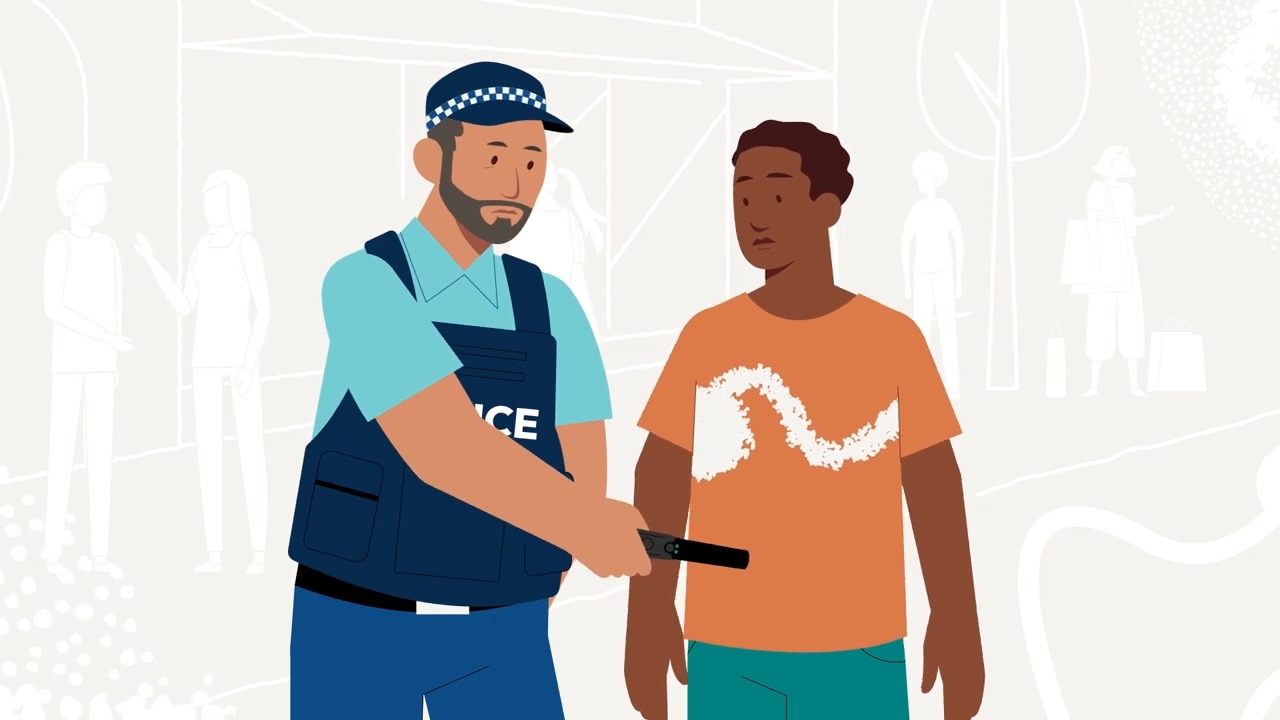
In Queensland, police have the power to use handheld metal detection wands in designated public spaces under Jack’s Law. The stated purpose is to reduce knife crime. The reality, for many First Nations people, has been something quite different.
Data from an independent Griffith University review found that Indigenous people made up 11.8% of those wanded whose ethnicity was recorded, despite representing only around 4.6% of Queensland’s population. More troubling still, over 50% of charges resulting from wanding were for drug possession rather than weapons, meaning young people stopped for a “weapons search” were ending up with criminal records for minor, unrelated offences.
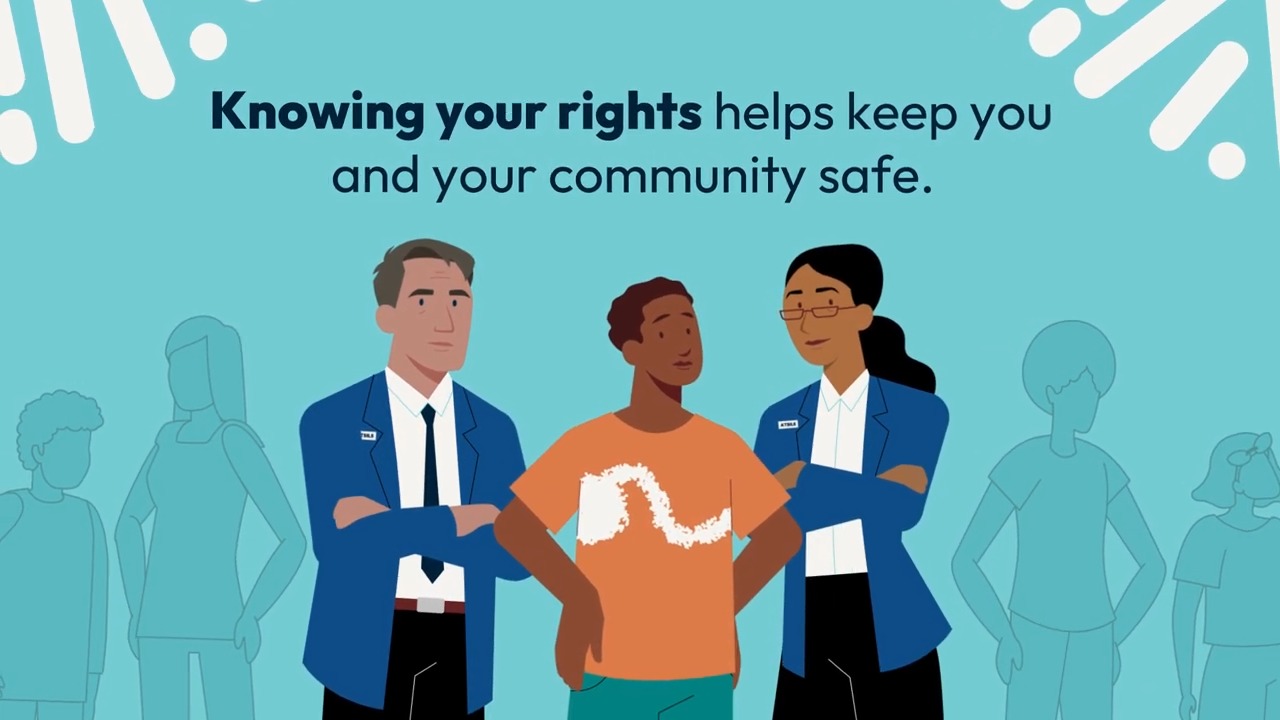
ATSILS needed a way to reach young First Nations people, many of them teenagers in communities with low literacy, and give them the knowledge to stay safe during a wanding encounter. Not to resist police, but to know their rights, stay calm, and know where to turn if something went wrong.