Behaviour change communication is one of the most demanding briefs a government comms team can receive. You are not just trying to inform people. You are trying to shift what they believe, how they feel, and ultimately what they do. That is a fundamentally different challenge from announcing a program or explaining a policy, and it requires a fundamentally different approach.
The problem is that a lot of government communication treats behaviour change like a standard information task. Awareness campaigns launch. Fact sheets go out. Social posts get scheduled. And the behaviour does not change — not because the information was wrong, but because information alone rarely drives behaviour. People already know they should exercise more, get screened earlier, drive slower, or seek help sooner. Knowing is not the barrier. Something else is.
Video, used well, is one of the few communication formats that can address that something else directly.
Why behaviour change is different from standard communication
Standard public communication aims to inform. Behaviour change communication aims to motivate. The distinction matters because the two require entirely different approaches, and conflating them is one of the most common reasons behaviour change campaigns fail to deliver measurable results.
To shift behaviour, your communication needs to do several things simultaneously. It needs to reach people emotionally as well as rationally, because emotion is what drives action, not logic alone. It needs to address the specific barriers that are stopping people from acting — whether that is lack of awareness, low perceived risk, conflicting social norms, practical obstacles, or some combination. And it needs to make the desired behaviour feel accessible and achievable, not just desirable in the abstract.
Text-based communication struggles with all of this. Dense copy requires effort to absorb and rarely creates the emotional resonance needed to motivate action. It cannot show someone what the desired behaviour actually looks like in practice, which is one of the most powerful drivers of change. And it is easy to ignore, which is a particular problem when the behaviour you are trying to shift is one your audience already has some resistance to.
What video does that other formats cannot
Video combines visual storytelling, emotional narrative, and demonstration in a way no other communication format can match. It can show rather than describe. It can make an abstract risk feel immediate and real. It can model the behaviour you want audiences to adopt — and research consistently shows that modelling is more effective than describing or explaining.
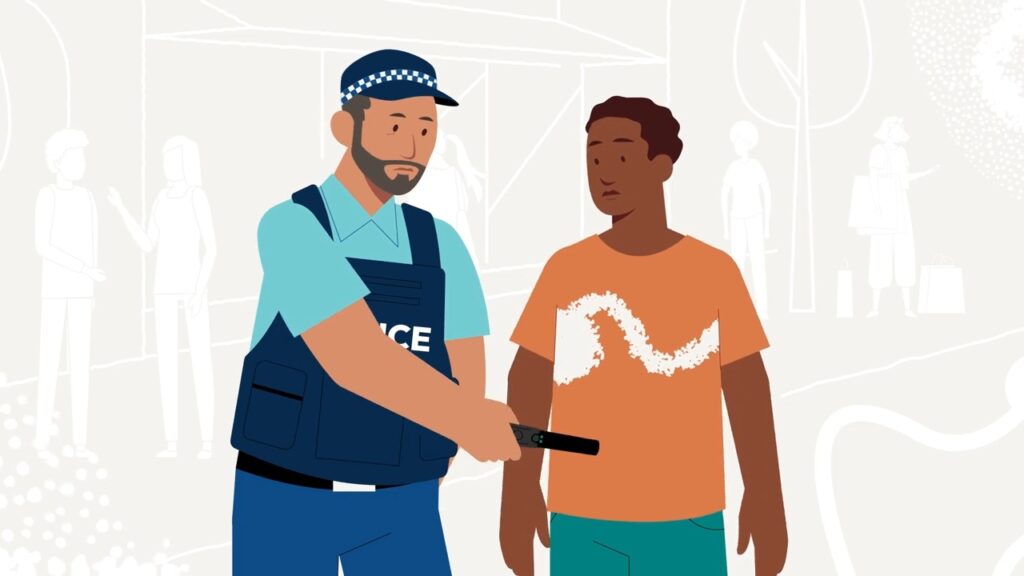
For road safety, public health, emergency preparedness, family services, and crisis support campaigns, this matters enormously. When the goal is to make someone change how they drive, seek mental health support earlier, prepare for a natural disaster, or know what to do in a crisis, showing them is fundamentally more powerful than telling them.
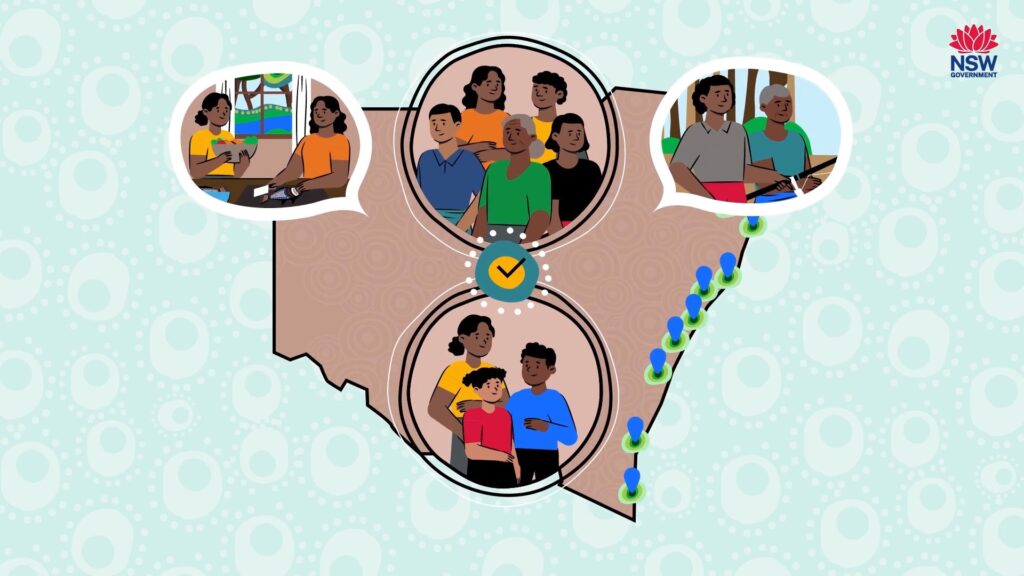
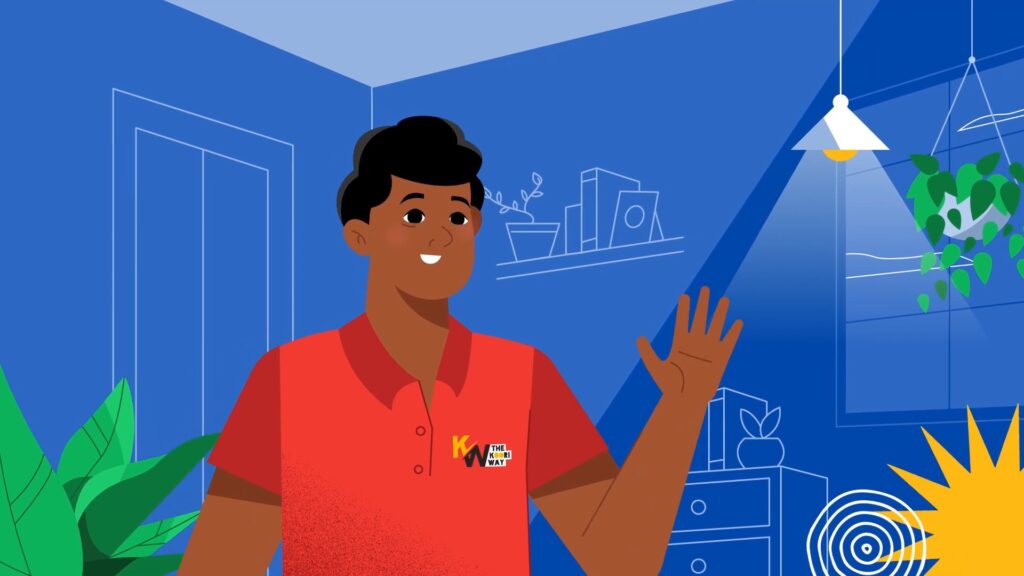
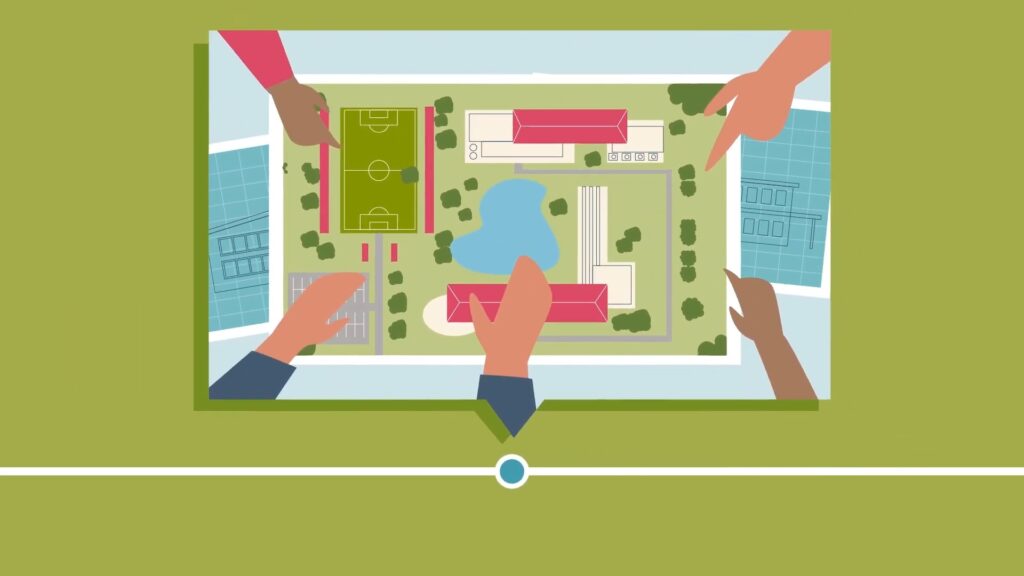
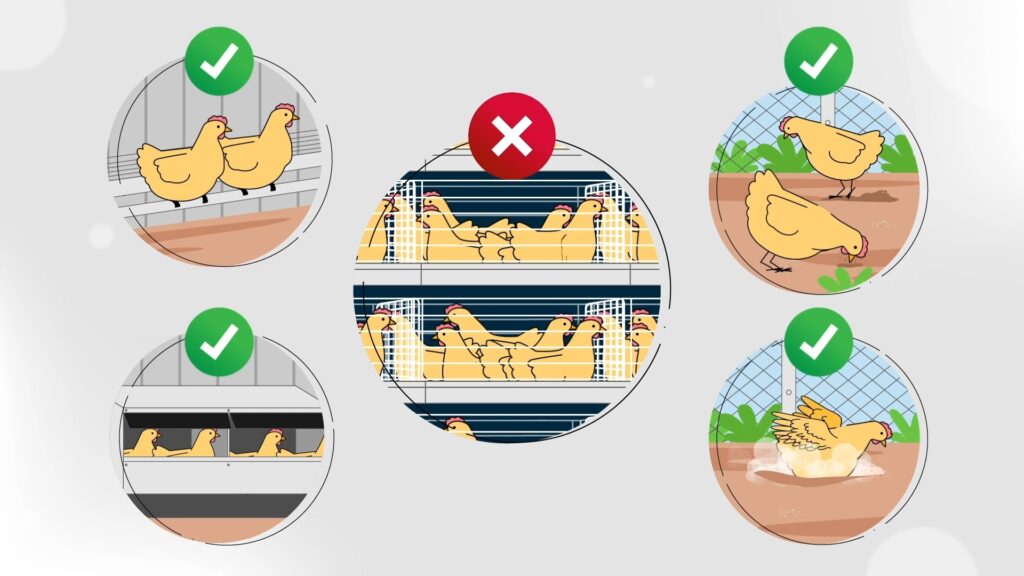
Animation is particularly effective for behaviour change topics that are sensitive, stigmatised, or difficult to film. It creates enough conceptual distance to allow audiences to engage with confronting material without shutting down emotionally, while still delivering a motivational impact. It also provides complete creative control over tone, pacing, and visual language — all of which matter enormously in campaigns where a single wrong note can undermine trust or trigger defensiveness.
The role of live action in behaviour change campaigns
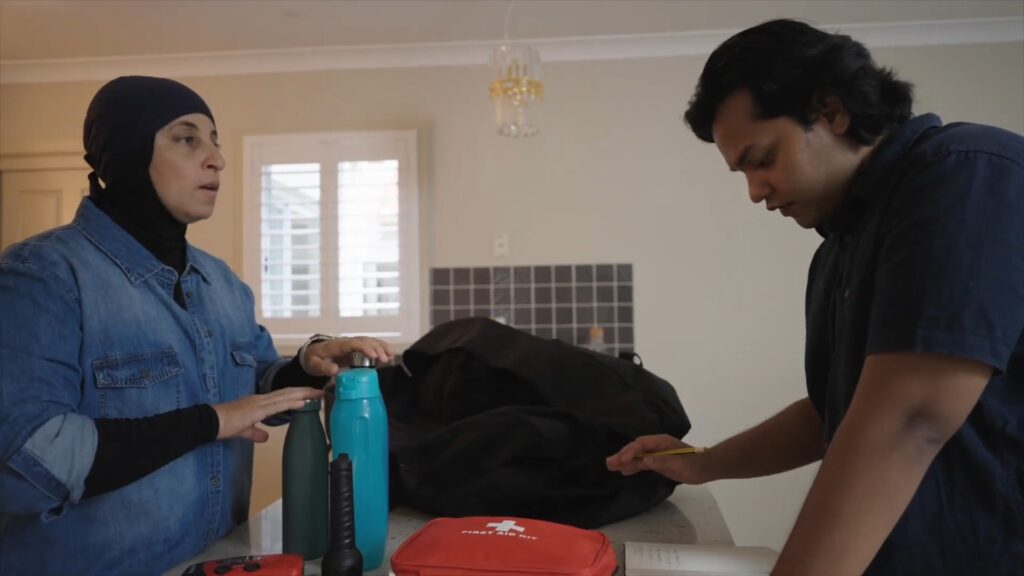
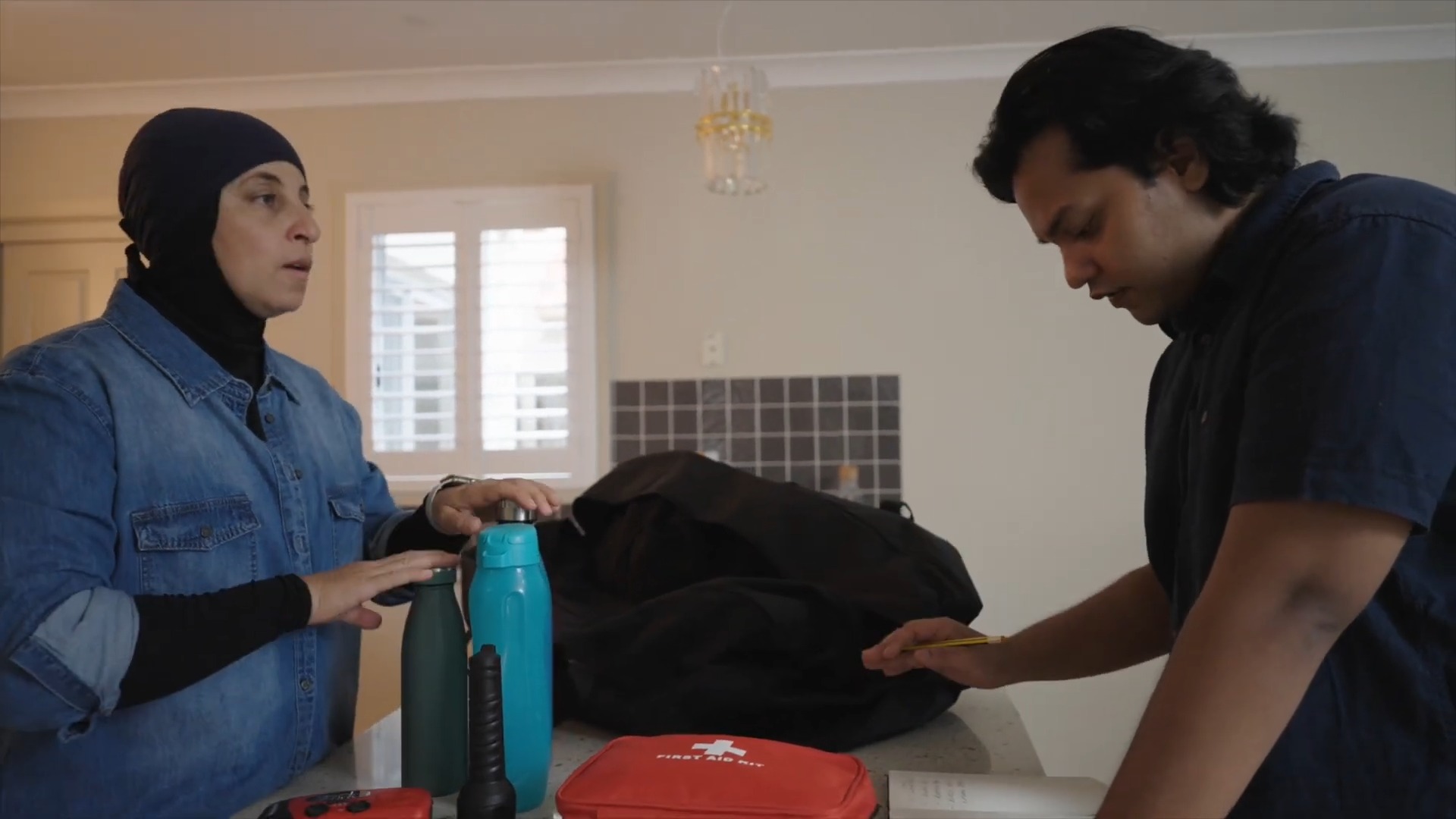
When authenticity and social proof are important — and in behaviour change communication, they very often are — live-action video featuring real people can be more persuasive than animation. Seeing someone who looks and sounds like you talk about their experience, or model a behaviour, creates social normalisation. It communicates that this is something people like me actually do — which is one of the most reliable drivers of behaviour change in social science research.
Live action also builds institutional trust effectively. A real person speaking with authenticity on camera conveys credibility in a way that is difficult to replicate through animation or written copy alone.
Many effective behaviour change campaigns use both formats within a coordinated content suite. An animated piece handles the educational component — what the risk is, why it matters, what the recommended behaviour looks like. A live-action piece provides the human connection and social proof that motivates people to act on what they have just learned. Each format does what it does best.
What makes a behaviour change video actually work
Not all video achieves behaviour change. The difference between a video that shifts behaviour and one that simply gets watched — or worse, skipped — comes down to several factors that should be addressed at the brief stage, not in post-production.
Audience specificity. Behaviour change communication that tries to speak to everyone tends to speak to no one. The most effective campaigns identify a specific audience segment, develop a genuine understanding of what is actually preventing that group from taking the desired action, and speak directly to that barrier. This requires real audience insight — qualitative research, community consultation, stakeholder input — not assumptions made internally.
Emotional engagement before rational argument. Audiences need to feel something before they will process information or consider changing their behaviour. Leading with statistics rarely achieves this. Leading with a story, a relatable character, or a situation the audience recognises and emotionally connects with does. The rational case can follow once emotional engagement has been established.
A single, clear call to action. Behaviour change video often fails because it tries to accomplish too much in a single asset. The most effective pieces focus on one specific, achievable action and make it as easy as possible to take. Every element of the video — the story arc, the tone, the ending — should serve that one call to action rather than dilute it.
A distribution strategy built for the target audience. A well-made video that does not reach the people who need to see it achieves nothing. Where does this audience spend their time? What platforms do they use? Who do they trust? Distribution should be part of the brief from the beginning, not an afterthought after production wraps.
Starting with the right foundation
When we work on behaviour change campaigns with government agencies, public health organisations, and NFPs, we start by understanding the audience’s current state in detail. What do they know? What do they believe? What has stopped them from acting so far? Sometimes the answer is visible in existing communication materials that are failing to land. A communication audit is often the most valuable first step — it surfaces the gaps and clarifies what kind of intervention is actually needed before a single frame is produced.
From there, the creative approach is built around the specific gap we have identified. Not around what the organisation wants to say, but around what the audience needs to hear, see, or feel in order to move. That shift in orientation sounds simple, but it is the single most important factor in whether a behaviour change campaign produces results or simply produces content.
If you are working on a behaviour change brief and want to talk through the right format and approach for your specific audience, get in touch with our team. You can also browse our work to see how we have approached similar campaigns across health, safety, and community services.