Some of the most important information a government agency or community organisation needs to communicate doesn’t reach the people who need it most.
Eligibility criteria for a housing program. Steps to access mental health support. Emergency safety information. Maternal health guidance. These are messages with real stakes, and yet they routinely fail to land with communities facing the most complex barriers to access.
Video, done well, is one of the most effective tools available for closing this gap. But it only works if it’s designed with the specific audience in mind from the very beginning.
Why standard communication approaches fall short
When organisations try to reach multicultural or hard-to-reach communities using standard communication materials, a few common problems emerge.
Text-heavy documents assume a level of English literacy that not all audience members have. Stock imagery often doesn’t reflect the community being addressed. Translated PDFs solve the language barrier but not the format barrier. And materials that were designed for a general audience often feel generic or irrelevant to communities with specific cultural contexts or lived experiences.
The result is a communication that technically went out but didn’t land. People didn’t act on it because they didn’t feel it was meant for them, or because the format itself created a barrier to understanding.
Why video works for diverse audiences
Video removes several of the most common barriers at once.
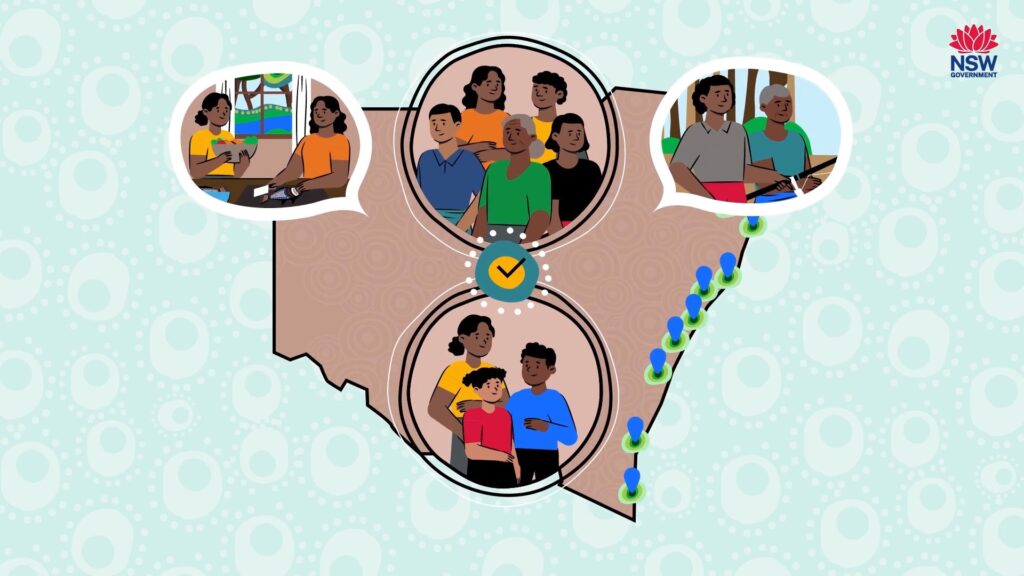
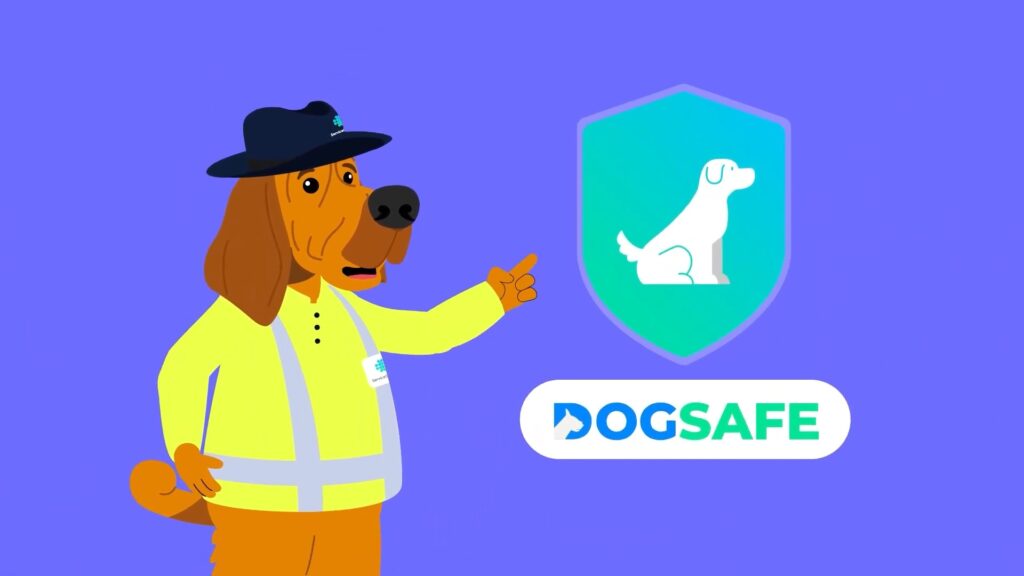
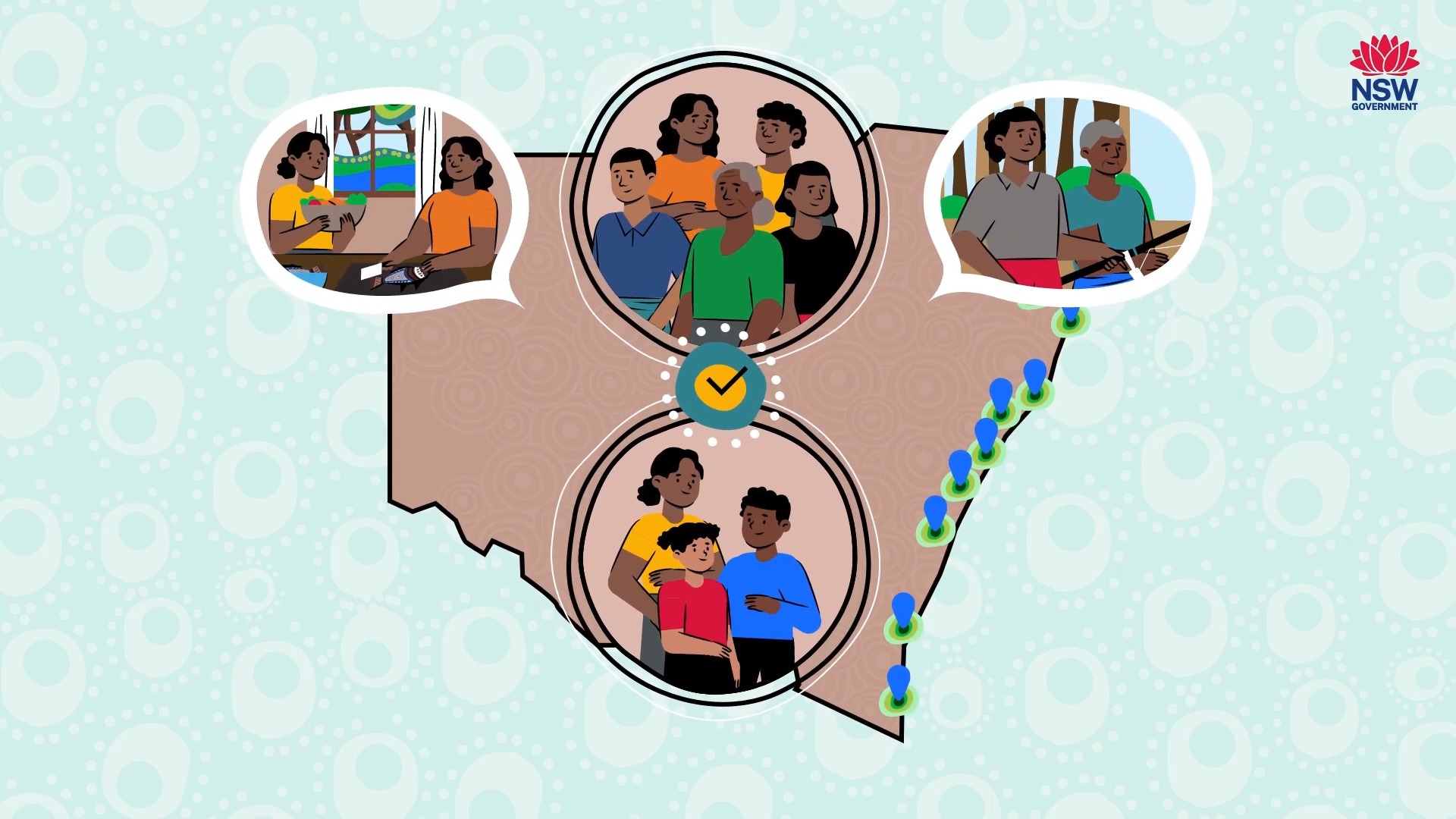
It doesn’t require the same level of reading comprehension as a written document. Visual information and narrative can communicate complex ideas clearly without relying on text. It can be narrated in community languages, with subtitles added for additional access. And animation in particular allows for visual representation of diverse communities without relying on photography or casting, which can introduce its own complications.
Video also travels. A well-made piece of community communication can be shared by community leaders, healthcare workers, social workers, and peers. It can reach people through informal networks that formal government channels don’t have access to.
What this looks like across different sectors
Government agencies working in health, housing, and justice regularly face the challenge of communicating complex eligibility and process information to audiences with varying levels of English literacy. We work with agencies in these sectors to develop animated content that explains programs clearly, represents communities authentically, and works across multiple language versions without requiring the asset to be rebuilt from scratch.
NFP and community sector organisations often need to address sensitive topics — mental health, family support, crisis services — in ways that are culturally safe and accessible. Animation allows these organisations to handle difficult subject matter with care, and to do so in a way that feels relevant rather than generic to the communities they serve.
Emergency services and public safety agencies face a different challenge: reaching potential recruits or communicating safety information to multicultural communities who may have limited familiarity with Australian institutions. Video allows these organisations to tell a human story that speaks directly to those audiences in a way that a poster or brochure simply cannot.
Key principles for community-focused video
Design for the audience, not the organisation. The instinct in many government communications is to lead with the program or the agency. Effective community communication leads with the person, their situation, and what the information means for them.
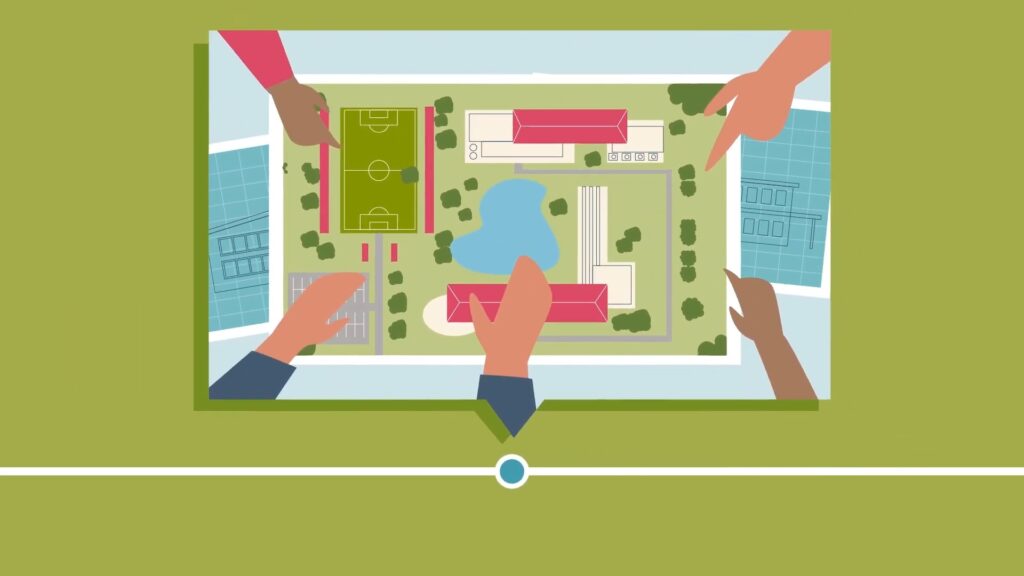
Involve the community early. The most effective campaigns we’ve worked on have involved community consultation before the script was written, not after the video was produced. This catches cultural assumptions, representation issues, and tone problems before they’re baked into the final product.
Plan for multilingual delivery from the start. If the video will need to be delivered in multiple languages, this should be a production consideration from the beginning, not an afterthought. Building in the right pacing, avoiding text-heavy graphics, and planning for voiceover from the outset makes adaptation far more efficient.
Don’t assume digital access. Some hard-to-reach communities have lower rates of smartphone or internet access. Consider how the video will be used in community settings, health clinics, schools, and face-to-face services, not just online.
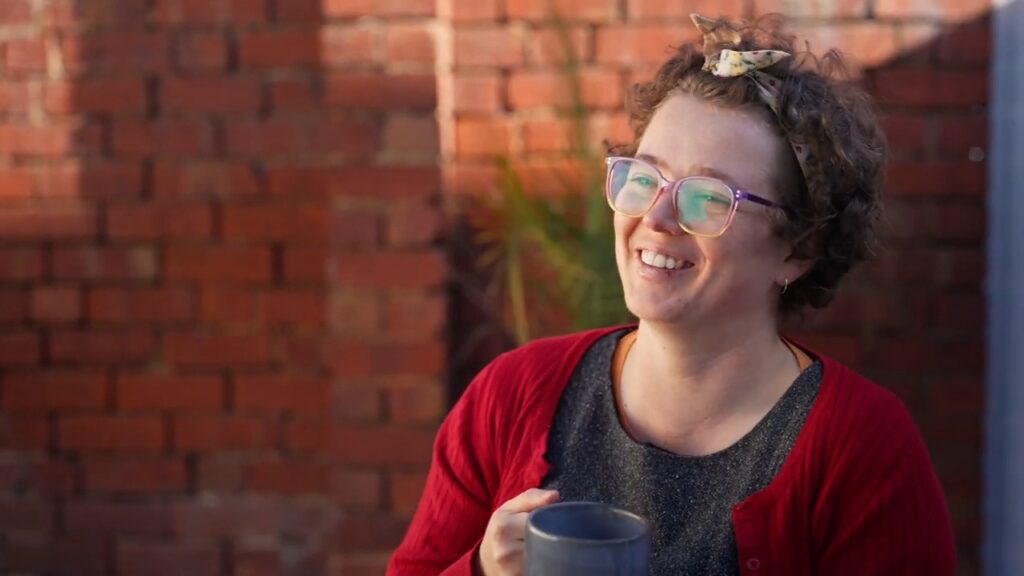
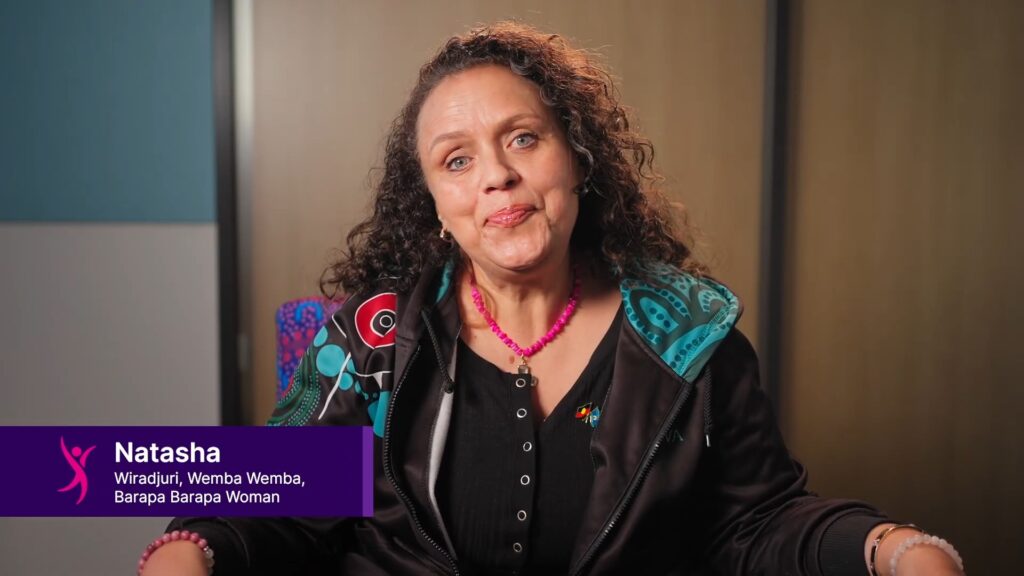
Use live action when human connection matters most. Animation is often the right choice for explaining processes or handling sensitive topics. But when the goal is to build trust and show authentic human experience, live action featuring real community members can be more powerful.
The broader communication picture
Video rarely works in isolation. The most effective community communication campaigns use video as the central asset in a broader approach that includes supporting infographics, social assets, and community-level distribution strategies. The goal is to ensure that wherever a community member encounters the information, it’s in a format they can access and act on.
If you’re working on a campaign aimed at multicultural or hard-to-reach communities and want to talk through what approach would work best, get in touch with our team, or browse our work to see how we’ve tackled similar challenges.