When VMIAC (Victoria’s peak body for people living with mental illness) came to us, they had a clear and urgent challenge: NDIS participants with psychosocial disability were experiencing poor quality support, but weren’t making complaints. Not because nothing was wrong, but because the system felt too intimidating, too unclear, and too risky to navigate.
Their goal was to change that. And they knew video could help.
The Brief
VMIAC wanted to empower NDIS participants to understand their rights, feel confident raising concerns, and know exactly what to do when something goes wrong with a provider.
But this wasn’t just a policy explainer job. It required building trust with an audience that had already experienced being dismissed, ignored, or gaslit when they tried to speak up. They needed content that felt human: not clinical, not corporate, not condescending.
The solution was a suite of four videos: three live-action pieces featuring real participants sharing their experiences, and one animated explainer walking viewers through the complaints process step by step.
The Challenge
The most powerful thing VMIAC had wasn’t a script. It was their community.
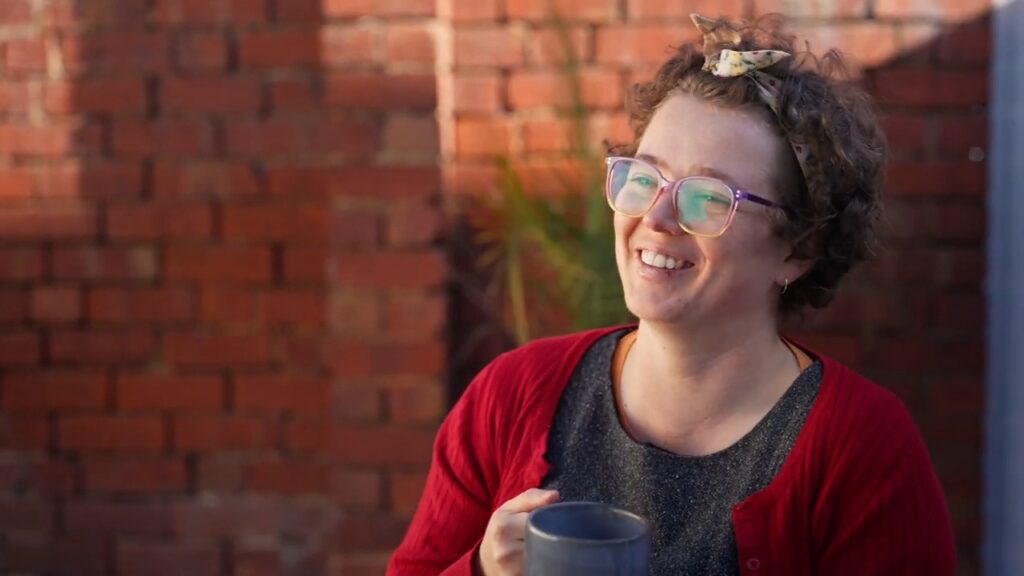
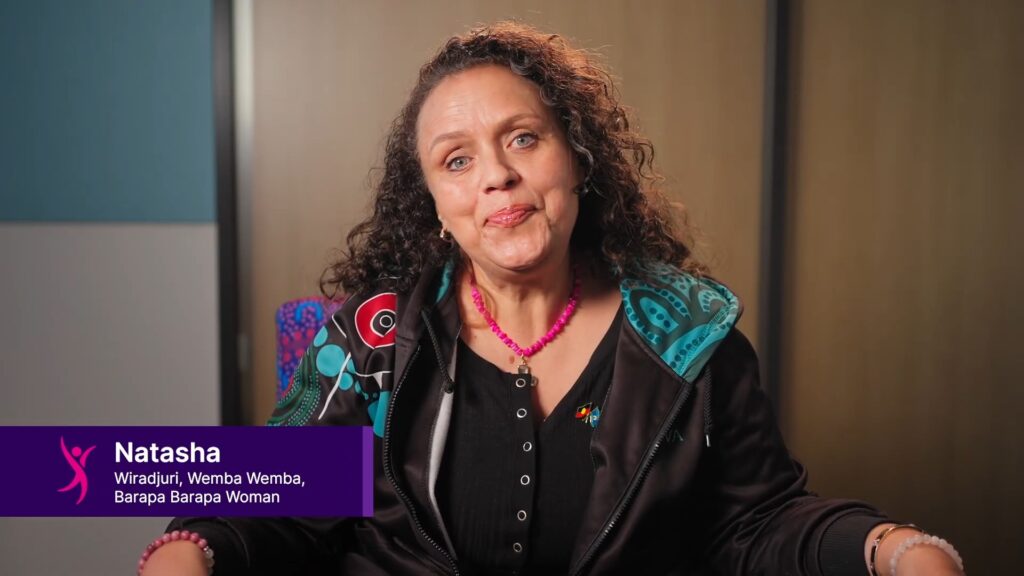
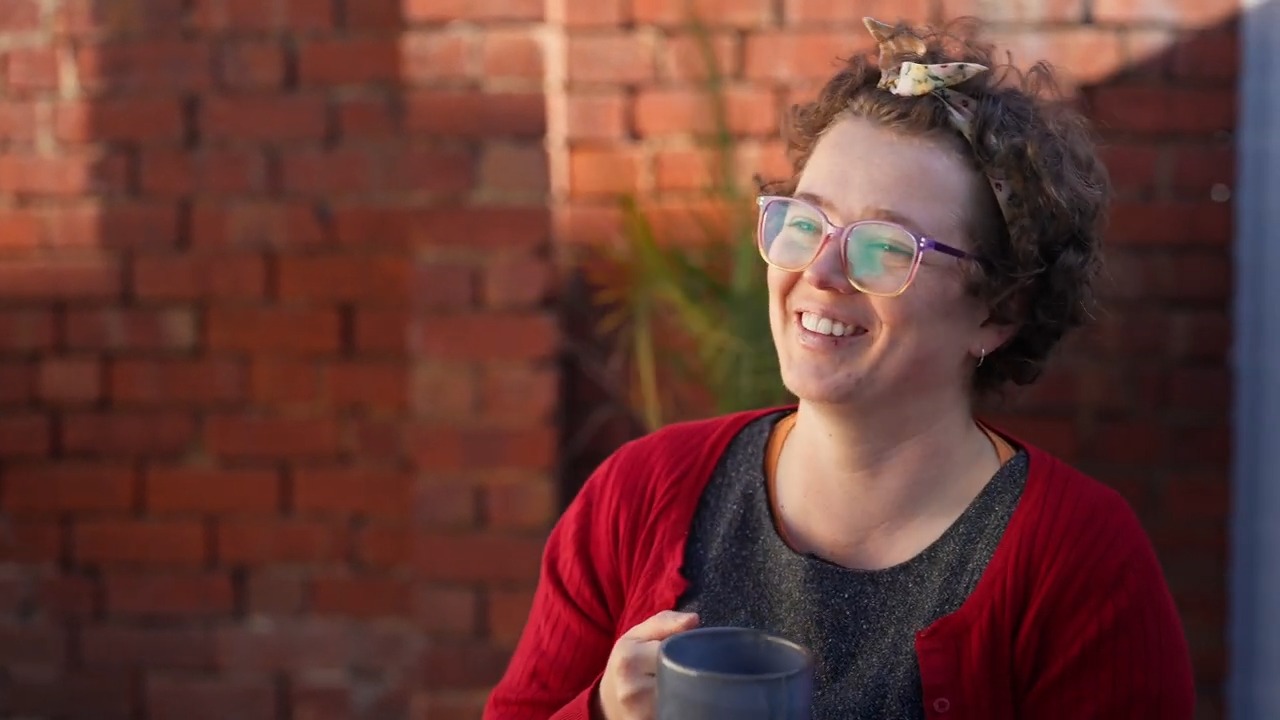
Caitlin, one of the participants who agreed to share her story on camera, described trying to make a complaint about a support worker who had shared information she’d shared in confidence. When she raised it, the provider’s staff (who were friends with the worker in question) dismissed her concerns entirely and told her she must have imagined it.
“I just kind of got them trying to push it under the rug as if it never even occurred,” she told us.
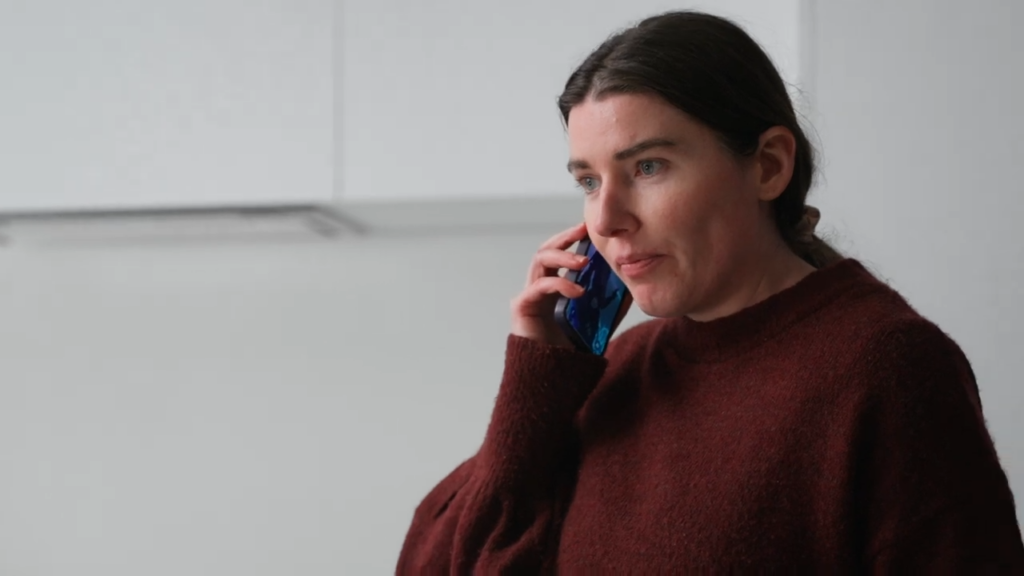
Sarah described a different but equally common experience: a support worker who spent most of a shift on her phone, and the difficulty of knowing how to raise that without it turning into a conflict. She talked about wanting a safe, impartial person to help her work through what she was feeling, someone who would just hear her out without making her feel like it was her fault.
These were the stories VMIAC needed on screen. Real, relatable, and deeply validating for anyone who’d been in a similar situation.
The Approach
We structured the suite of videos around the participant journey, meeting them where the anxiety points actually were.
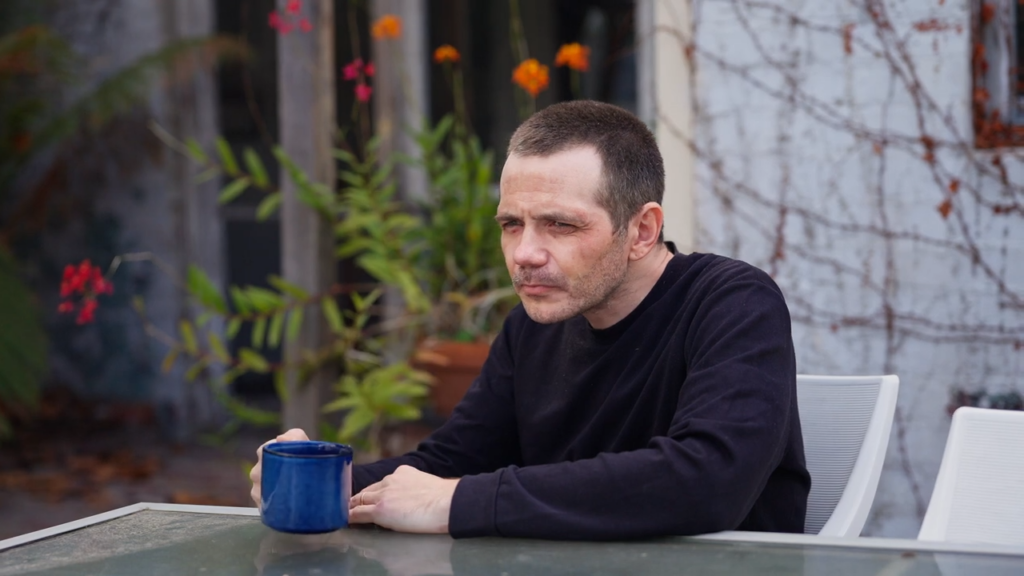
Film 1: Barriers to Complaints explored why participants don’t speak up in the first place: fear of repercussions, not knowing where to go, not being believed. Having Caitlin name those feelings directly was important. It signals to viewers: we know this is hard, and you’re not alone in finding it hard.
Film 2: When a Complaint Is Handled Well flipped the lens to show what a positive response actually looks like. Not a formal policy statement, but a human one: acknowledgment, follow-up, and working together toward a resolution. Sarah’s insight that providers should be proactive in asking how things are going, rather than waiting for participants to find the courage to come forward, became a central theme here.
Film 3: Best Practice Quality Service brought together voices from across the VMIAC community to describe what genuinely good support looks like: flexible, individualised, respectful of the fact that every participant is different, even if they share a diagnosis. As Caitlin put it plainly: “We’re all different people and we’re all going to respond differently to different approaches.”
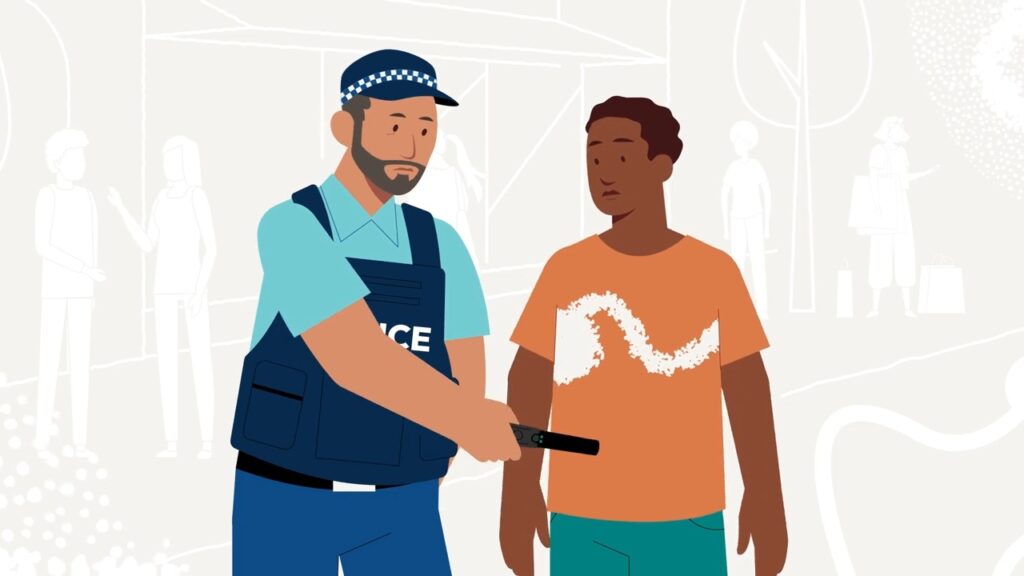
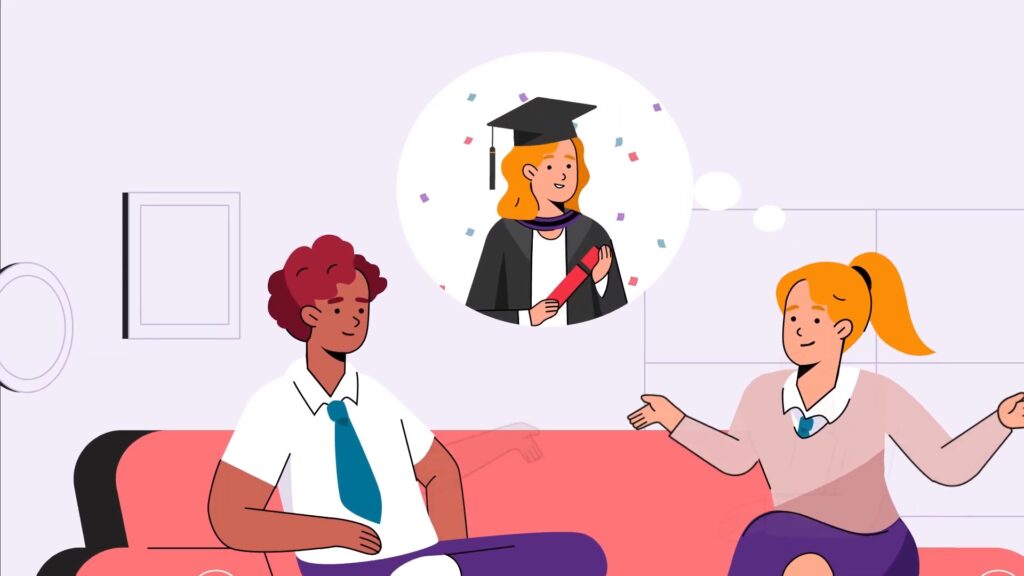
The Animation: How to Report an Issue gave us a different kind of job to do. The complaints process involves registered vs unregistered providers, the NDIS Quality and Safeguards Commission, internal complaints systems, and multiple pathways depending on the situation. That’s a lot of information to hold in your head, and it can be enough to stop someone from taking action at all.
Animation let us strip that complexity back to its essentials: clear steps, plain language, no jargon, in a format that people could pause, rewind, and come back to. It sits alongside the live-action films as a practical companion: here’s why you should speak up, and here’s exactly how to do it.
Why Live Action and Animation Together
This project is a good example of why we rarely recommend one format over the other in isolation when it comes to changing behaviour around sensitive topics.
Live action built the emotional foundation. Hearing participants describe the anxiety felt before lodging a complaint, and the quiet determination that pushed them forward anyway, is something no voiceover or illustration can fully replicate.
Real people, real stories, real faces. That’s what builds trust with an audience who may have been burned before.
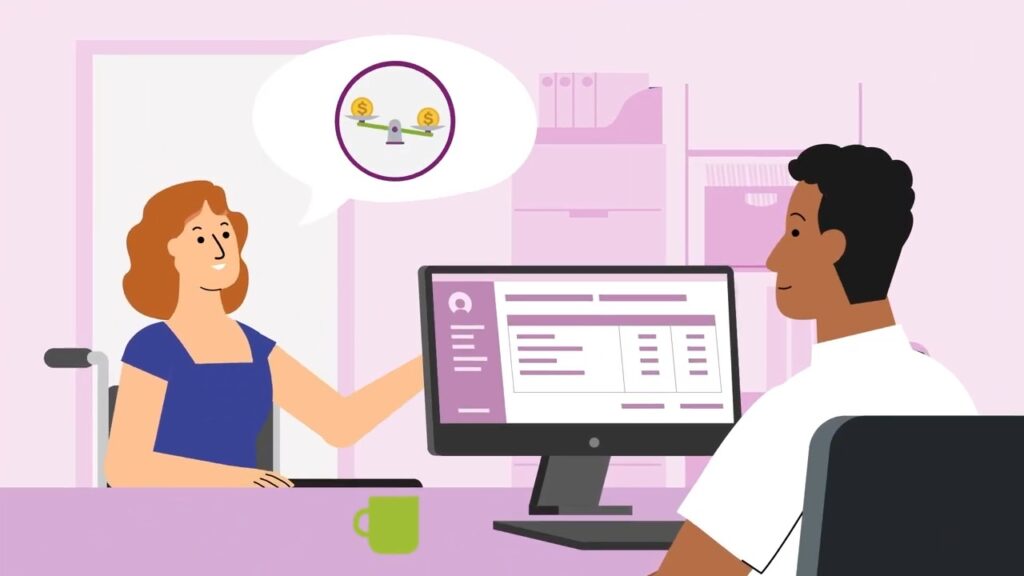
Animation handled the information architecture. The complaints process is navigable once you understand it, but it involves external bodies, regulatory differences, and procedural steps that are genuinely hard to convey through talking heads alone.
Animation gave us control over pacing, sequencing, and emphasis, so the message landed clearly and in the right order.
Together, they cover the full journey from “I don’t know if I should say something” to “here’s what I’ll do next.”
The Result
VMIAC’s video suite is now in use across their website, social channels, and live and online events, reaching NDIS participants across Victoria and beyond.
Projects like this are exactly why we do the work we do. When the goal is helping people feel safe enough to use their voice, getting it right isn’t just a production challenge. It’s a responsibility.
Next Steps
Got a complex or community issue that needs video to do some real heavy lifting?
Whether you’re working with sensitive subject matter, a hard-to-reach audience, or a message that actually matters, we’d love to help you figure it out.
Drop us a line and let’s chat about what you’re working on.